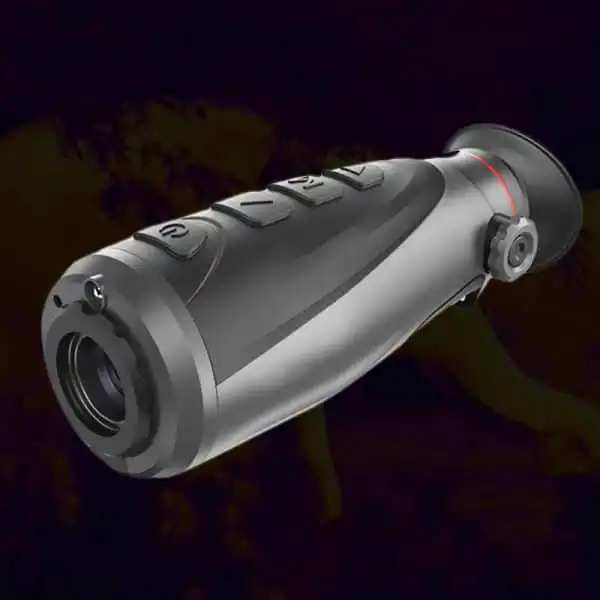
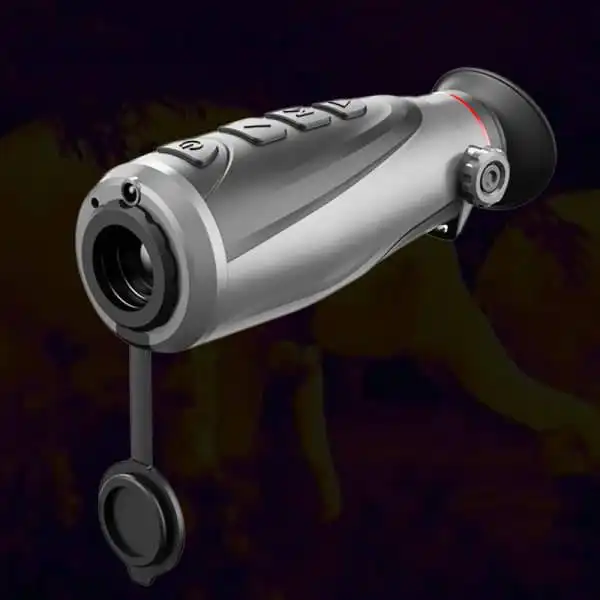
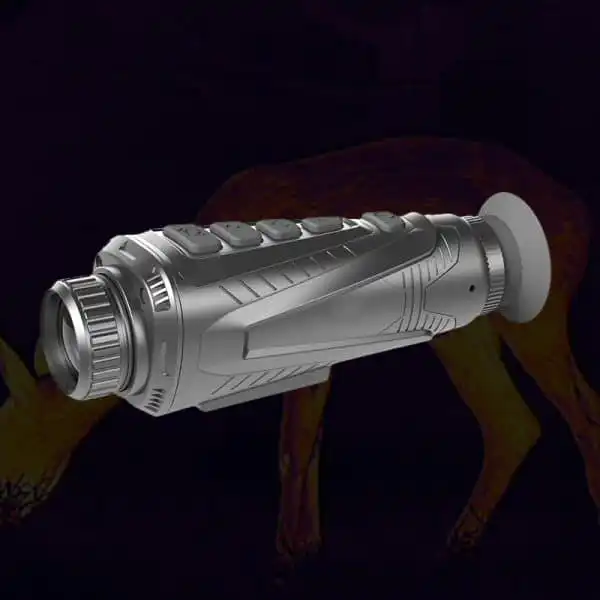
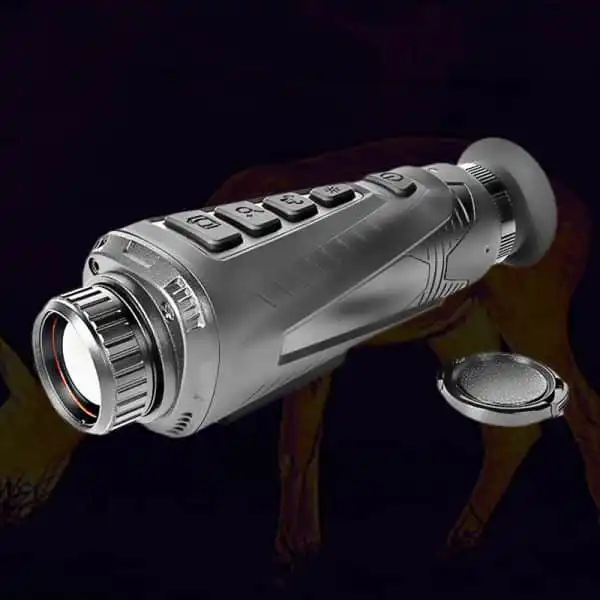
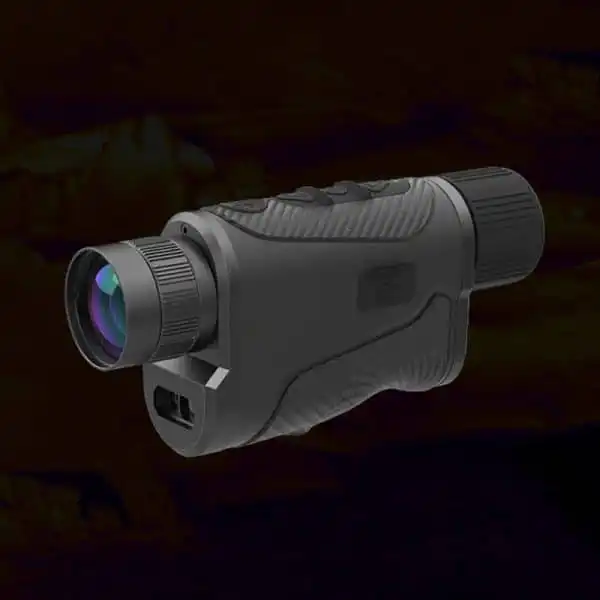
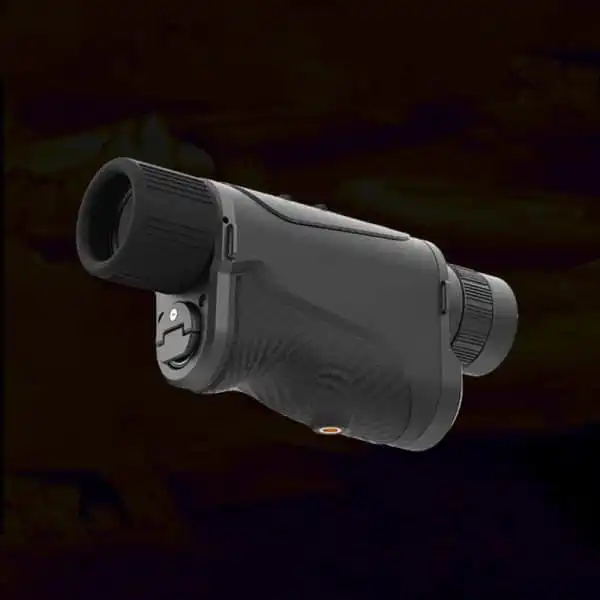
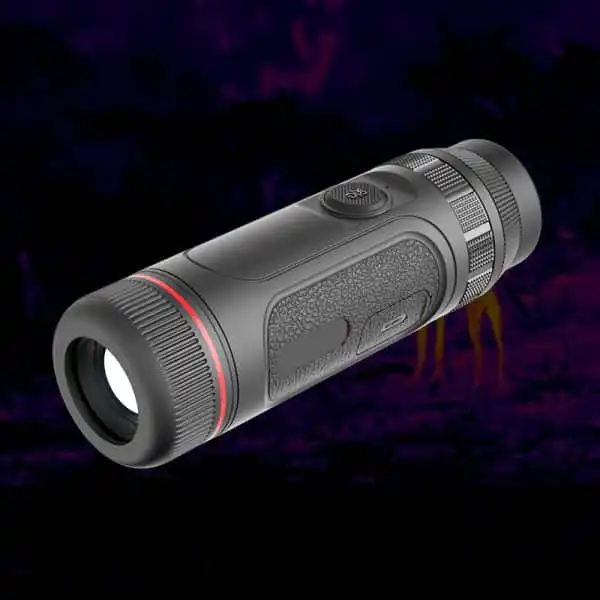
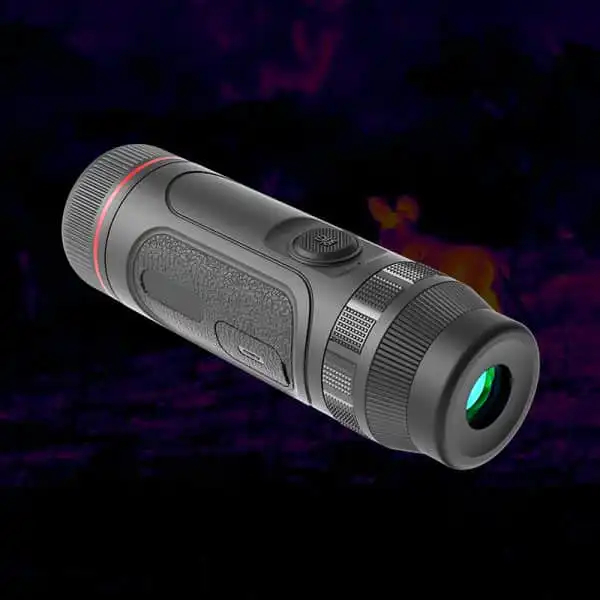
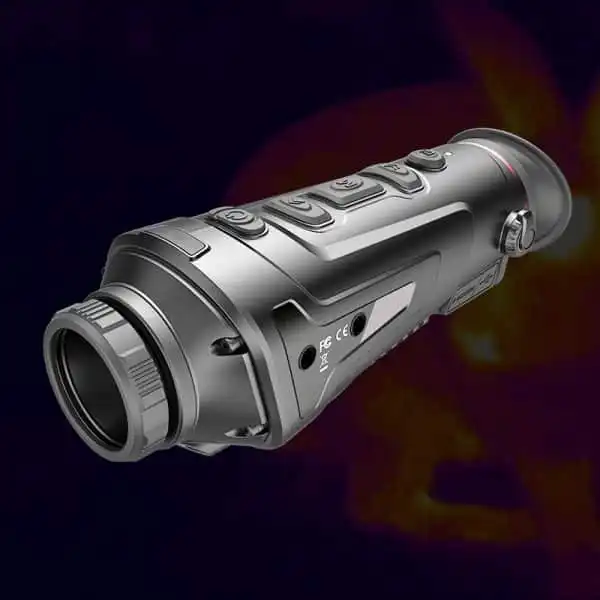
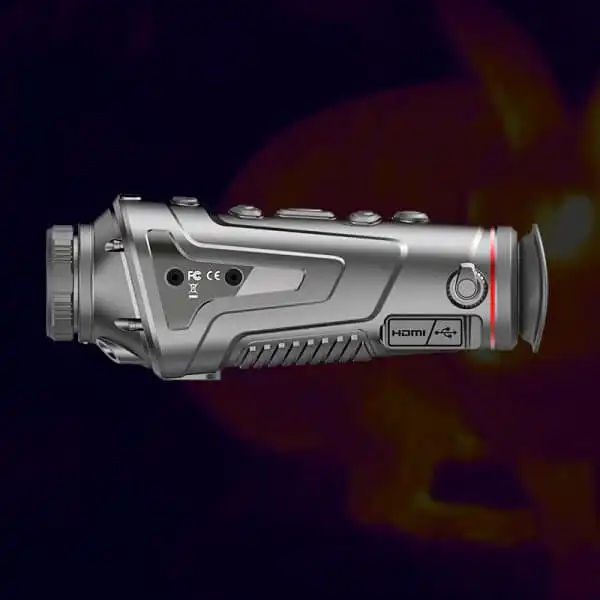
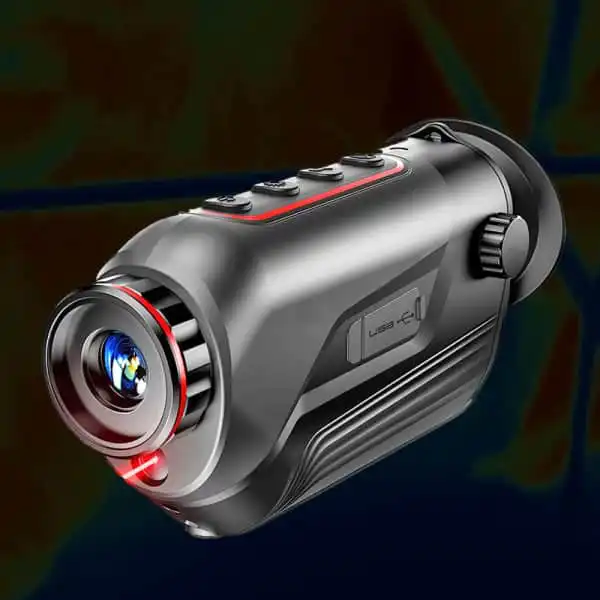
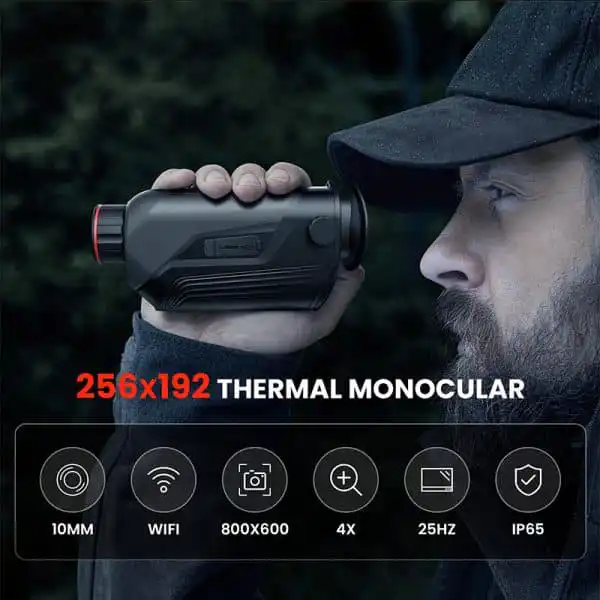
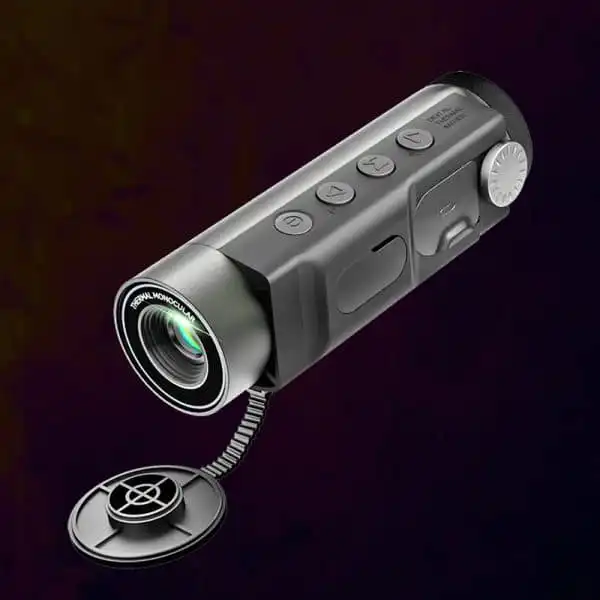
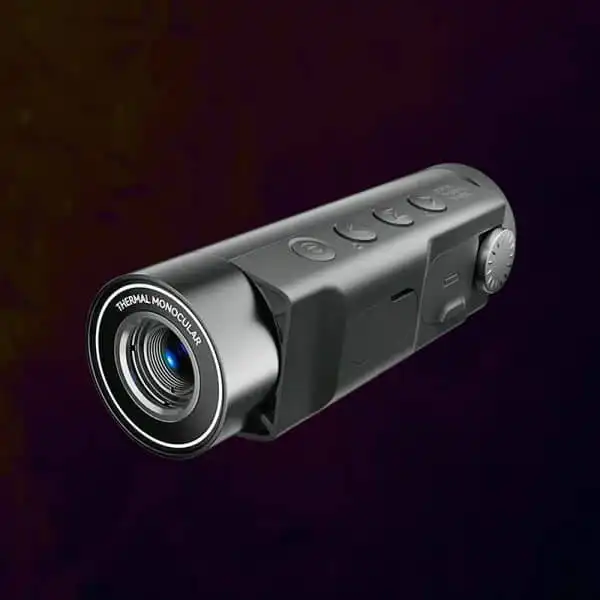
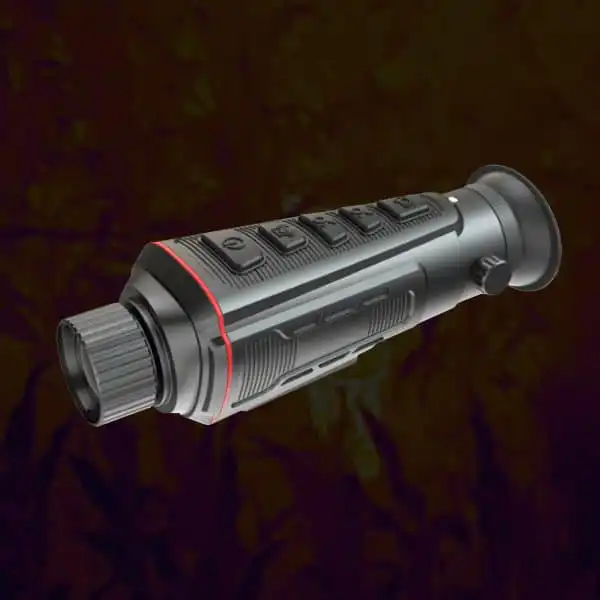
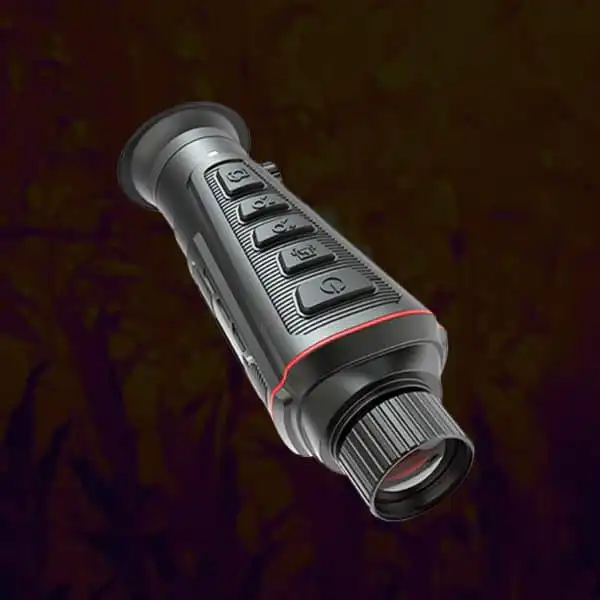
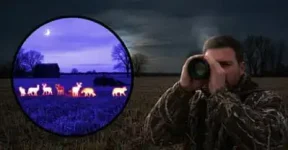
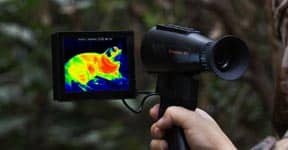
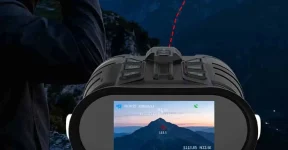
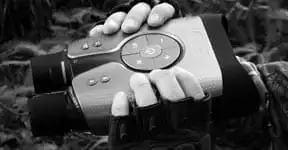
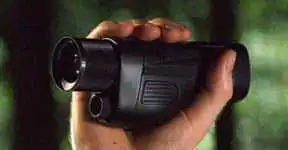
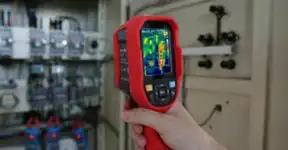
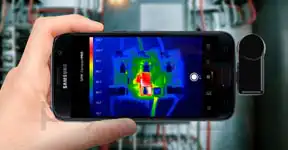
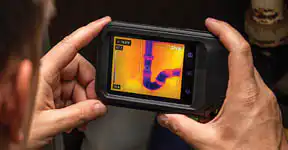
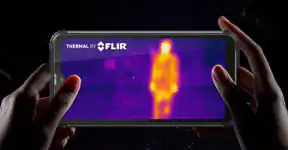
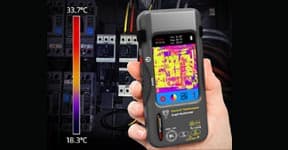
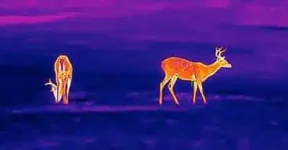
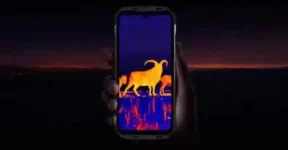
Binoculars thermal night vision buyers considering ground birds should ask how much of the bird is actually exposed above the grass. A detected patch is not a complete bird outline, and a clear patch does not establish that nearby concealed birds are absent. Compare original scene evidence and target conditions without approaching nests or treating the image as clearance for land work.
Binoculars Thermal Night Vision Claims Need an Exposed Feature
A low bird beside vegetation presents a different viewing problem from a large upright target on bare ground. A manufacturer range claim may describe the latter. For ground-level observation, specify whether the visible feature is a head, a partial body or a moving patch between stems. Keep that feature separate from a presumed full-body size.
The examples in ground-level bird observation make the exposed feature the starting point. Combine bird discovery and confirmation with the bird-viewing limitations when writing the brief: a head above grass and a complete visible bird are different tasks. Observe from an appropriate permitted position without altering vegetation or approaching nests to make the demonstration easier.
Grass Changes the Available Evidence
Foreground stems can hide a target intermittently as the observer or animal moves. A narrow opening may reveal contrast but not enough shape for identification. A more colorful palette does not reopen the blocked portions. Record whether the apparent outline is continuous or inferred across several disconnected patches.
The references on thermal imaging information and contrast and separable detail explain the signal and detail limits. Relate them to vegetation-edge uncertainty before comparing exposed-feature detail checks. Lens coverage, native sampling and focus influence what is exposed; none removes the foreground stems. Keep any separate optical confirmation identified rather than attributing natural feather markings to the thermal false-color view.
| Observation | Evidence to keep | What it supports |
|---|
| Exposed feature | Visible portion and distance | A task smaller than the nominal bird |
| Obstruction | Stems and disconnected patches | A line-of-sight limit |
| Range evidence | Target, criterion and conditions | A comparable claim only when matched |
| No visible activity | Coverage and alternative explanations | No claim that the area is empty |
Request a Range Claim With Its Target Still Attached
Ask what target dimensions, orientation, background and weather were used for any advertised distance. Determine whether the outcome was detection of something present, recognition of a general class or confirmation of a specific feature. A ratio copied from another device is not a valid way to invent the bird’s identification range.
Attach questions about range evidence to the seller’s advertised distance. Keep detection and specification definitions explicit throughout the binocular specification review. The reference on field-of-view geometry explains geometric coverage without promising identification. If the original sample uses a larger target or a clearer background, retain it as contextual information and request evidence that addresses the bird-sized feature in the actual task.
Keep a Missing Bird Out of the Conclusion
A quiet image may mean the bird is absent, hidden, outside the crop or insufficiently separated from the background. The observer cannot select one explanation without further evidence. Record the visible area and any interruption, then stop at the supported finding. Avoid repeated close approaches that disturb the subject simply to make the image more convincing.
Carry the exposed-feature description into task-led binocular planning and compare binocular selection priorities against it. The bird-viewing workflow is useful when it preserves both discoveries and uncertainty. The preferred instrument should make ordinary exposed activity easier to inspect. Hidden birds remain unobserved, so the recommendation cannot replace direct confirmation, specialist surveys or established land-management checks.
A bird-observation brief can describe an exposed head above grass without assigning a species or a full body size. Keep the visible feature, approximate distance and foreground separately listed. If the original sequence shows several disconnected patches, resist turning them into a tidy count. Request ordinary optical confirmation only where it is appropriate and non-disturbing. A larger detector or different lens may improve sampling of what is exposed, but the seller still needs evidence for the particular claim. The useful result can be a clear statement that the available view is inadequate for identification. It should never be converted into proof that no bird or nest is present in the concealed area.
Ask the seller about the feature that is actually visible
A hypothetical ground-bird brief might describe a small head above foreground grass at an ordinary viewing distance. Ask what original sample addresses that feature and whether the background and exposed size are comparable. Useful detail could support a more careful next observation; a wider view could make an exposed crossing easier to retain. These are different benefits with different coverage trade-offs. Keep the chosen priority in the shortlist. If available samples cannot support identification, an honest limit is a better buying result than a species label inferred from a bright patch.
Compare the exposed feature, not a headline distance detached from its target. Keep the difficult foreground visible and leave concealed birds outside the claim.