Thermal Night Vision Binoculars Do Not Make the Platform Still
A boat can be moored yet continue to roll or move with passing wakes. A tightly framed shore subject may leave the image even when the observer tries to remain steady. Increasing digital zoom can make that movement more noticeable without creating additional captured detail. Begin with a broad native view that includes several fixed shore landmarks.
Keep stationary shore-viewing priorities separate from waterside equipment limitations. The examples in dockside movement interpretation help describe whether the whole scene moves or only the animal changes position. Ordinary access and vessel arrangements remain independent of the viewer. Use it only for the stationary observation task; retain normal lighting and established practice for moving around the platform.
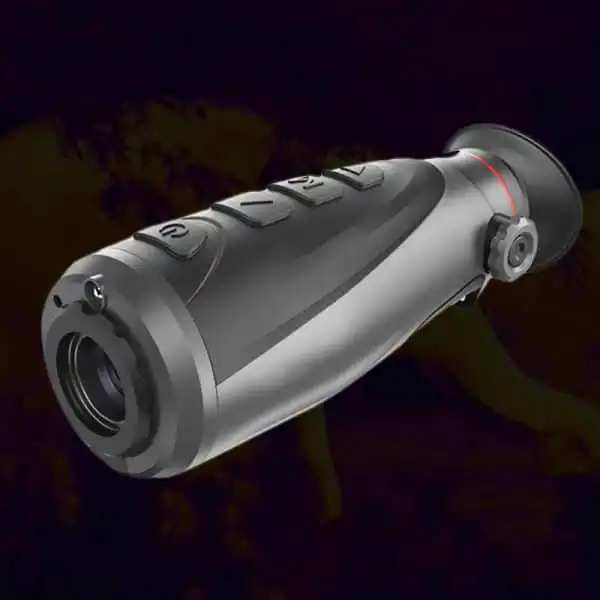
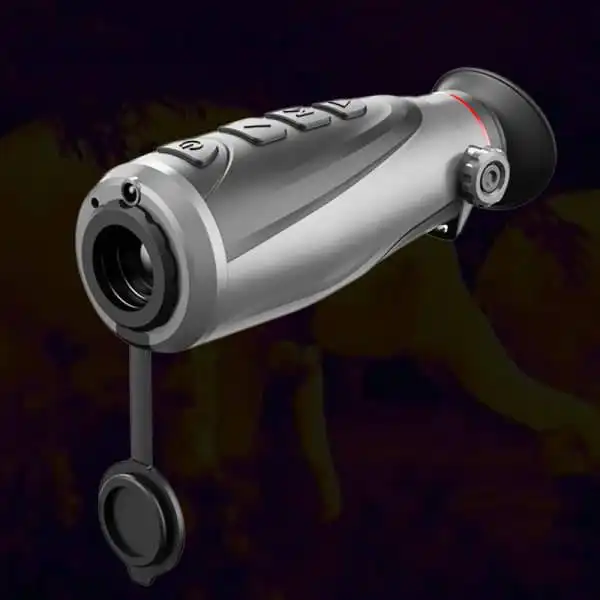
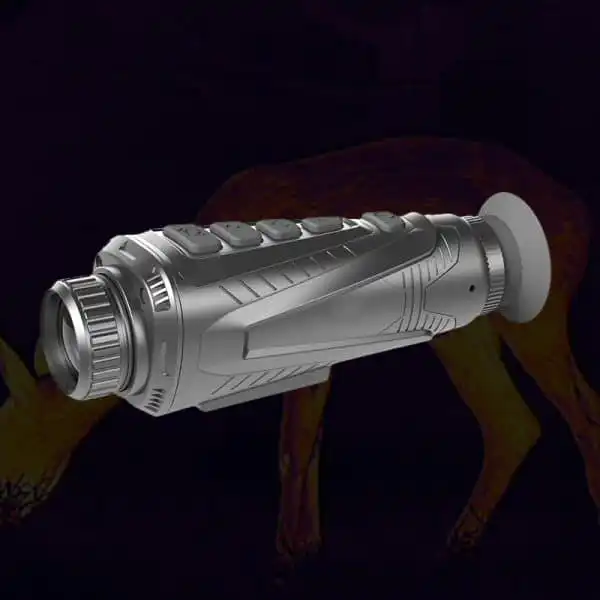
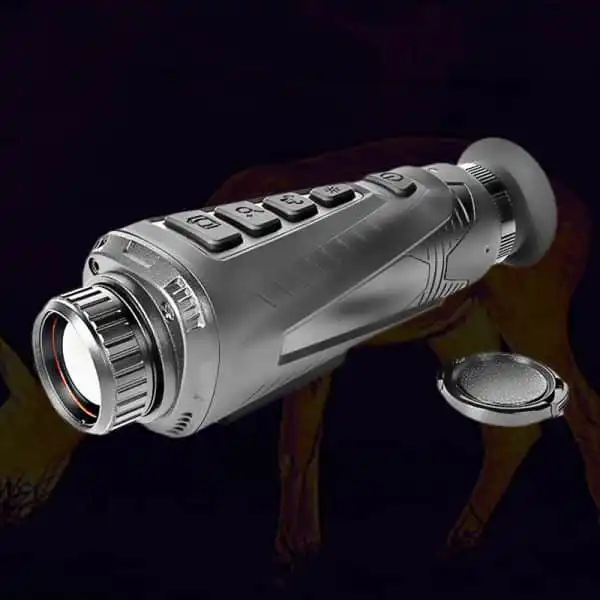
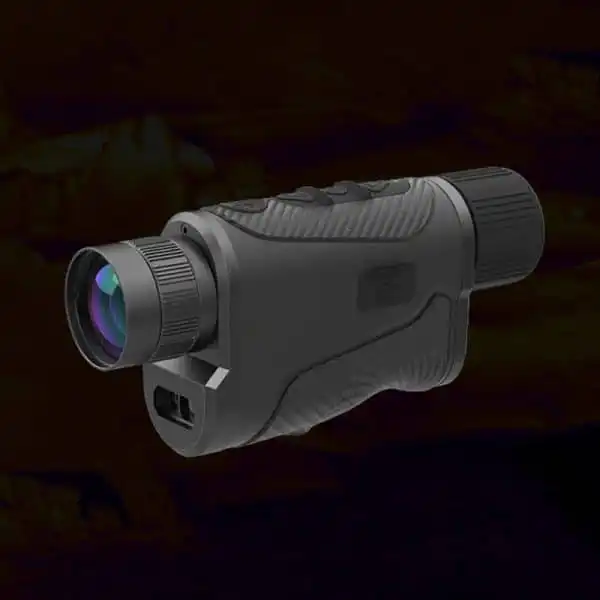
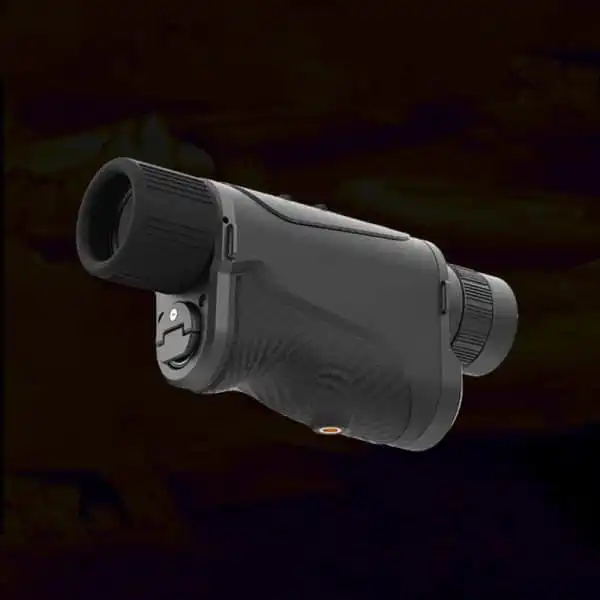
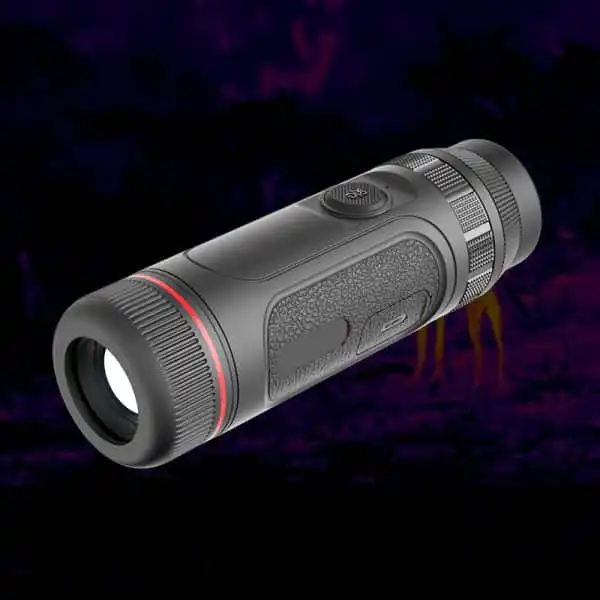
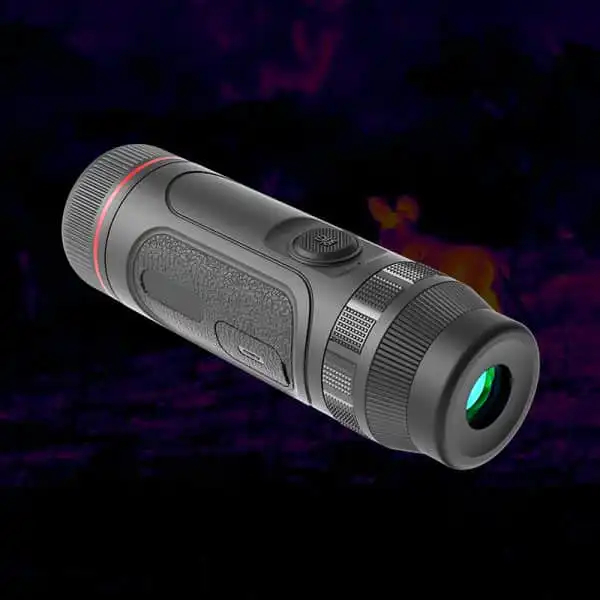
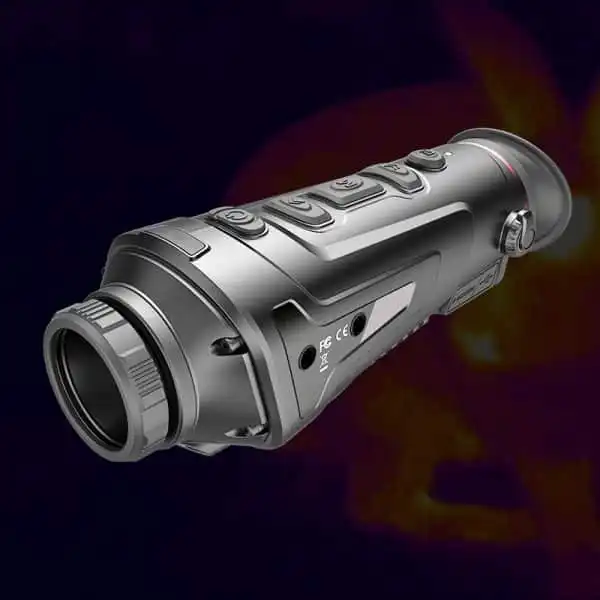
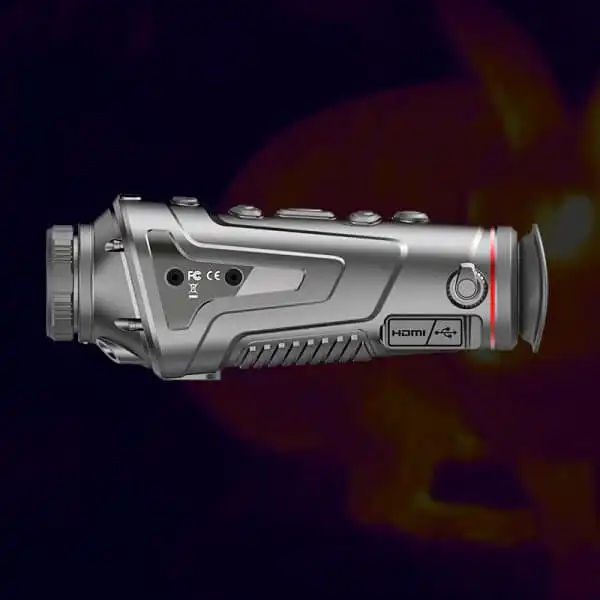
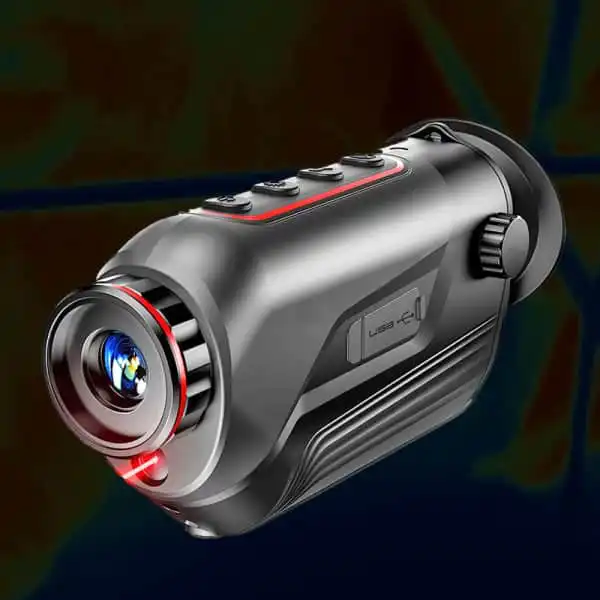
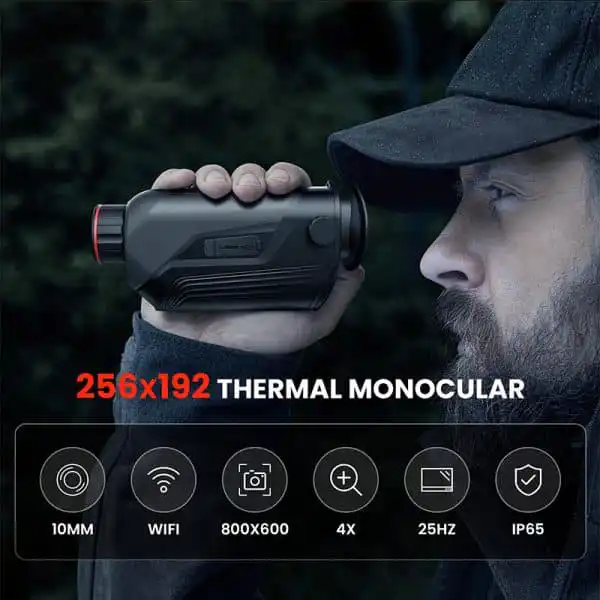
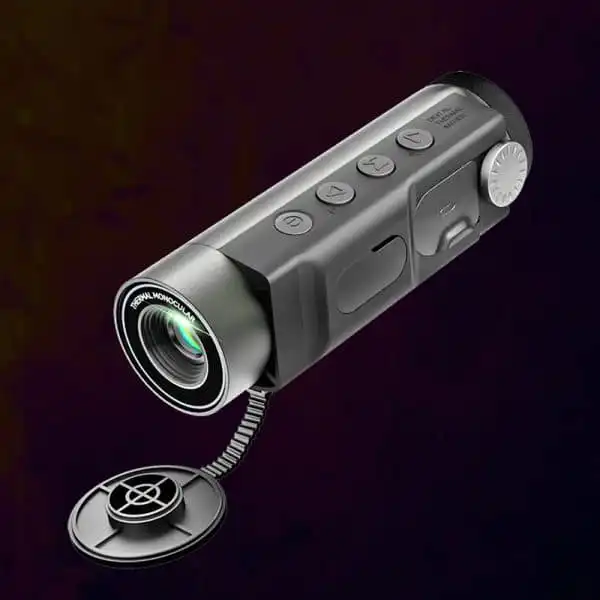
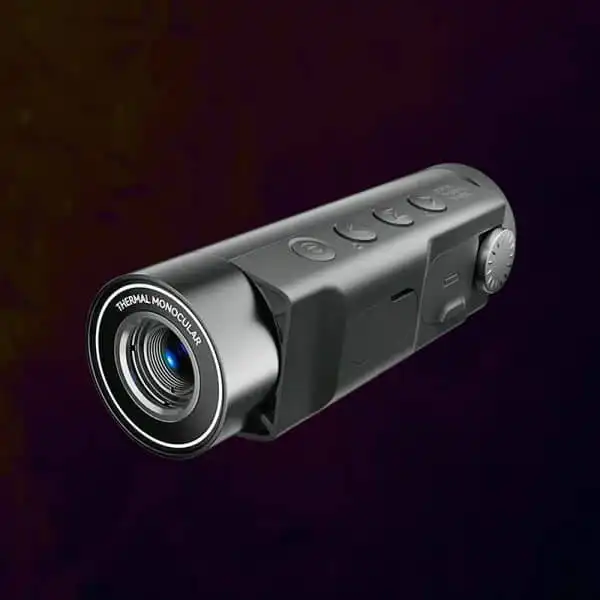
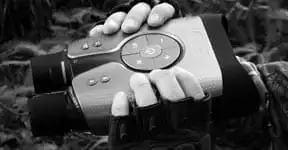
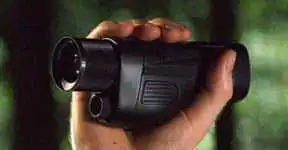
Thermal night vision binoculars viewed from a stationary boat still experience platform motion. Judge whether shore landmarks remain usable before attributing an unstable animal outline to the imaging system. Confirm the manufacturer's exposure and support limits, especially around salt water. This article concerns ordinary stationary wildlife observation only, not navigation, collision avoidance or viewing while operating a vessel.
| Observation | Evidence to keep | What it supports |
|---|
| Platform motion | Whole shoreline movement and wake context | A contributor separate from detector performance |
| Subject motion | Movement against retained land features | A bounded activity observation |
| Exposure | Manufacturer guidance on salt, covers and cleaning | Documented use conditions |
| Failed view | Why context could not be retained | A reason to defer the comparison |
A General Outdoor Rating Is Not a Marine Guarantee
Salt spray, connectors left open and repeated wet handling raise questions beyond ordinary rain resistance. Ask which environmental conditions the exact manufacturer permits and how cleaning and drying should be performed. Do not expose a demonstration unit to salt water to test an unsupported assumption. A seller should provide instructions, not rely on an attractive outdoor photograph.
Check enclosure protection categories against the exact manufacturer’s instructions before drawing conclusions from moisture-care considerations. The waterside exposure boundaries should state whether salt exposure or connected wet use is permitted. When comparing equipment build-quality trade-offs, keep that documentation with the optical specifications. A general ingress classification cannot by itself establish corrosion resistance or marine suitability.
Observe the Landmarks Before Evaluating the Animal
If the entire shoreline shifts together, platform or instrument movement is a plausible contributor. If a subject changes position against stable landmarks, it supplies different evidence. A mixture of both needs a more cautious description. Preserve a sequence rather than selecting a single sharp frame and treating it as the normal experience.
The reference on field coverage and magnification geometry explains why a tight view magnifies apparent displacement. Retain movement recording evidence with display update distinctions, and identify saved-video cadence separately. Several land features moving together suggest a platform or instrument contribution, whereas an animal moving against stable features provides different evidence. Neither case establishes a stabilization specification without documentation.
Choose a Modest, Reviewable Observation Task
A useful session might retain the location and direction of an exposed shore animal while keeping enough land in view to understand the movement. The task should not depend on fine identification from a constantly shifting crop. If the platform prevents meaningful observation, defer the comparison or use an ordinary permitted land viewpoint instead of escalating the product promise.
Take binocular buyer priorities and questions about comparable samples to the seller after describing the actual platform. Confirm approved support arrangements for that location rather than transferring a shore setup by assumption. A useful demonstration retains enough land context to interpret exposed activity. When the platform prevents that, a permitted land viewpoint gives a better basis for the buying decision.
A platform note can distinguish no passing wake, a visible wake and a period when the observer could not retain the shore reference. Keep those descriptions alongside the original file. Do not calculate stabilization performance from them or compare two clips as equal if one was taken from land. If the task repeatedly loses context, a permitted land viewpoint may answer the wildlife question more effectively than another digital zoom step. Equipment choice cannot remove every limitation of the platform. The buyer should retain the reason a sequence was unusable, ask for the exact environmental instructions and avoid assuming that a general outdoor sample represents a marine-connected configuration.
Keep the shortlist tied to a usable shore reference
Describe a shoreline feature that should remain in the native view while an exposed animal changes position nearby. Ask for a comparable original with platform conditions disclosed. A wider usable view can help preserve that reference, with the trade-off of fewer original samples on a small distant feature for a fixed detector array. A tighter view might serve another task better. Decide which compromise matches this observation before comparing accessories. Any salt exposure, connected operation or stabilization claim still needs separate exact-product documentation.
Evaluate the platform and environmental limits before comparing a tight animal crop. A clear reason to defer a difficult view is more useful than an unsupported stabilization or marine-use promise.