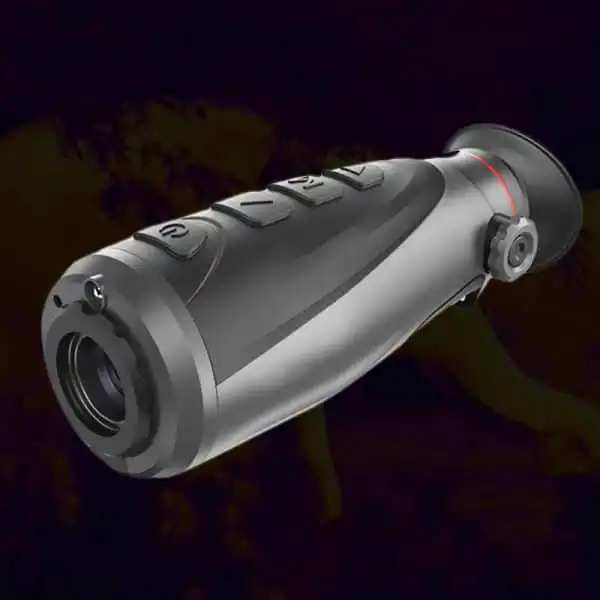
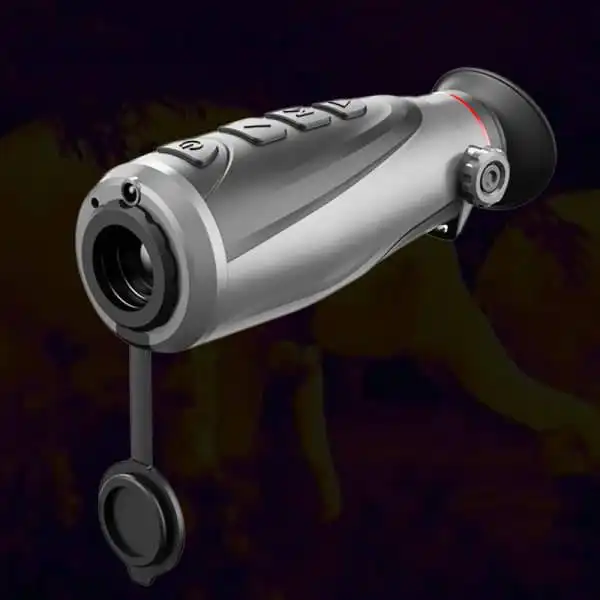
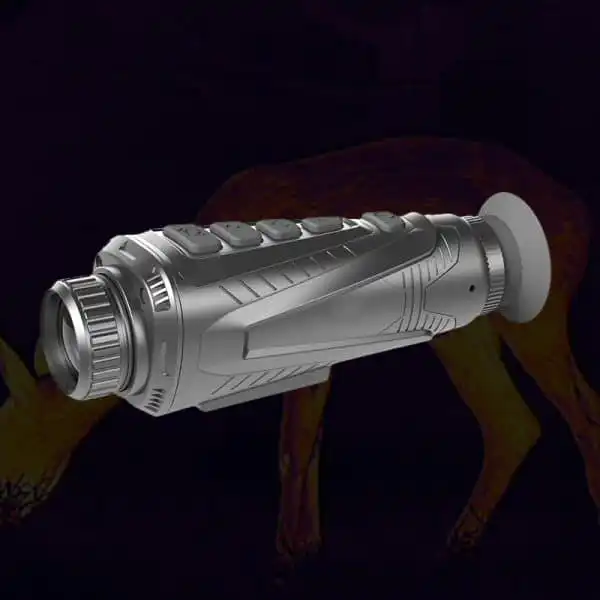
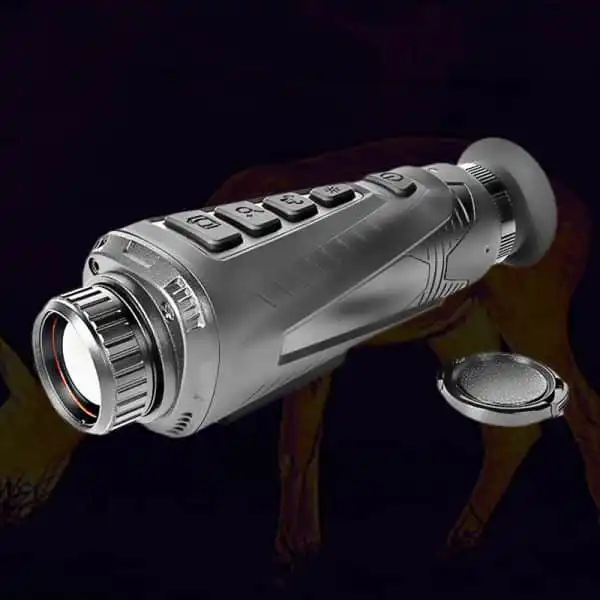
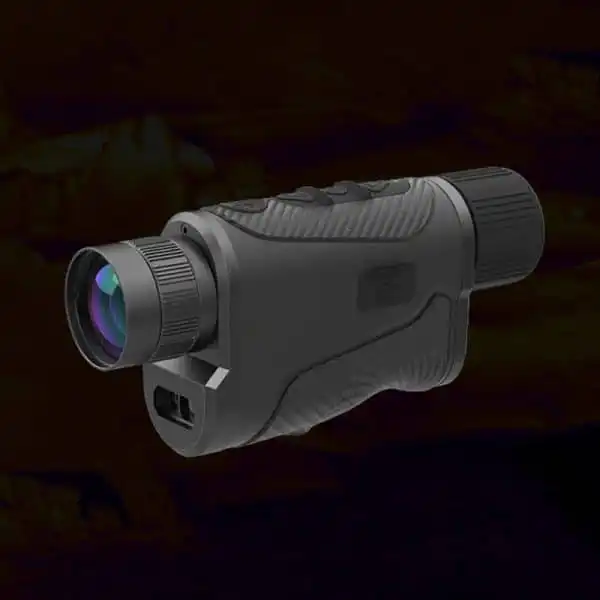
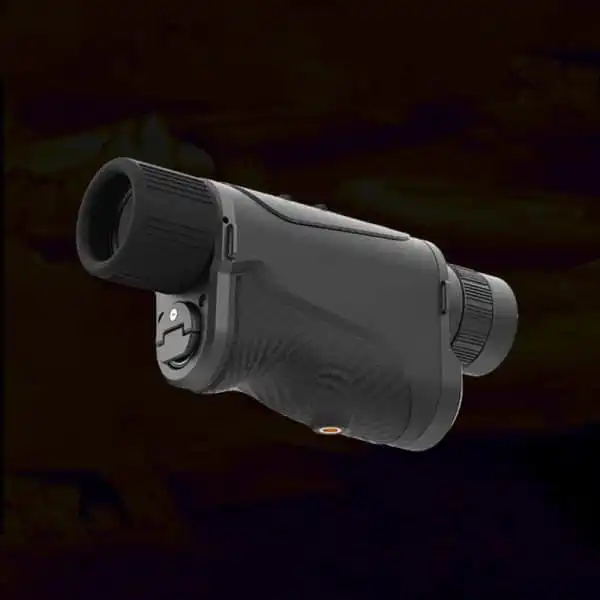
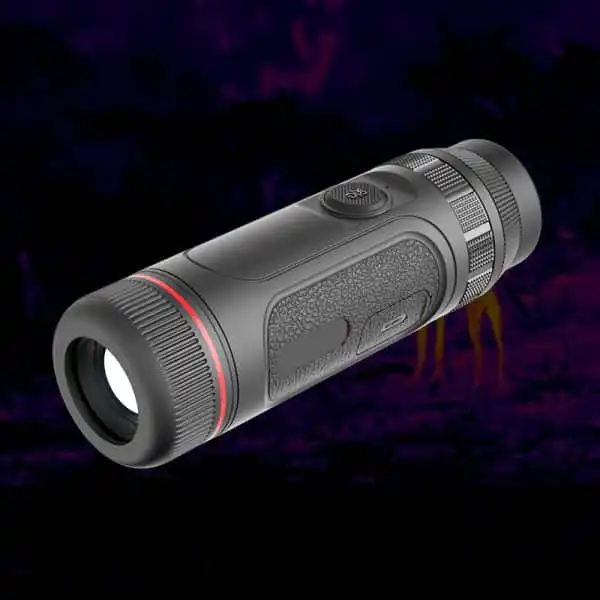
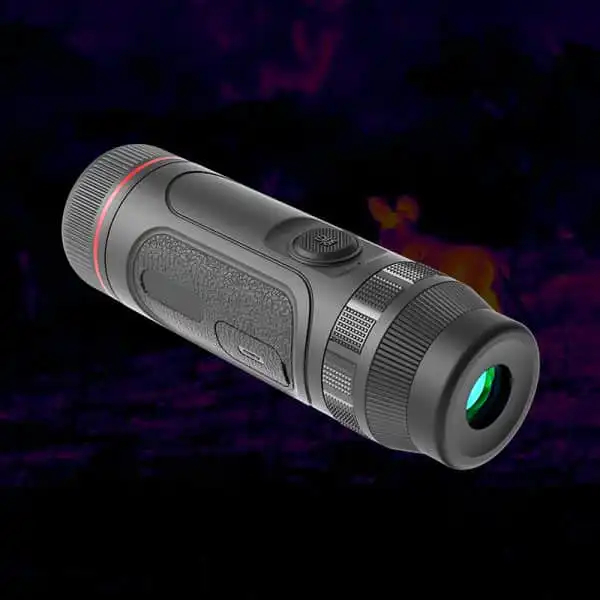
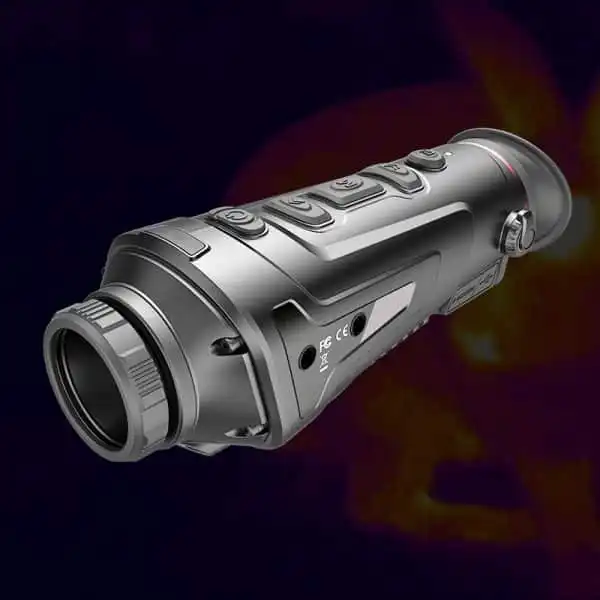
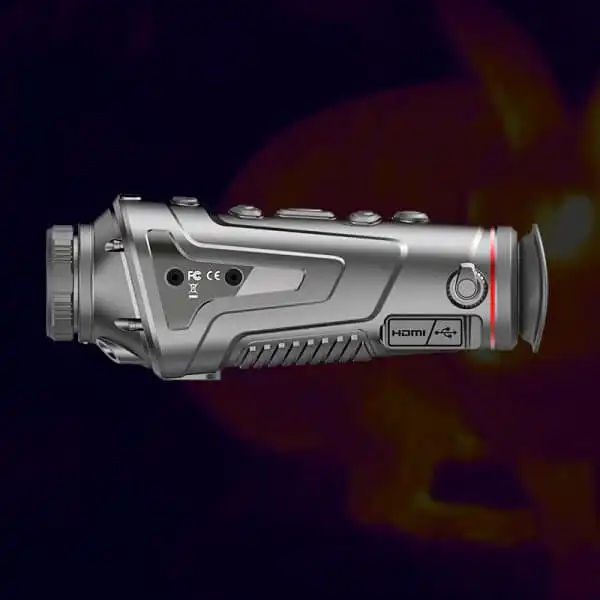
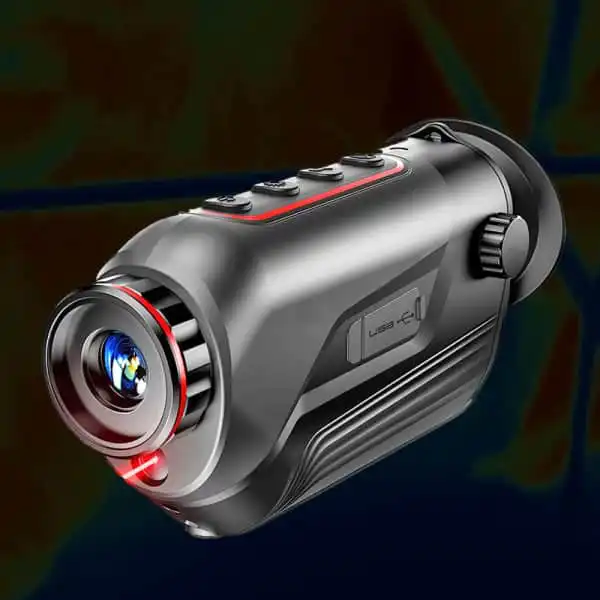
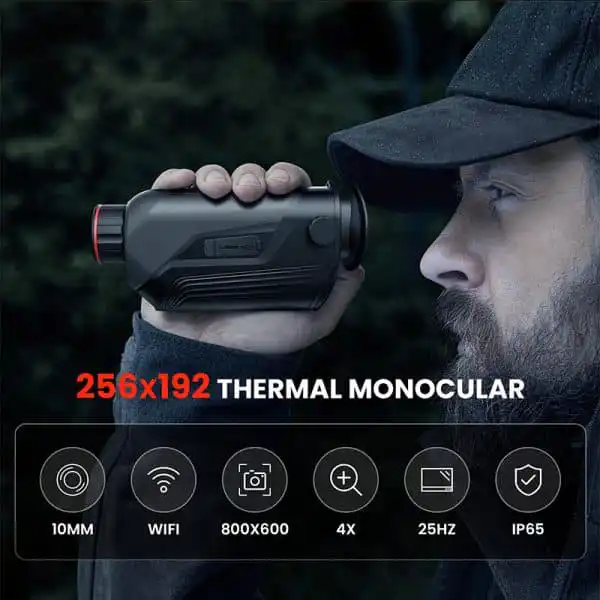
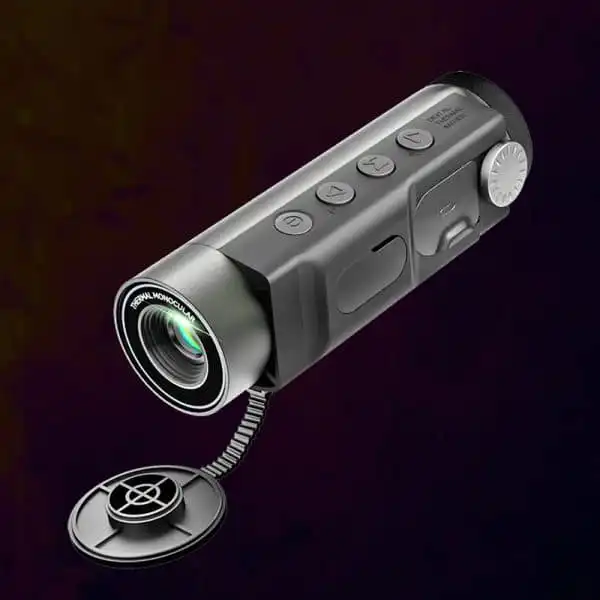
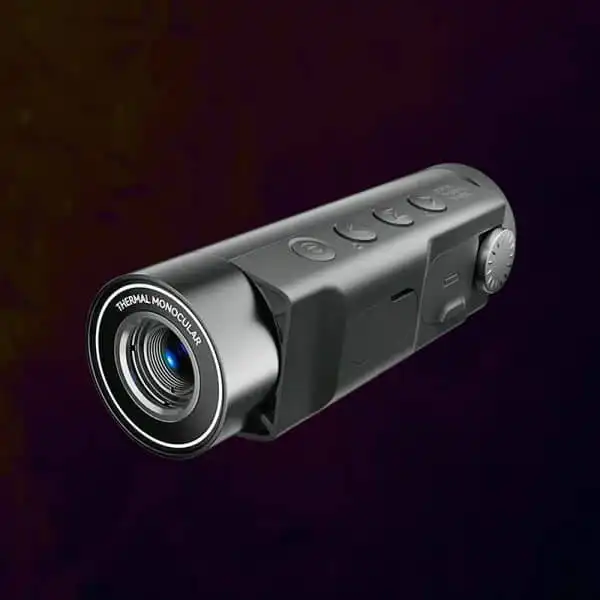
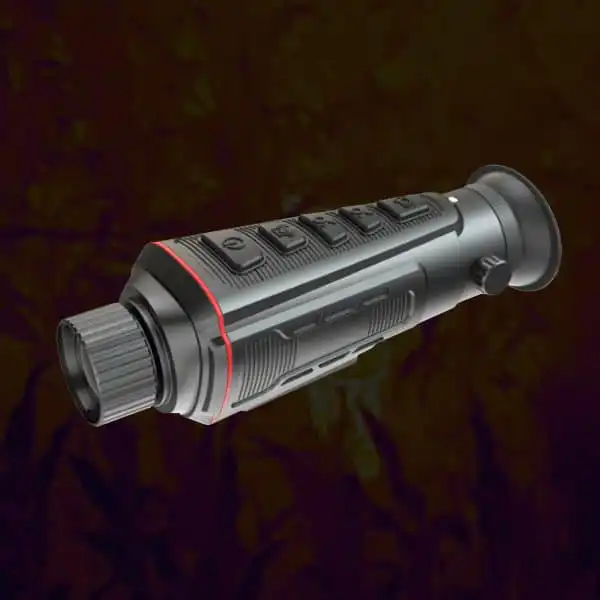
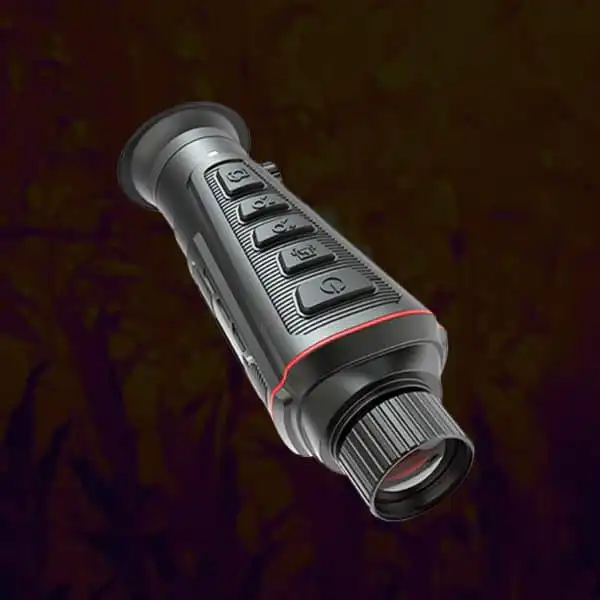
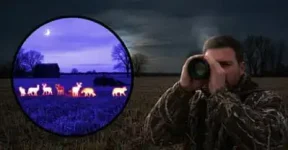
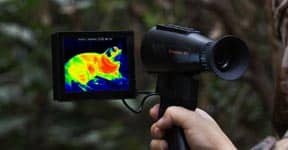
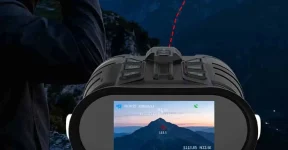
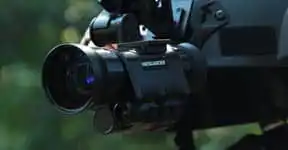
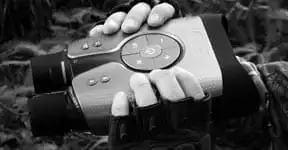
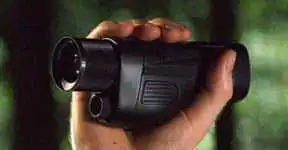
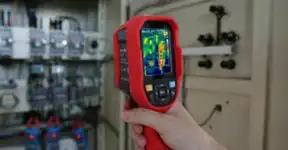
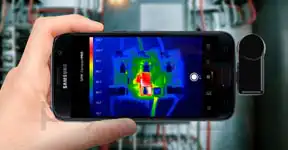
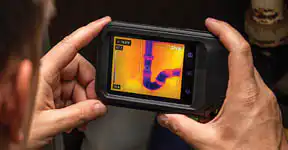
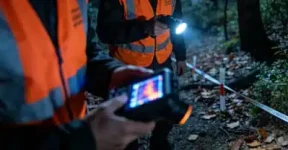
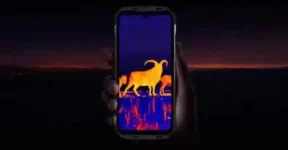
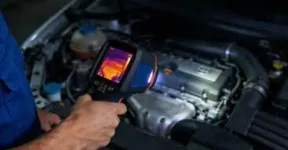
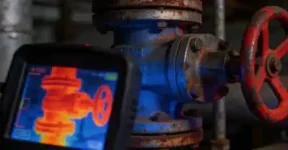
Night vision and thermal binoculars used for an ordinary dawn animal look need a ready kit and a clear observation boundary. Confirm charge, settings and usable startup before the planned session, then note how the warming background changes the image. The viewer can assist observation of exposed animals; it must not be used to declare a field clear for machinery or replace normal farm checks.
| Observation | Evidence to keep | What it supports |
|---|
| Before the session | Approved charge process and settings | A ready viewing kit |
| Startup | Usable image and retained mode | Normal operation before observation |
| Changing light | Time, landmark and contrast change | Scene context rather than a fault assumption |
| Farm report | Visible animals and unobserved areas | Observation only, not field clearance |
Night Vision and Thermal Binoculars Need a Ready-Kit Routine
A viewer stored after the previous evening may have less reserve than expected or retain a setting unsuitable for the next session. Looking at the battery icon only after reaching the observation point leaves little time to resolve a missing cable or incorrect mode. Prepare the kit through the documented charging and storage process before it is needed.
For farm observation preparation, keep the approved charger and battery arrangement identifiable before the scheduled look. The checklist in farm-owner binocular priorities should include startup and settings as well as evening-to-morning power planning. Readiness means the kit can begin ordinary observation. Charging still has to follow the exact manufacturer’s permitted conditions, including its storage and temperature guidance.
The Scene Can Change While the Kit Stays the Same
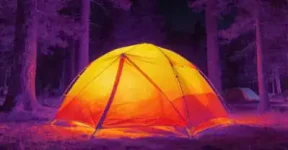
Around dawn, surfaces begin responding differently to the changing environment. A previously distinct outline may become harder to separate from its background even when the viewer is functioning normally. Compare the same landmark and note the approximate time rather than interpreting every reduced contrast as a battery or detector problem.
The distinction between thermal infrared information and image contrast principles explains why a working thermal channel can show less useful separation as the scene changes. Compare daytime shade viewing with open-ground thermal context, keeping time and the same landmark in the notes. Visible daylight is not a universal explanation for success or failure; the background and exposed subject still matter.
Separate the Viewing Checklist From Farm Operations
An ordinary look across exposed ground may reveal where an animal is visible at that moment. Dense grass, buildings, terrain and averted body orientation can conceal others. Record the unobserved areas instead of calling them empty. Farm operations require their own established checks and qualified judgment; the thermal view is not a substitute or a clearance certificate.
The limits in livestock enclosure limitations remain relevant when applying animal-viewing terminology. The examples in crowded livestock image limits show why overlap can leave uncertainty even when some animals are clear. Write down visible activity and the ground hidden by cover. A larger array or wider view cannot turn those hidden areas into verified observations or authorize another farm operation.
Compare the Whole Preparation Burden
A kit that needs several adapters, menu changes or uncertain charging arrangements may be inconvenient for a brief scheduled look. Another kit may be simpler but offer fewer optional channels. Ask the intended user to perform the normal preparation and startup, then record the steps that were actually necessary. Do not infer ease of use from a seller’s practiced demonstration alone.
Assess whole-kit value by asking the intended user to prepare and start the kit. Use binocular buying mistakes and clear supplier questions to describe any awkward steps. The reference on capacity and state-of-charge concepts explains why capacity is not the same as readiness. A simpler documented arrangement may suit a short dawn session; its benefit must be assessed from the actual preparation burden.
A dawn readiness card can stay with the approved kit and list the ordinary startup mode, last charge check and intended observation point. It should not contain a box labeled field clear. At the session, note the visible animals and the parts of the ground hidden by cover. If contrast changes as the morning develops, add the time and background rather than rewriting the equipment’s performance as a permanent failure. A useful supplier comparison repeats the normal preparation with the intended user. It does not require a forced battery exhaustion test or a staged animal movement. The result is a ready observation tool with a limited report, not authority for another farm operation.
Budget for a kit the intended user can prepare
For a brief scheduled dawn look, ask the intended user to demonstrate normal preparation using the proposed approved kit. Record which battery and cable are needed, how the usable image is reached and which settings require attention. A consistent routine can be more valuable than an optional channel that complicates every start. The trade-off is choosing features around a narrow ordinary task. Keep any price comparison separate and current. The readiness record should finish with the viewing arrangement, while farm operations continue to use their own established checks.
Prepare the approved kit before the scheduled look and keep the dawn context in the notes. Report what was visible without treating a thermal scan as permission to begin another operation.