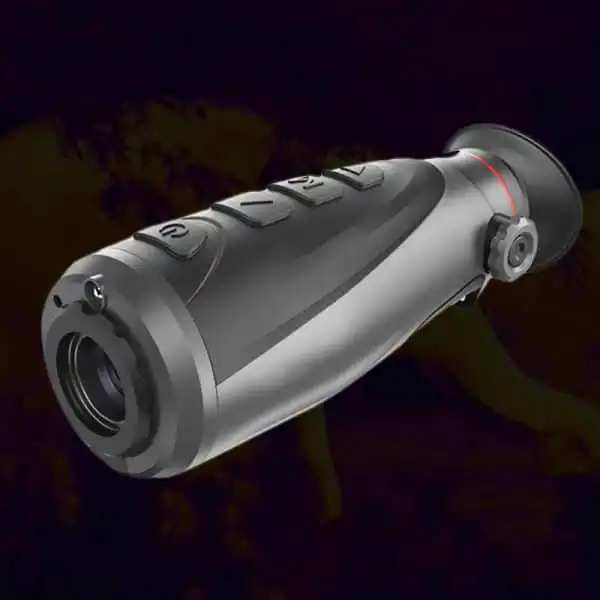
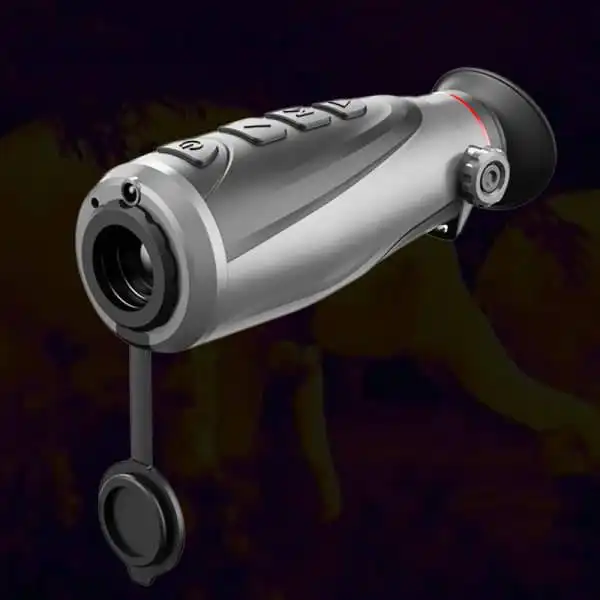
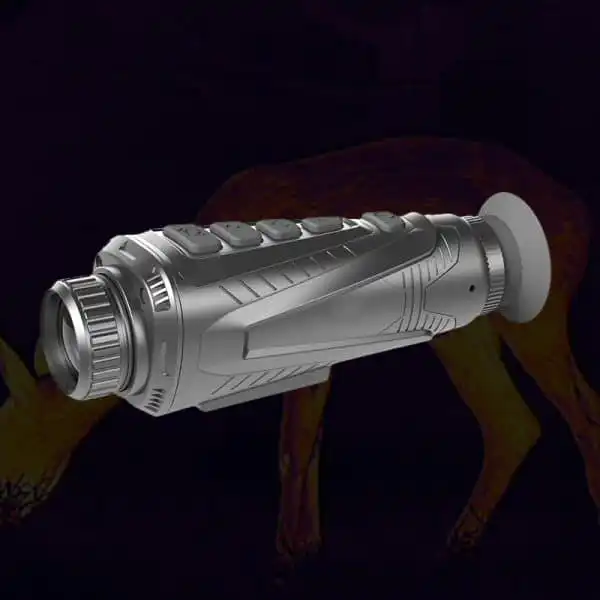
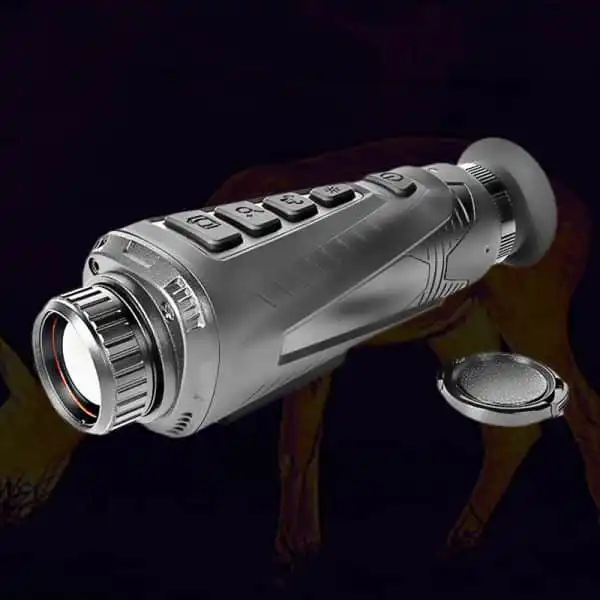
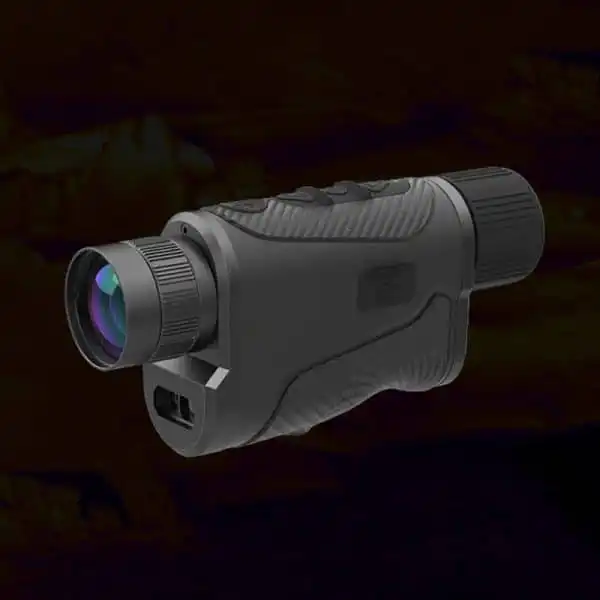
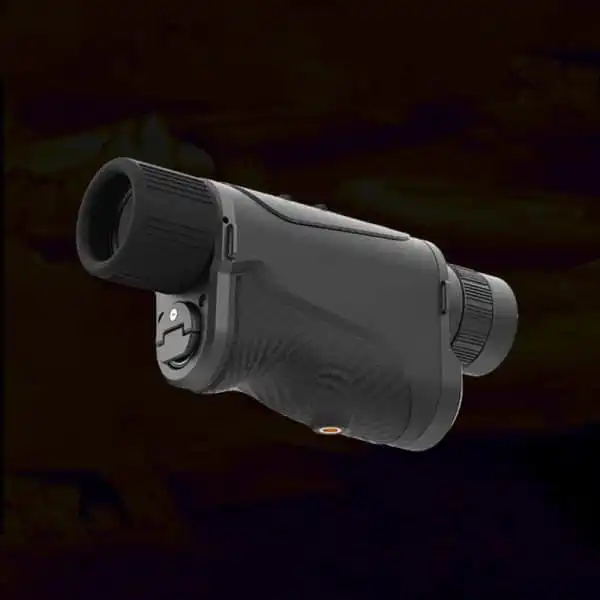
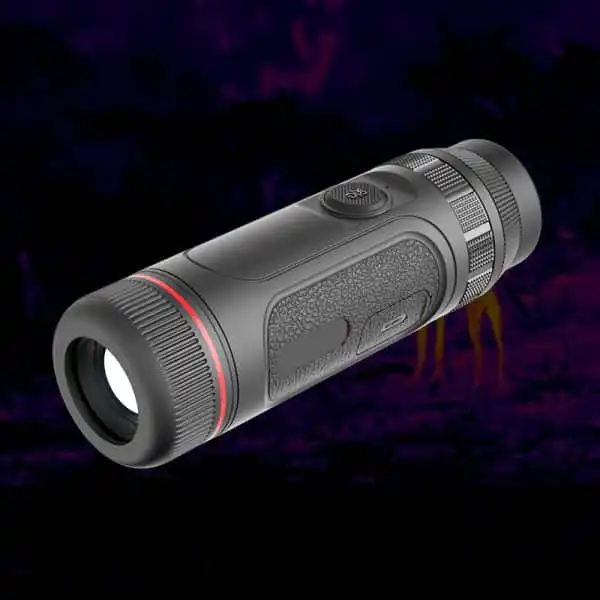
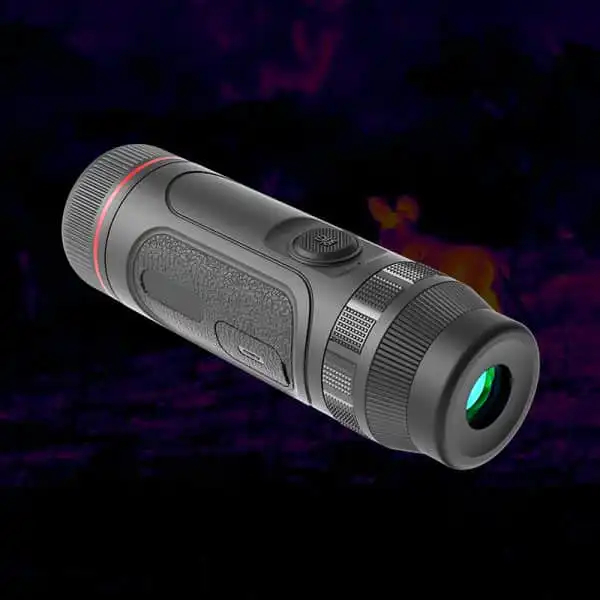
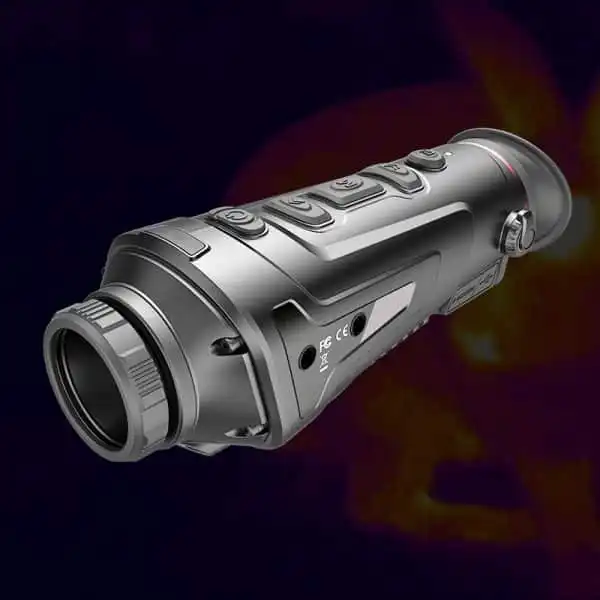
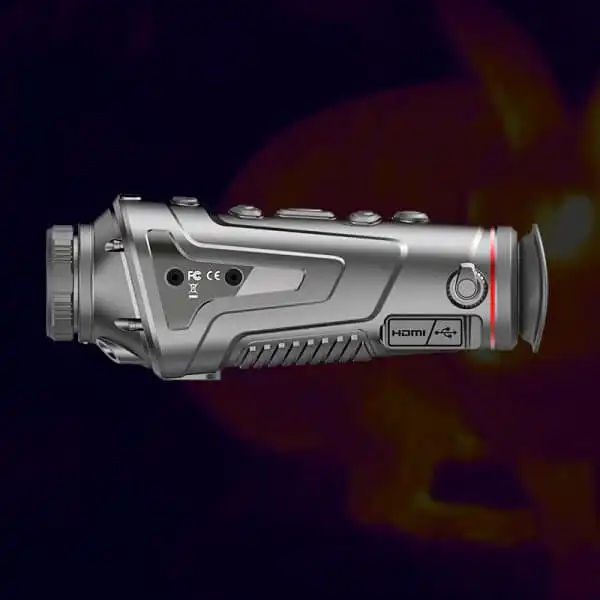
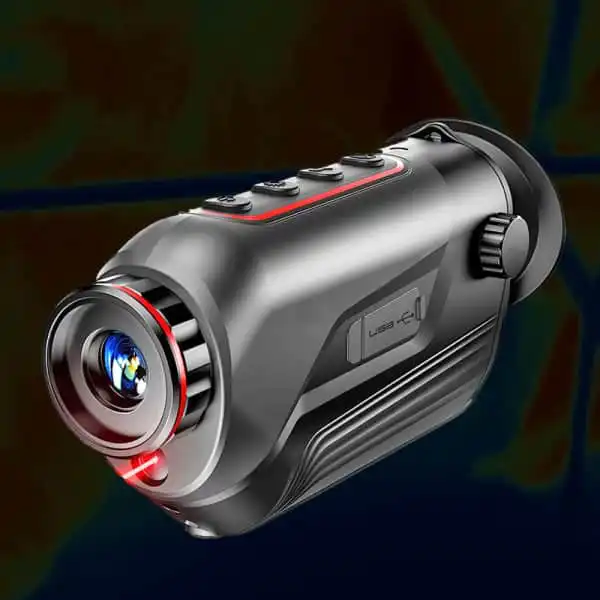
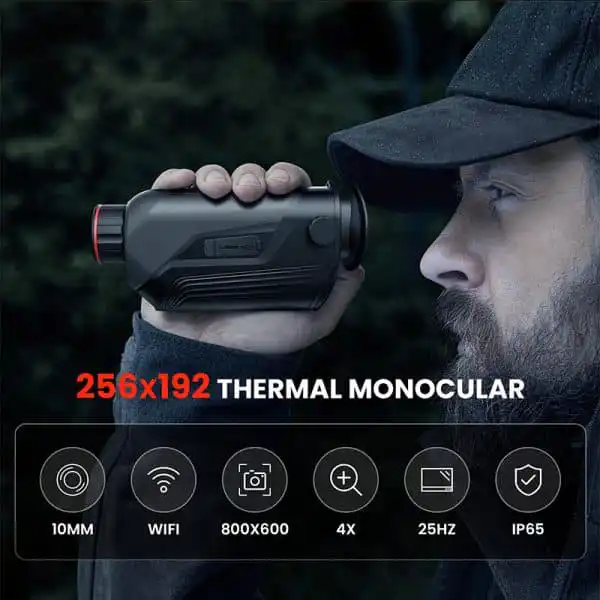
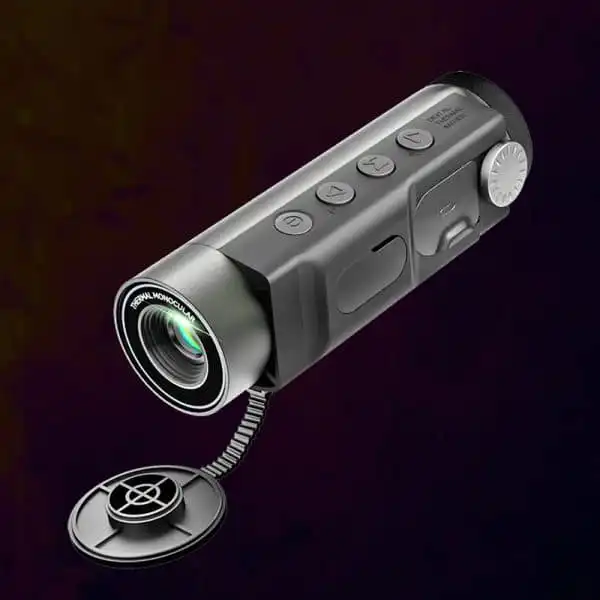
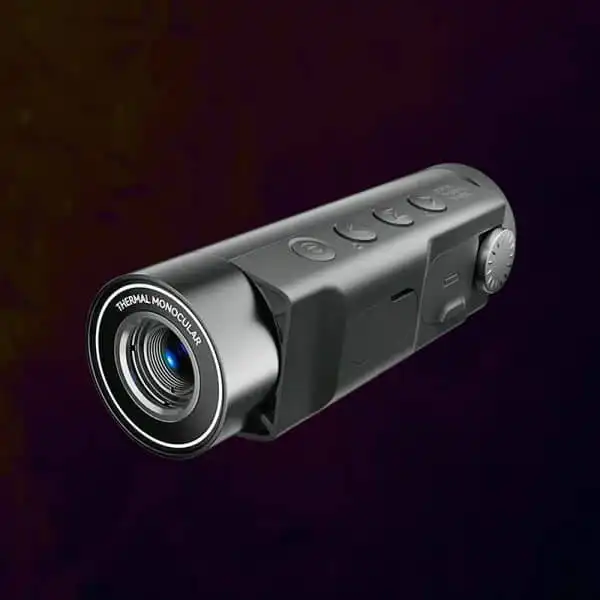
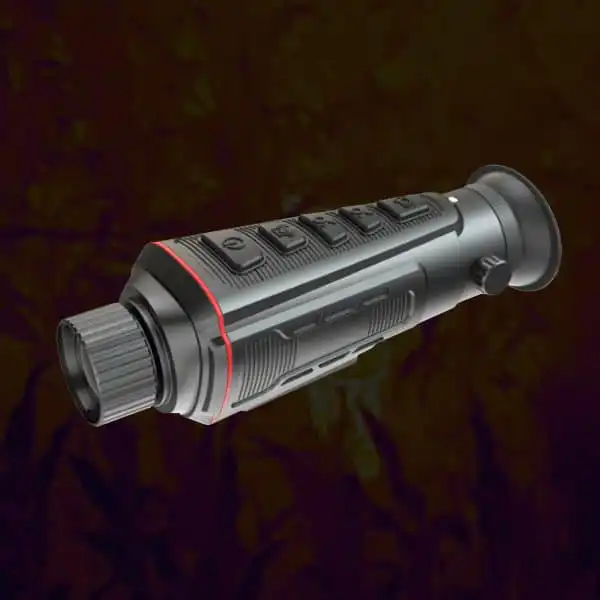
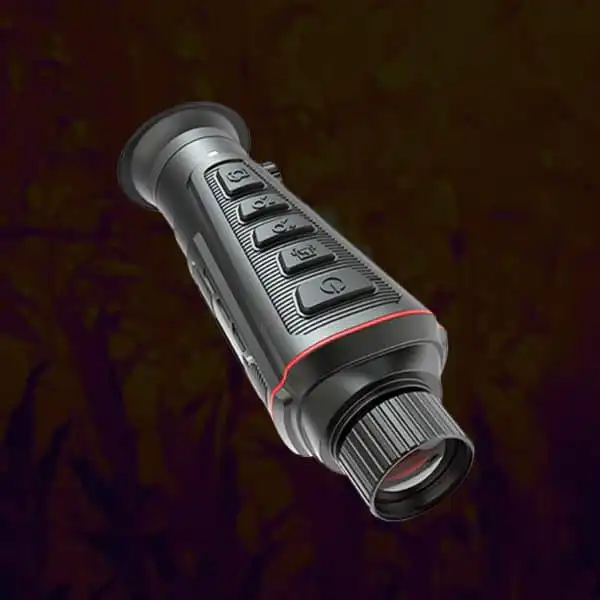
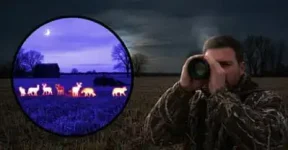
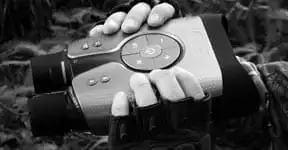
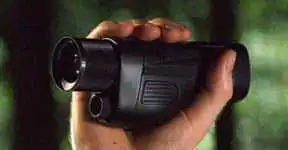
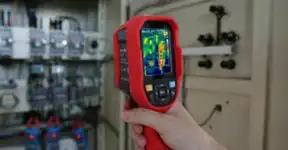
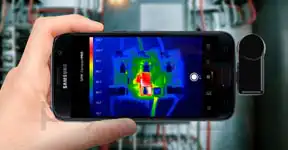
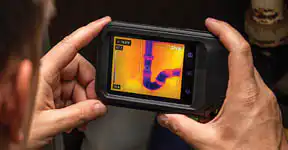
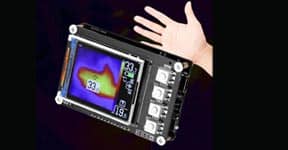
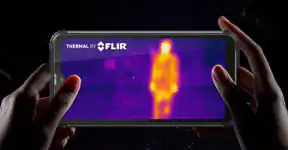
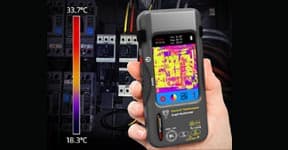
Renting or borrowing night vision goggles with thermal can help an organizer discover whether a particular viewing arrangement suits a stationary bat watch before committing to ownership. Compare palette readability and retained exit context, not a presumed species count. Confirm the provider actually offers the arrangement and obtain its terms. No rental availability, local permission or current price is asserted here.
Night Vision Goggles with Thermal Need a Trial Question
An occasional group may not yet know whether the main difficulty is keeping an opening in view, following brief movement or explaining the image to participants. A trial is useful when it answers one of those questions. It is less useful when the only goal is to collect an impressive-looking clip that cannot guide the later equipment choice.
For an occasional nature group, bat-emergence recording context identifies what must remain visible around the exit. Compare brief-motion viewing evidence with night-activity recording limits before arranging a trial. Keep the activity stationary at an appropriate permitted position and avoid disturbing the roost. The exercise tests presentation and handling; it does not establish a complete emergence count or survey validity.
Compare Palettes Against the Exit, Not Against Each Other
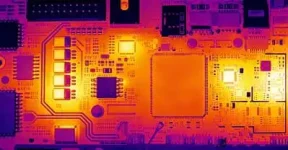
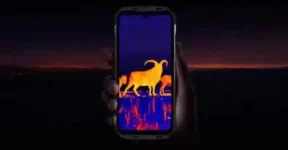
A palette that makes a tiny moving patch prominent may also erase the opening’s edges or surrounding structure. Another presentation may look less dramatic yet preserve the context needed to understand the direction of movement. Keep focus, viewpoint and zoom stable while testing supported palettes, and note what information becomes easier to retain.
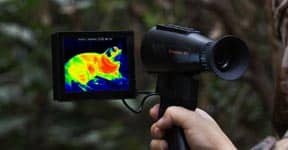
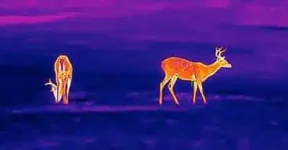
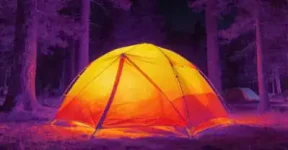
With false-color interpretation in mind, judge palette preference claims by whether the opening’s edges remain readable. Keep palette-setting records with each original. The reference on detail and contrast principles gives technical background, but the group still needs to compare its actual scene. A conspicuous colored patch is useful only if enough surrounding information survives to interpret its movement.
Preserve the Misses and Interruptions
A bat can pass too briefly, overlap another outline or disappear against clutter. A correction pause or missed recording start may also remove a useful moment. Keep those interruptions in the trial notes rather than retaining only the clearest passages. The final clip count is not automatically a count of animals or a measure of detection probability.
Review brief-motion recording evidence together with saved recording cadence when an animal crosses the opening briefly. Add recording interruption checks to the trial notes instead of discarding inconvenient gaps. The observer may see something that the file misses. Retaining that discrepancy helps distinguish a presentation preference from a capture requirement without inventing a detection probability.
| Observation | Evidence to keep | What it supports |
|---|
| Trial question | One handling or recording uncertainty | A reason to trial the equipment |
| Palette choice | Exit edges and visible movement retained | Task-specific readability |
| Missing evidence | Overlap, pauses and unrecorded activity | An honest trial limit |
| Provider terms | Current kit, permissions and file handling | No assumed rental offer |
Keep Commercial Terms Separate From Technical Findings
Ask who supplies the kit, which accessories are included, how settings and files are handled, and what condition checks apply before and after the trial. Obtain current written terms from the provider. A sensible technical recommendation should not assume that any particular rental service exists or that borrowing is always cheaper than ownership.
Resolve goggle procurement questions and whole-kit value with the provider before the trial, including permission to retain files. file export preparation should be rehearsed through the supported route. Written current terms must establish availability, included accessories and return conditions. A useful trial answers the group’s question even when it produces no spectacular clip or immediate purchase.
Before the trial, agree who may retain the recordings and how the provider wants settings and equipment returned. During the evening, write down one palette-related gain and one limitation rather than making a promotional score. Keep the opening visible even when no activity is obvious. If brief patches overlap, leave the number uncertain. A later purchase brief can then say that one presentation retained the exit edges better while another made individual patches more conspicuous. Neither statement proves species identification or complete emergence counting. The trial has done useful work if it clarifies the required presentation and file workflow, even when it does not produce a spectacular wildlife clip.
Bring one unresolved question to the trial
An organizer might ask whether participants can retain the exit outline while following a brief patch across it. That is a useful trial question even without a confirmed rental provider. Arrange the commercial terms separately and keep the technical question unchanged during the ordinary session. A trial can prevent buying a feature the group will rarely use. Its trade-off is preparation and limited experience of other conditions. Record the question that was answered, the one still open and any permitted original files retained for the later buying discussion.
Use the trial to answer one equipment question and keep the imperfect moments. Verify provider terms separately before deciding whether renting, borrowing or buying fits the actual pattern of use.