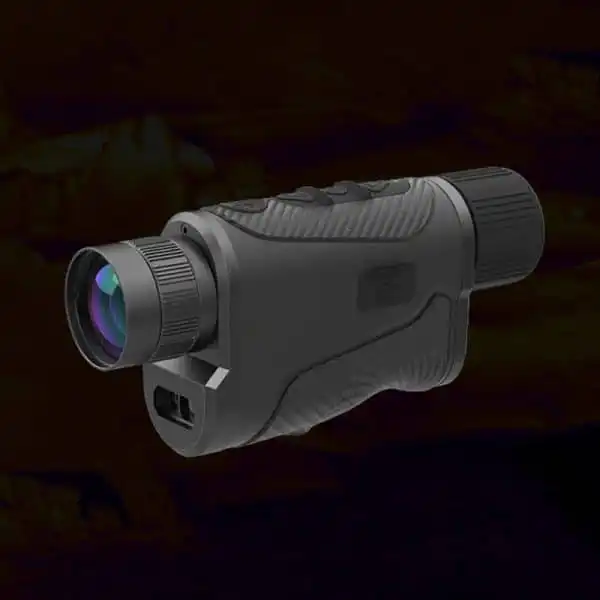
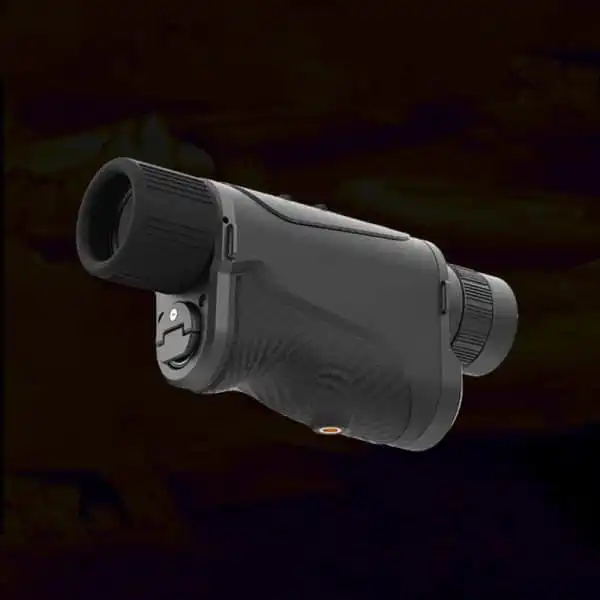
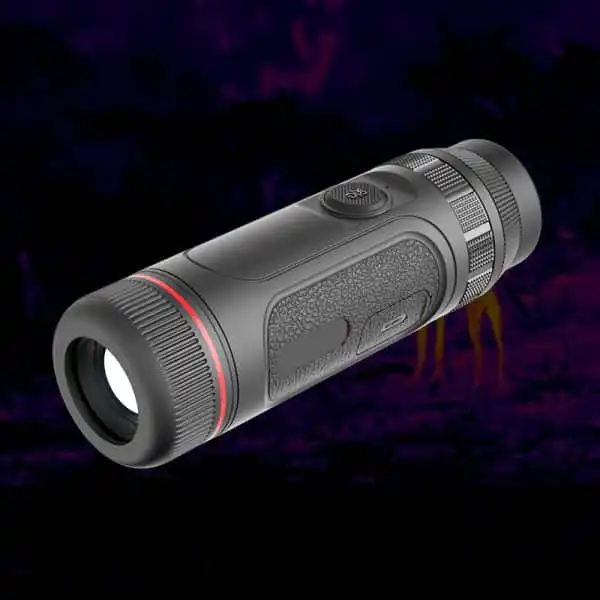
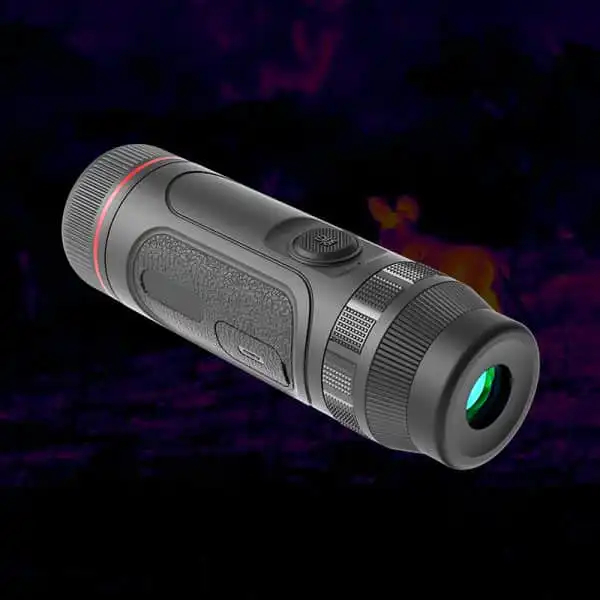
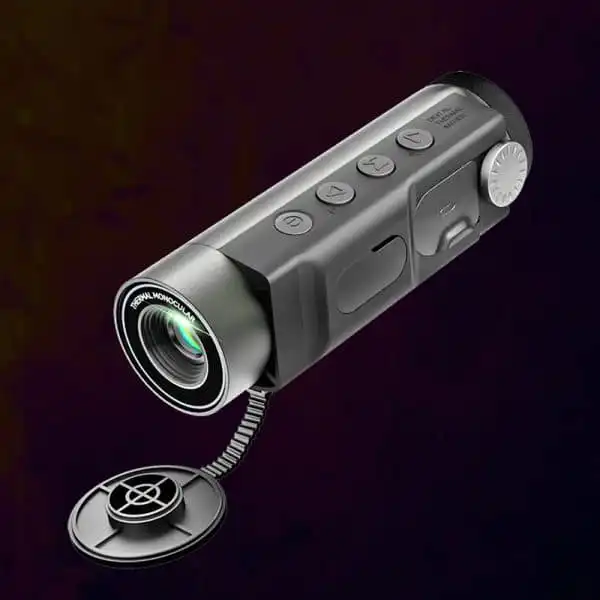
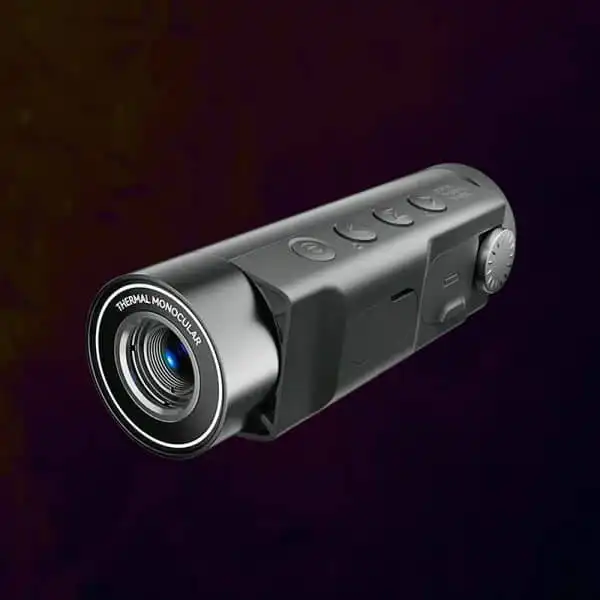
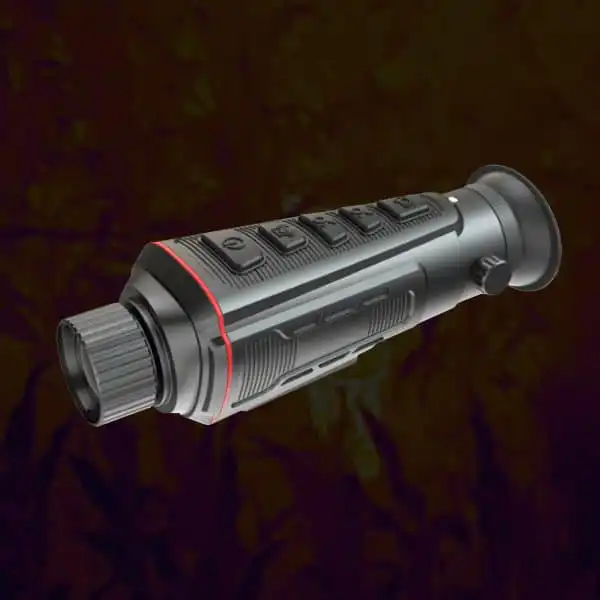
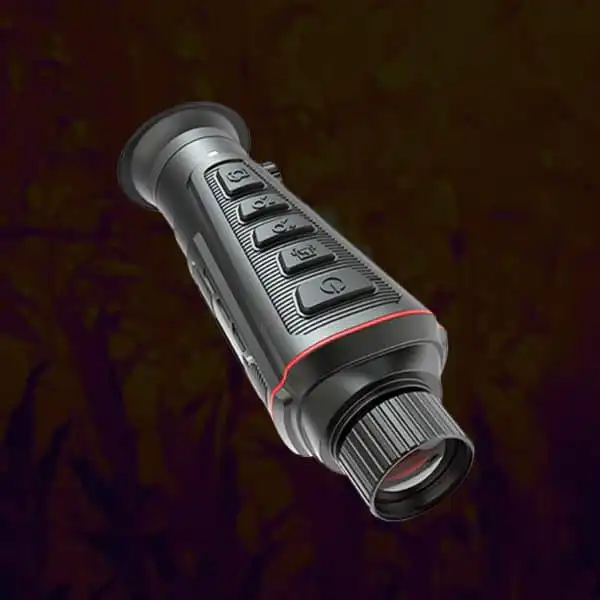
Build Around the Station Rather Than an Accessory Photograph
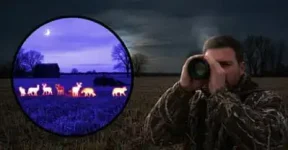
A farm owner watching an exposed field from a permitted fixed position may value a repeatable place for the viewer more than continuous wear. The station should let the observer regain the scene, operate essential controls and put the device away without stressing an improvised connection.
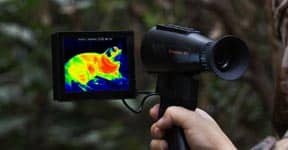
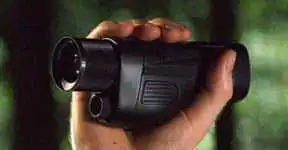
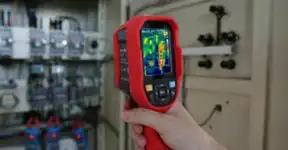
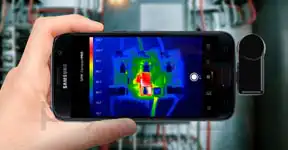
different supported thermal viewing arrangements can frame the alternatives. combined thermal and night-viewing systems must still be checked as complete products rather than assembled from similar-looking parts. Identify the exact supported attachment and the intended operating posture. The discussion concerns stationary observation only and does not imply weapon mounting, safe navigation or a guaranteed security function.
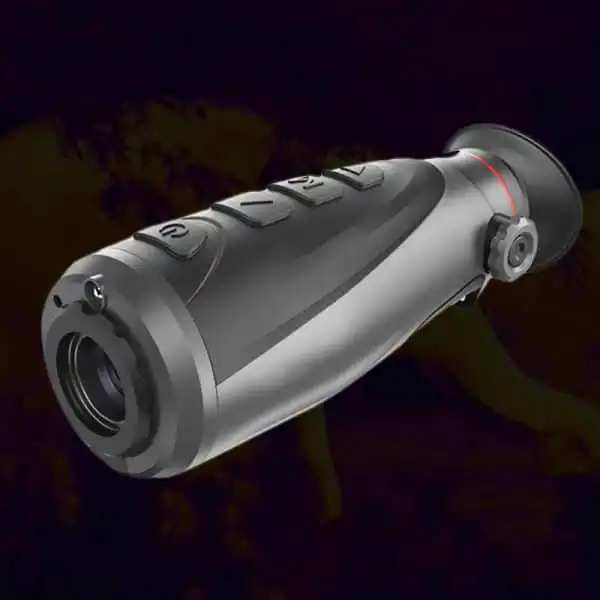
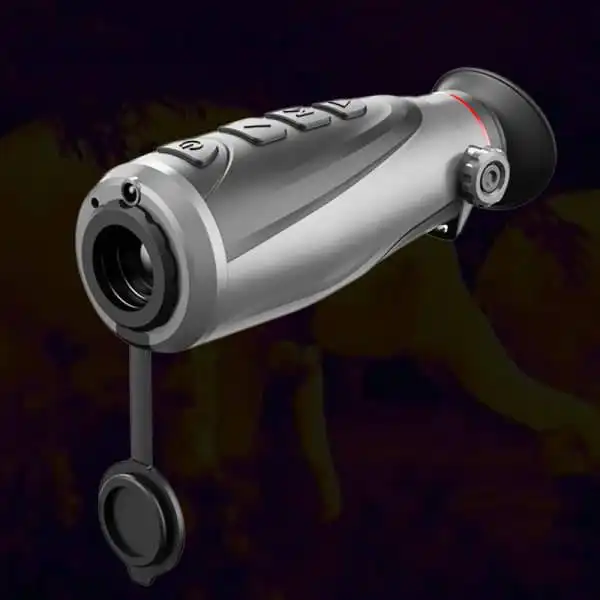
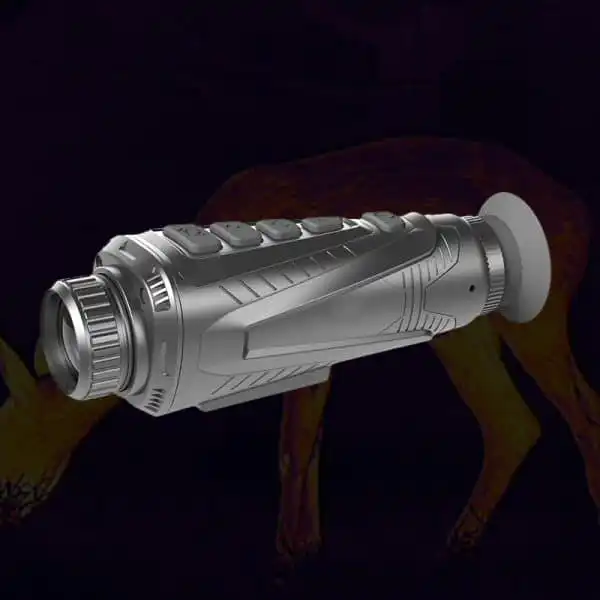
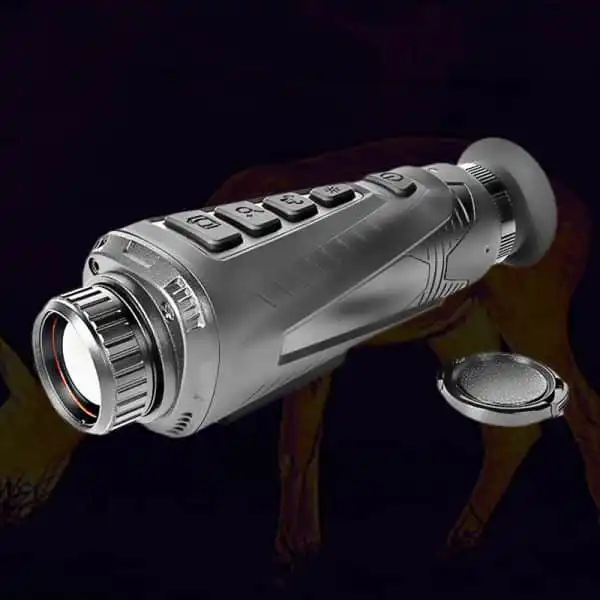
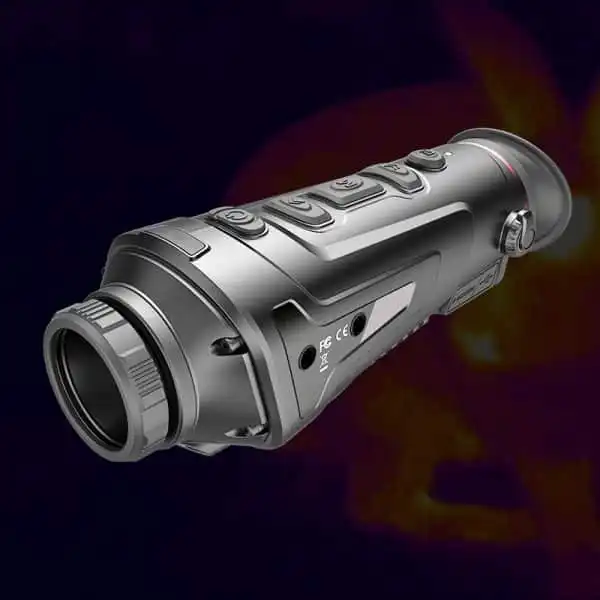
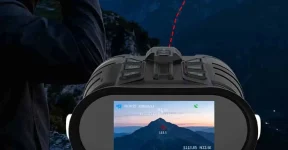
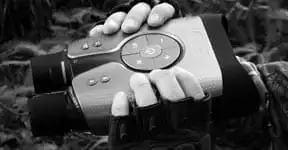
Night vision and thermal goggles can suit a fixed observation station when the complete supported arrangement is stable, comfortable and easy to operate. Assess the actual viewer, approved support, battery and cables together. A rugged enclosure does not establish mount strength, and an attractive mounting photograph does not prove mechanical compatibility or useful viewing geometry.
Night Vision and Thermal Goggles Need a Whole-System Balance Check
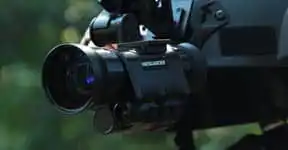
The viewer’s bare weight is only part of the arrangement. A battery extension, cable or adapter can move the center of mass or obstruct a control. A small component placed far from the support can create an awkward load even when its own mass is modest.
compact viewer positioning and outdoor system fit should therefore be assessed with every approved component installed. field-of-view relationships explain the imaging coverage, not the mechanical suitability of a bracket. Obtain the manufacturer’s mounting guidance instead of estimating allowable load from an external shape. Never force an attachment that seems almost compatible or use an unapproved improvised spacer.
Separate Enclosure Protection From Support Strength
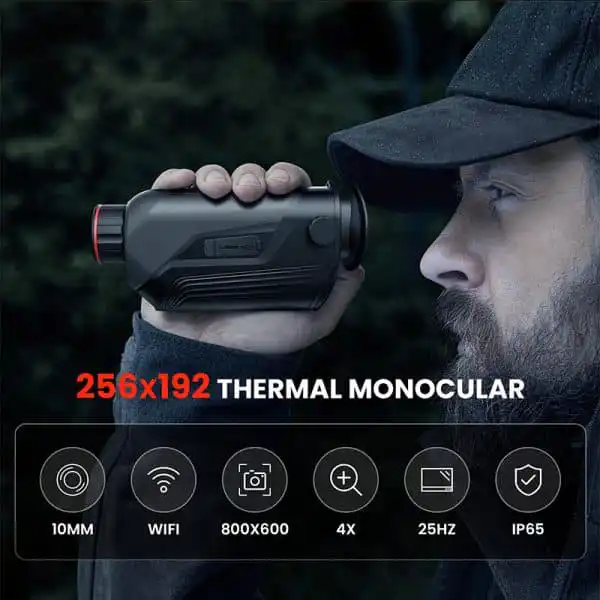
An ingress rating describes defined protection against entry of solids or water. It does not establish that the same body can tolerate a particular lever load, repeated mounting stress or every outdoor support arrangement. Keep these claims in separate fields.
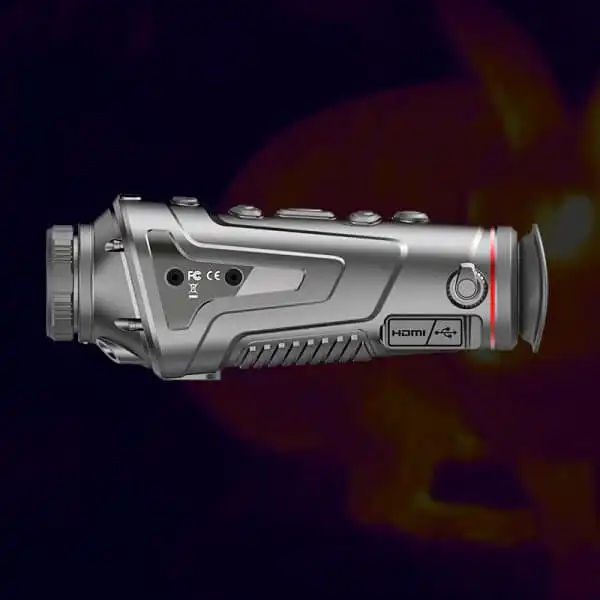
The enclosure-protection classification is relevant background without certifying the actual kit. thermal system checks before purchase should include connector-cover access and the approved configuration for weather exposure. distinct thermal specification fields help prevent a ruggedness label from becoming a blanket reliability claim. If mechanical or environmental guidance is absent, treat it as missing rather than assuming a robust-looking casing provides the answer.
Check Controls Without Disturbing the Supported View
From the ordinary stationary posture, try the documented focus, record, palette and power controls. Note whether pressing a button pushes the view away from the reference point. Check whether cables catch clothing or block a cover, and whether the device can be removed according to the instructions.
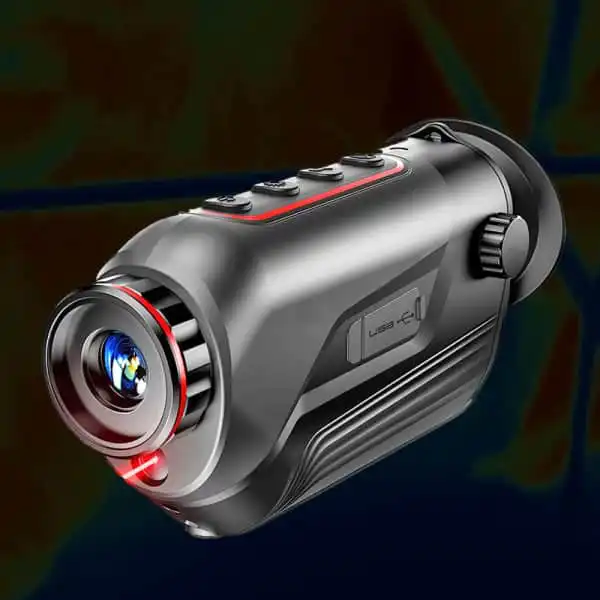
motion and correction behavior can explain some image interruptions, but a moving bracket is a different problem. essential viewing controls provide a useful comparison even across form factors. Use an empty ordinary scene for the handling rehearsal. The aim is to identify awkward operation before an animal appears, not to manufacture a field performance claim from a brief demonstration.
| Requirement | Practical check | Limit |
|---|
| Viewing geometry | The full display and scene are accessible | Do not confuse optical coverage with support strength |
| Complete load | Approved viewer, battery and cables fitted | Bare weight is insufficient |
| Enclosure | Documented covers and exposure conditions | IP protection is not a mount-load rating |
| Control rehearsal | Normal actions retain a stable reference | Identify mechanical movement separately |
Compare the Observation Routine With a Simpler Alternative
A fixed support can add useful repeatability while making transport and packing more complicated. Compare the complete routine with a supported handheld or two-eye arrangement. A station is worthwhile when it solves the named problem, not merely when it looks more professional.
two-eye thermal viewing may offer another comfort route, while matching equipment to the task can reveal that shorter viewing turns are sufficient. Keep the same observation objective when comparing arrangements. A different pose or a second channel does not automatically increase native thermal detail or make an obstructed part of the field visible.
Choose a Station You Can Inspect and Repeat
Write down the approved component list, the connection sequence and the reference landmark used to recover the scene. Inspect the arrangement as the manual requires, and stop using a component that is loose, damaged or no longer operates normally. Do not dismantle a sealed viewer as part of a mounting experiment.
complete-system value and specific supplier questions are easier to evaluate with that list. Ask for unresolved compatibility and support details before purchasing. A useful fixed station is one that ordinary users can assemble, operate and pack consistently within the documented limits, rather than an unsupported combination built around appearance.
Choose the complete documented arrangement and rehearse its operation from the real posture. Keep enclosure protection, mounting compatibility and image quality as separate requirements.