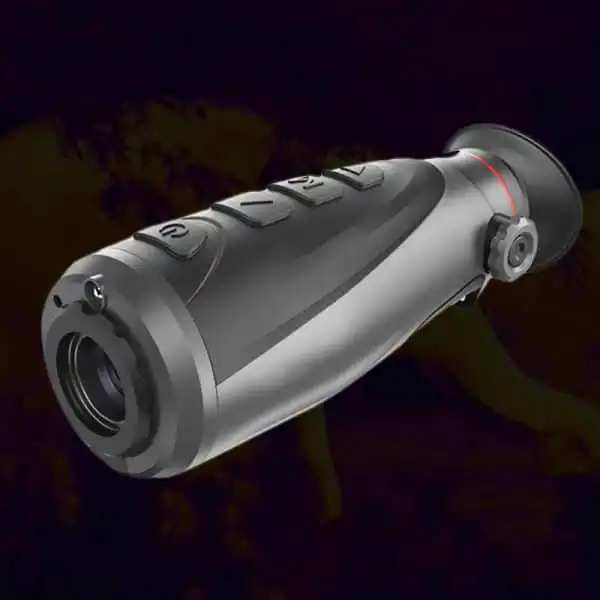
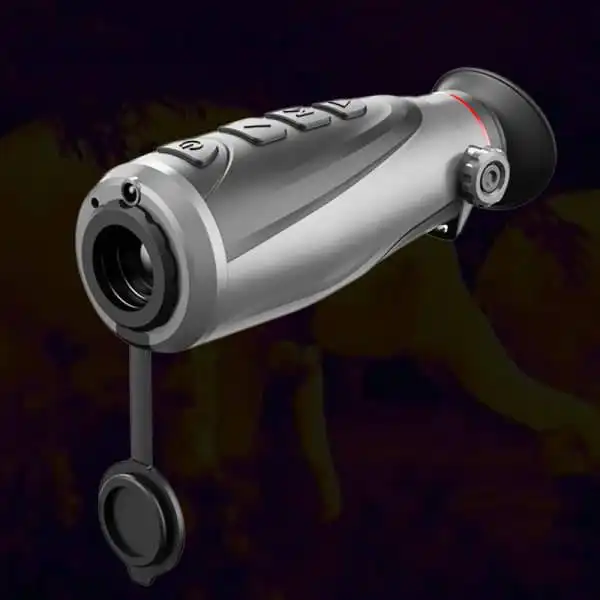
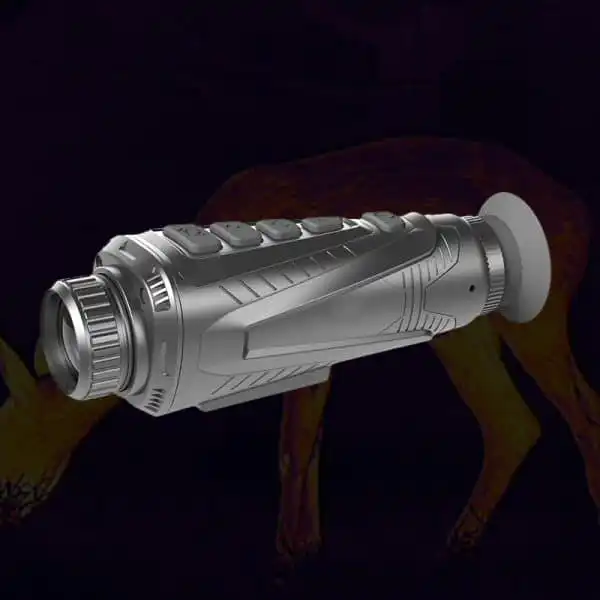
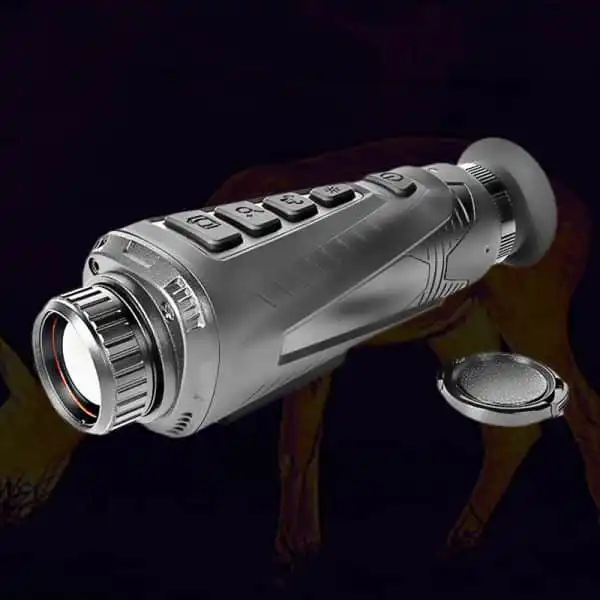
Best thermal monoculars for checking an unexplained night sound should be judged by the visible sectors they can cover from an ordinary stationary position. Sound direction is only a clue: echoes, movement and obstruction can separate the apparent source from the visible activity. Map the gaps before choosing magnification. A thermal viewer does not identify every sound or establish that an unseen area is empty.
| Observation | Evidence to keep | What it supports |
|---|
| Sound clue | Approximate direction and uncertainty | A starting sector, not a confirmed source |
| Visible sector | Near and far landmarks plus obstructions | A coverage requirement |
| Image observation | Exposed shape, motion and any confirmation | A separate visual record |
| Purchase trial | Reacquisition at native view by the intended user | Practical handling evidence |
Best Thermal Monoculars Need a Visible-Sector Plan
A listener at a campsite or rural building may hear movement from a general direction without knowing its position. Pointing a narrow view at that direction can miss an exposed animal nearby. Draw the accessible view as a few sectors with clear landmarks. Include both the apparent sound direction and the neighboring open ground rather than assuming a precise sound-to-image match.
Use interpreting nighttime animal sounds and monocular checks after a sound as observation starting points. wide-area thermal viewing makes coverage a deliberate choice. Stay at a normal permitted position and use ordinary lighting and judgment for moving around. This is a non-emergency nature-observation routine, not a method for locating people, navigating dark ground or deciding that a place is secure.
Compare Coverage at the Distances That Matter
A field-of-view angle becomes useful when related to the near path, a farther hedge gap and the area between them. The same viewer covers different widths at those distances. A narrower lens may sample a distant exposed feature more closely but demand more repositioning to inspect the whole sector. Digital enlargement makes the shown area smaller without reopening hidden gaps.
Combine field coverage and distance geometry with field-of-view units and monocular selection priorities. Ask for the actual horizontal and vertical fields rather than a diagonal value presented as width. first monocular setup habits should include returning to the ordinary native view after a close look so that the next observation does not begin in an unexpectedly narrow crop.
Do Not Turn a Coincidence Into an Identification
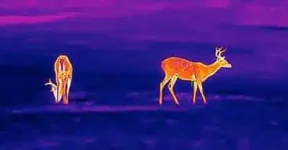
An animal visible near the apparent sound direction may not have produced the sound. Describe the image and sound separately until an ordinary observed action links them. Record where each was noticed and whether the animal was already present. A thermal image usually lacks the natural colors and fine visible markings that could support a stronger identification.
Read thermal radiation imaging with discovery followed by optical confirmation. woodland-edge uncertainty is especially relevant when a hedge separates the listener from the scene. Keep unanswered sounds in the notes rather than assigning the most plausible animal. This prevents a compelling story from becoming stronger than the actual visual record.
Buy a View That Can Be Reacquired Calmly
During a demonstration, ask another observer to name an ordinary landmark and then find it without changing the agreed station. Check focus access and whether the screen remains comfortable after looking away. Do not judge the equipment by how quickly an experienced seller can point it; the owner must be able to regain the same context without coaching.
Use budget monocular expectations, value-led monocular purchasing and practical monocular handling to prioritize usable coverage over a maximum zoom label. A premium array cannot see around opaque obstacles, and a budget viewer may still suit a modest visible sector. Choose the least complicated arrangement that supports the defined task, with its missing coverage clearly stated. No tested ranking of current products is implied by the search phrase in this guide.
A simple sector card can name the gate, the open grass and the near hedge without assigning a precise bearing to a sound. After the sound, record which sector was actually viewed first and which was still obstructed. If an animal appears elsewhere, note the new observation rather than rewriting the original sound direction to fit it. During the purchase trial, compare whether native coverage keeps neighboring sectors understandable. A tight lens may be appropriate for one fixed gap, while a broader view may suit this uncertain starting position better. The card should remain an observation aid, not a search guarantee. Unmatched sounds and quiet sectors are legitimate unresolved entries.
Take a small sector sketch to the demonstration. Evaluate how easily you can inspect that real view while leaving sound identification and unseen areas unresolved.