Define Coverage Without Turning the Viewer Into a Clearance Tool
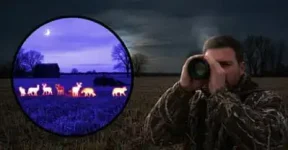
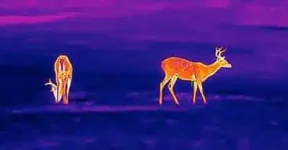
A large-property owner may observe wildlife around an open parking area after ordinary activity has ended. The task might be noticing exposed movement along a boundary, not identifying everyone present or proving the entire area is clear. State that limited purpose before selecting equipment.
task-led thermal equipment selection helps keep the requirement concrete. binocular coverage planning can be adapted to the stationary viewpoint. Mark the visible boundary, approximate distances and parts hidden by vehicles or structures. Do not use the thermal image as a substitute for established safety or security procedures, and retain ordinary permissions and environmental awareness.
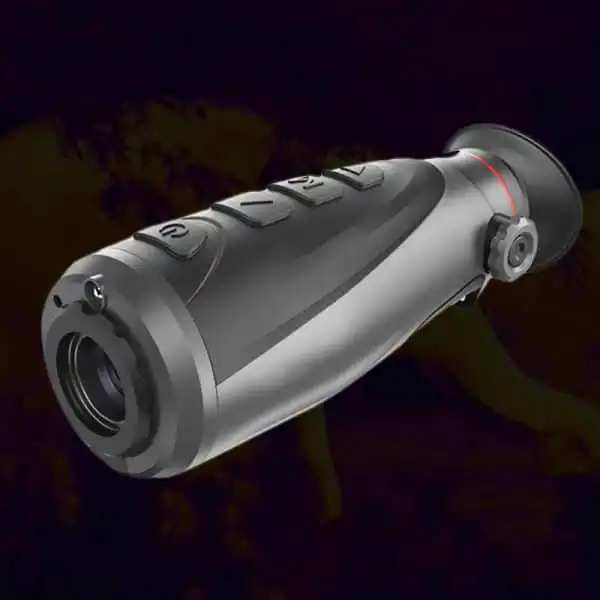
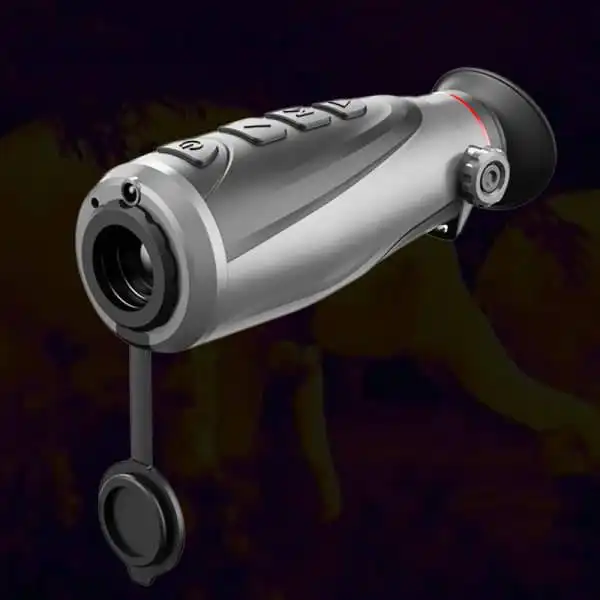
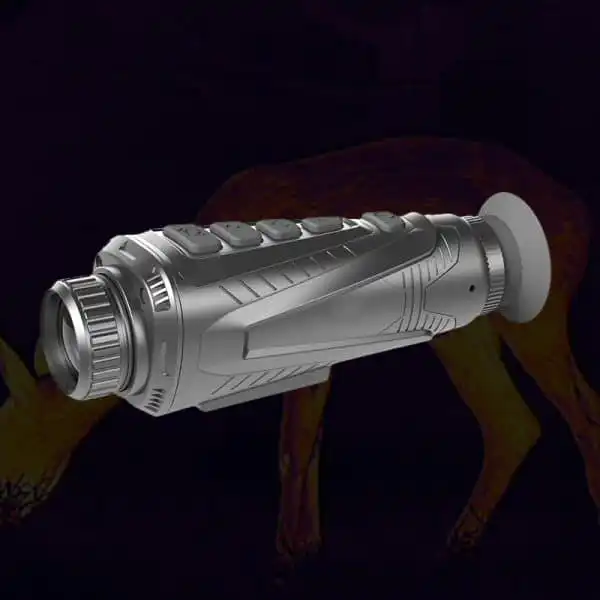
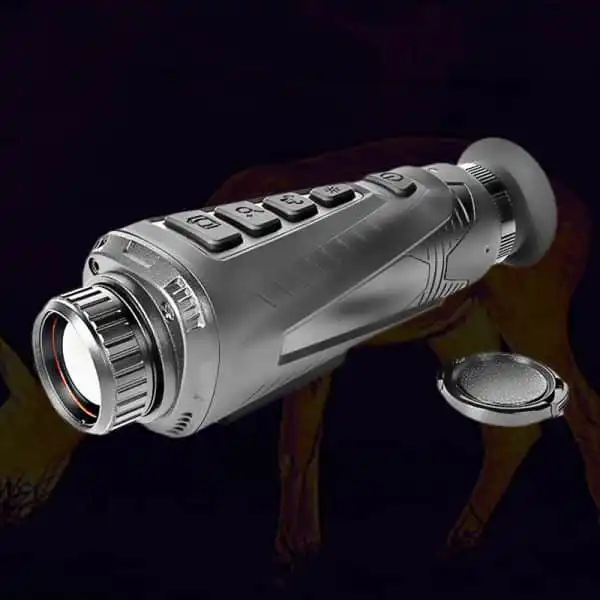
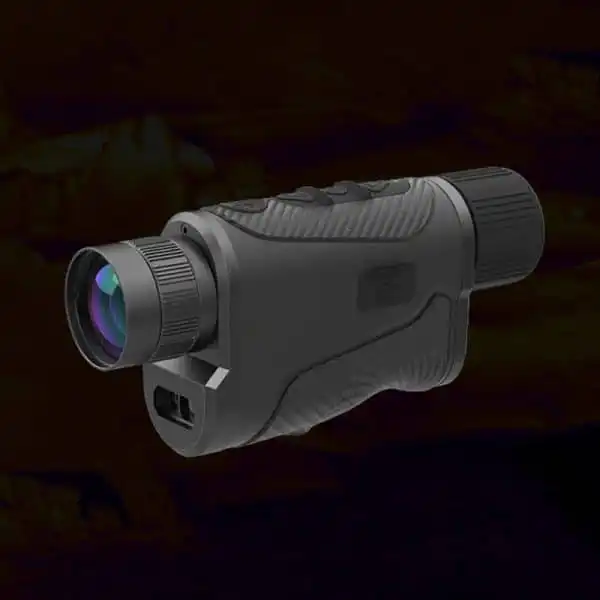
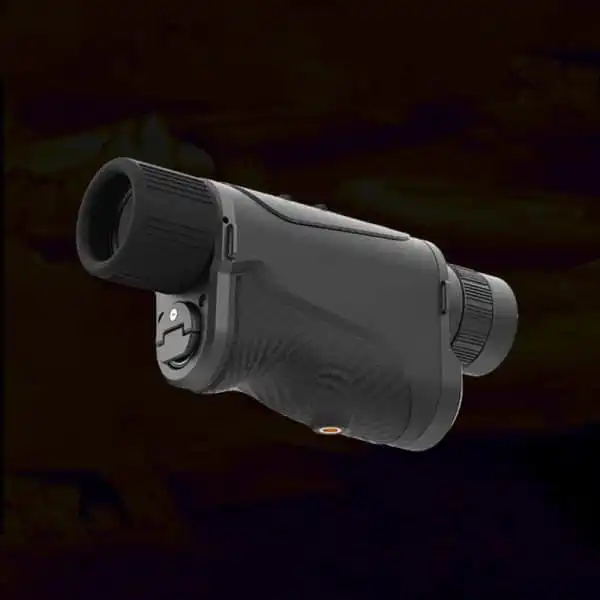
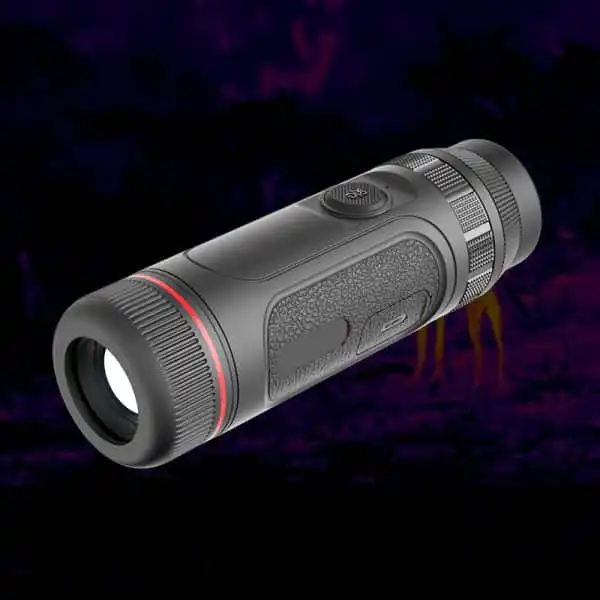
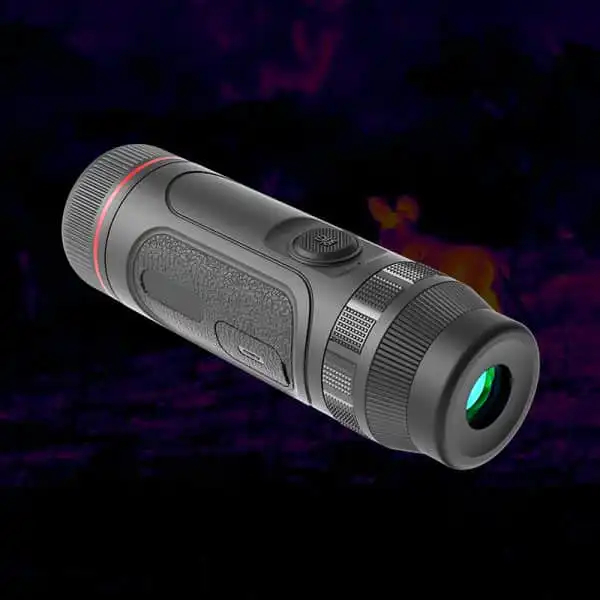
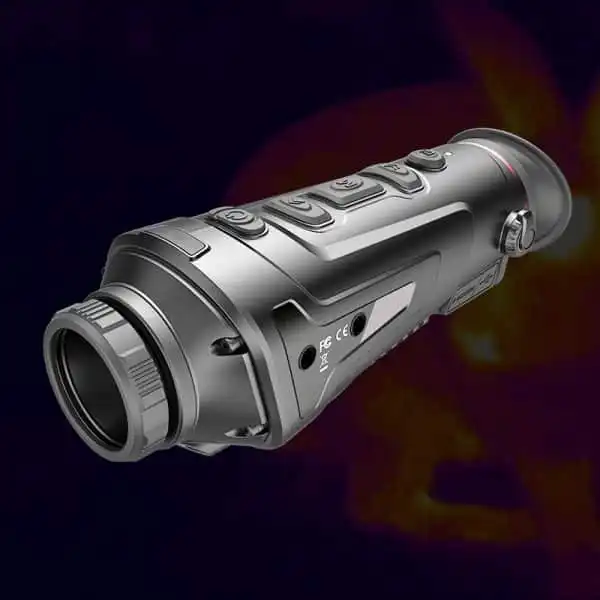
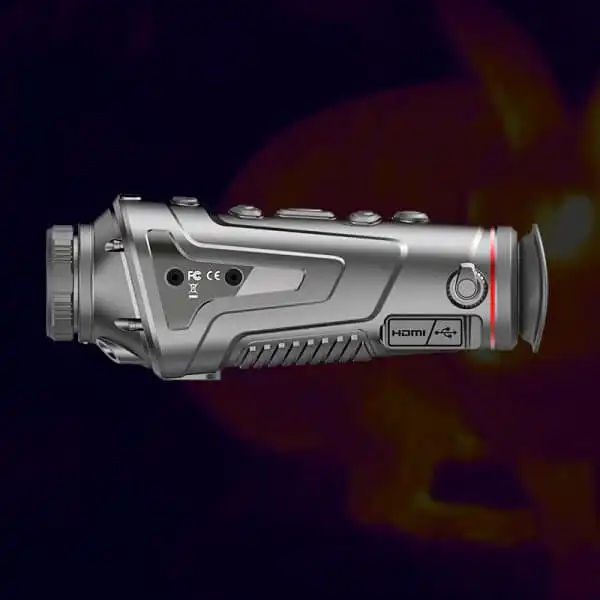
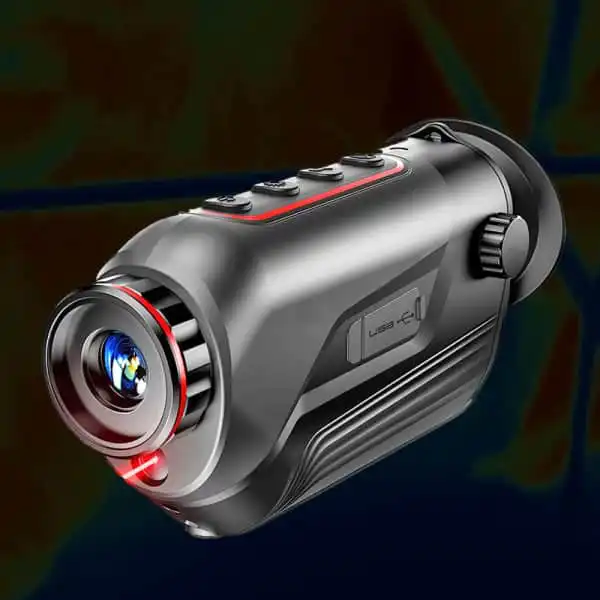
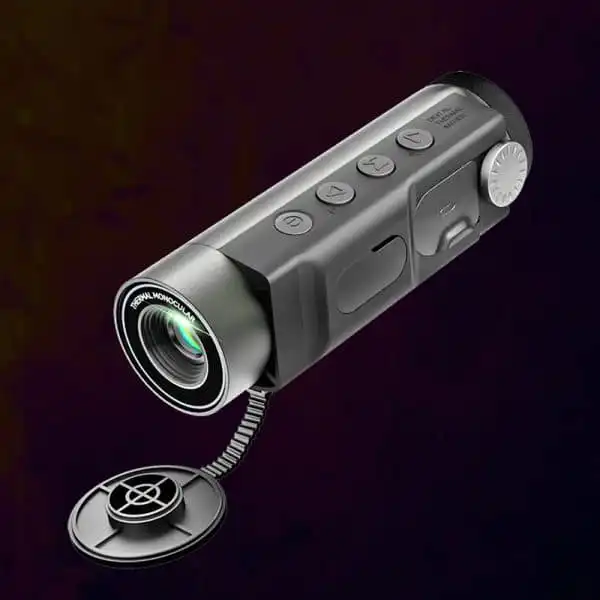
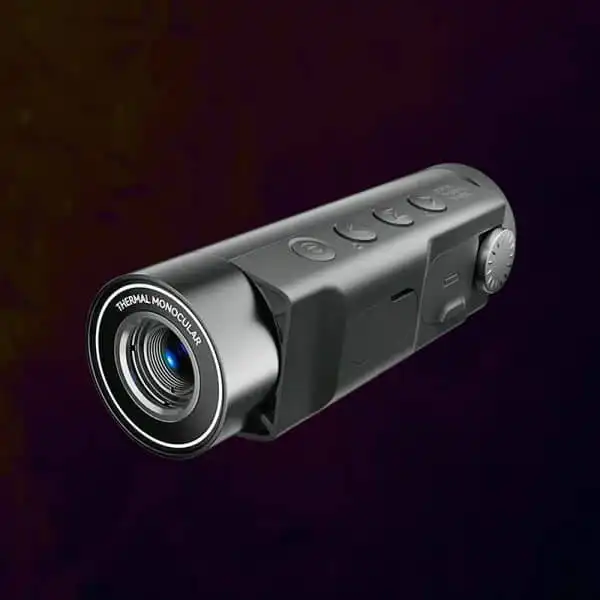
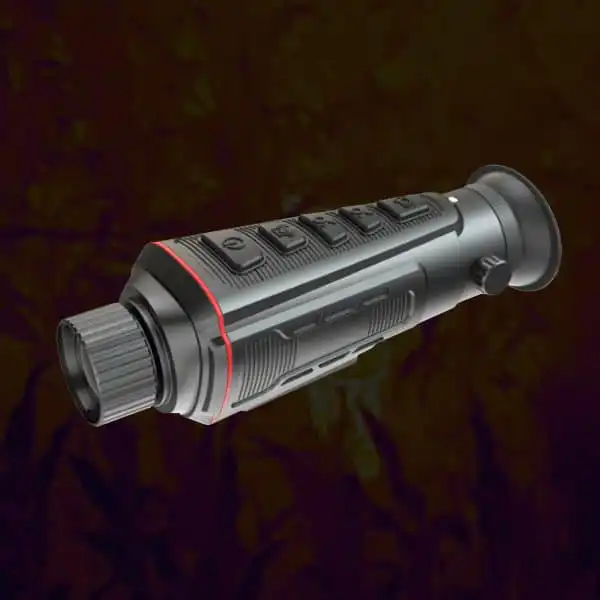
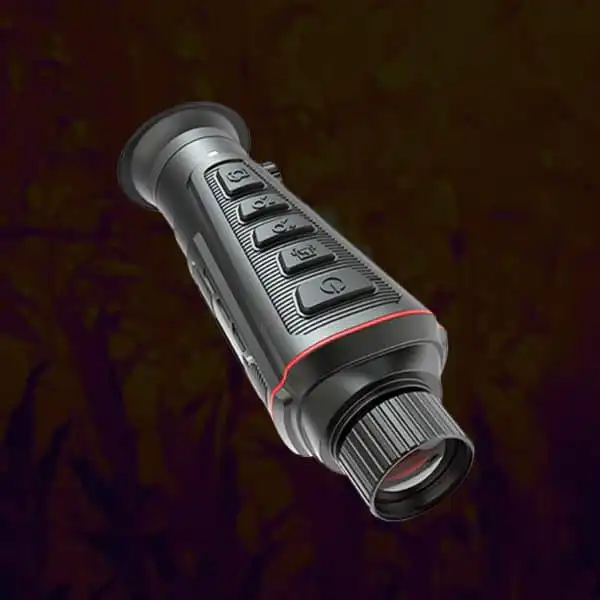
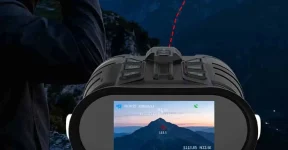
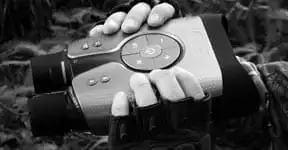
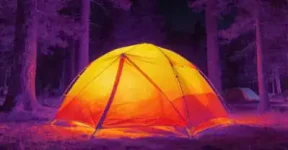
Thermal night vision binoculars should be compared against the actual coverage required from an authorized stationary viewpoint before their price is considered. A lens that makes a distant subject larger can show less of the surrounding area. Ask how the native view balances discovery and useful detail, and keep opaque vehicles and structures outside any claim of complete coverage.
| Comparison item |
Evidence needed |
Buying question |
| Visible boundary |
Native field width at the actual distance |
How many deliberate sectors are needed? |
| Small exposed subject |
Original samples on the required feature |
Is discovery enough for this task? |
| Opaque vehicle or structure |
No direct sightline |
Mark the area as unobserved |
| Complete quote |
Supported kit contents and current terms |
Does added cost solve a real requirement? |
Thermal Night Vision Binoculars Trade Field Width for Target Sampling
For a given detector and target distance, a narrower optical field can place more original samples on the same exposed subject while covering less surrounding space. A wider field can make it easier to discover activity but may provide fewer samples across a small distant animal.
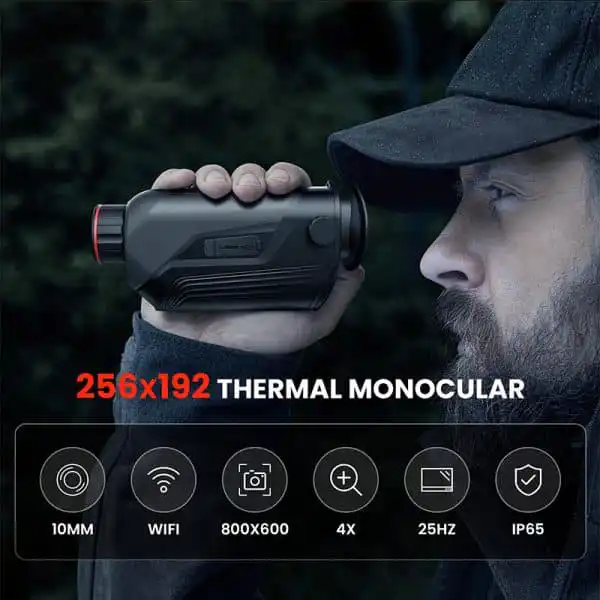
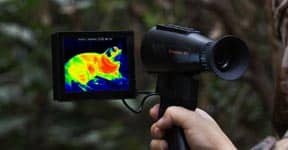
The lens and field-of-view relationship explains why focal length must be considered with sensor dimensions. native thermal specification fields and separate output dimensions keep the comparison honest. A larger screen or digital enlargement does not establish that the detector acquired more original subject information. Ask for the native view at the ordinary coverage distance, not only a dramatic close-up.
Use a Stated Subject Size Rather Than a Generic Range Figure
A demonstration of a large exposed target cannot automatically establish performance on a smaller animal. The body area visible between parked objects may be smaller still. Specify the information needed: an activity note, a broad outline or a genuinely resolved distinguishing feature.
questions about useful target detail and location versus confirmation help separate those requirements. The thermal-infrared image principle does not make concealed body areas available. Do not transform a detection range into a guaranteed recognition distance, and do not use uncertain thermal appearance as proof of identity or intent.
Count the Movements Needed to Cover the Visible Boundary
From the planned stationary position, compare how many deliberate sectors are needed at native view. Use ordinary landmarks and pause to interpret possible activity. The goal is to understand the coverage burden, not to prescribe an exact sweep speed or claim that one session observes everything.
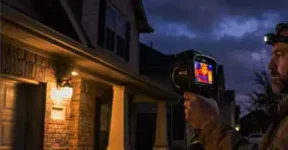
motion response in thermal viewing matters alongside field width. comfortable binocular handling determines whether the complete routine is practical. Try the real battery and approved support; do not infer a useful operating posture from a bare product photograph. A more expensive long-lens arrangement can be less appropriate if it makes the actual coverage routine unnecessarily awkward.
Keep Cost Separate From Unsupported Performance Assumptions
Once the coverage and detail requirements are clear, obtain current quotes for the complete supported kits. Identify batteries, cases, mounts and data accessories where applicable. Do not calculate value by dividing an unexplained maximum distance by a promotional price.
whole-system value and entry-level binocular priorities provide better questions. Confirm actual kit contents and service terms without inventing future costs or universal warranty coverage. A lower-priced system can be adequate for a modest activity record; a higher-priced system is worth considering only when its documented capabilities address a real unresolved requirement.
Ask for a Demonstration That Matches the Viewpoint
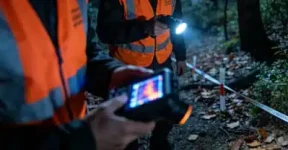
Provide a simple sketch and request a native-view sample at comparable subject size and distance. Identify focus, enlargement and active channel. Keep any lack of equivalent conditions visible rather than ranking unrelated demonstration clips as if they were controlled tests.
reasons to postpone a binocular purchase and thermal system evidence checks can guide the final decision. Choose useful visible coverage and adequate original detail first, then compare current total cost. No price premium removes obstruction, weak contrast or an undocumented interpretation boundary.
Set the visible coverage and detail requirement before comparing prices. Ask for native-view evidence at a comparable viewpoint and pay for capabilities that address the stated task, not an unexplained distance claim.