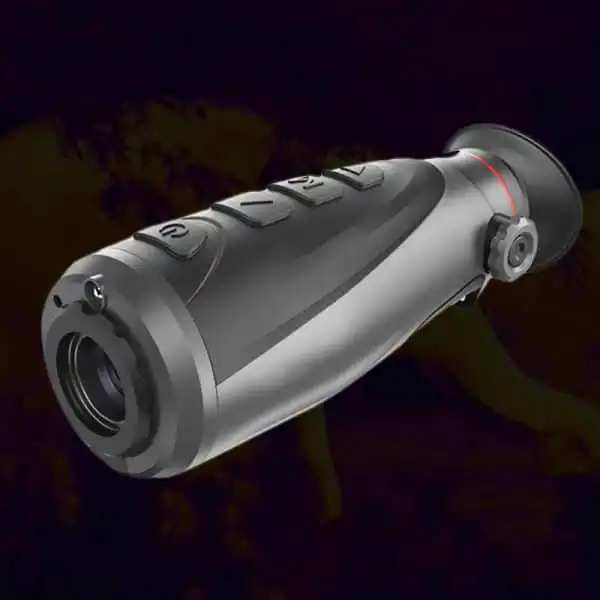
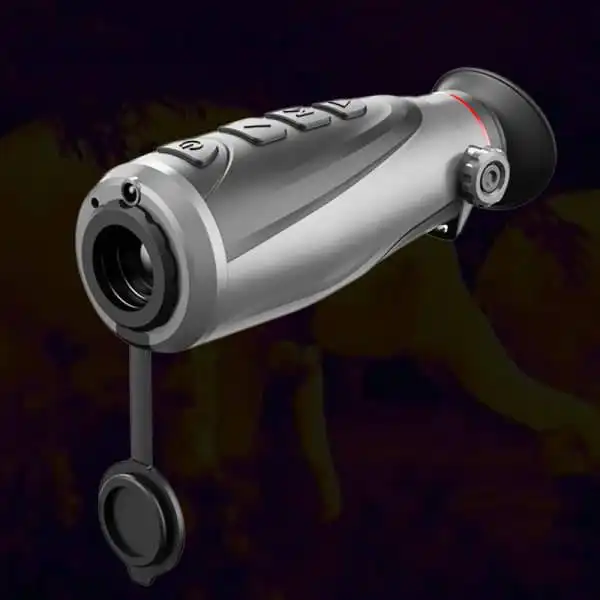
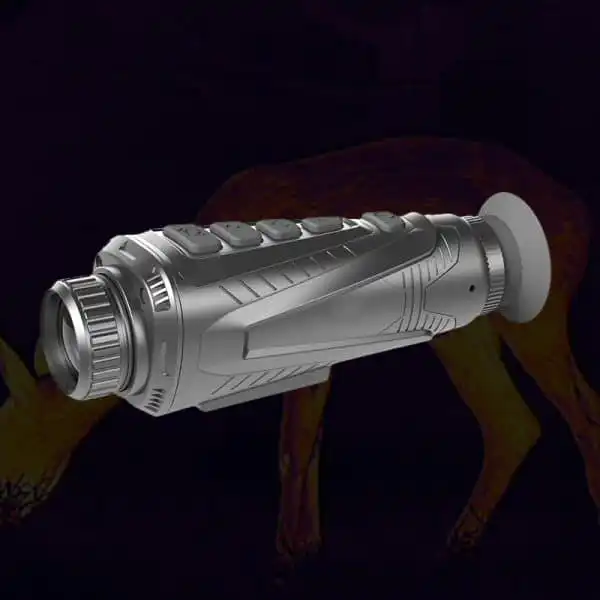
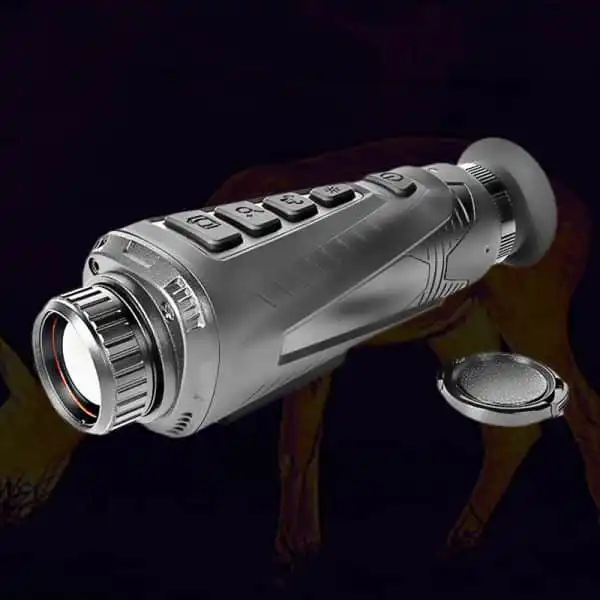
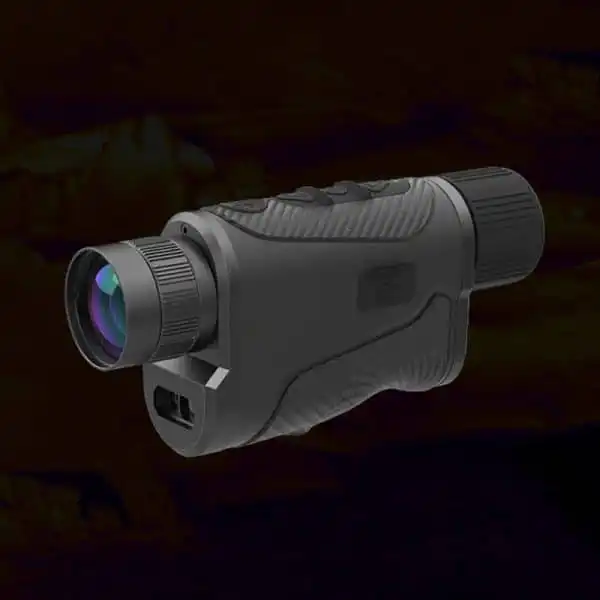
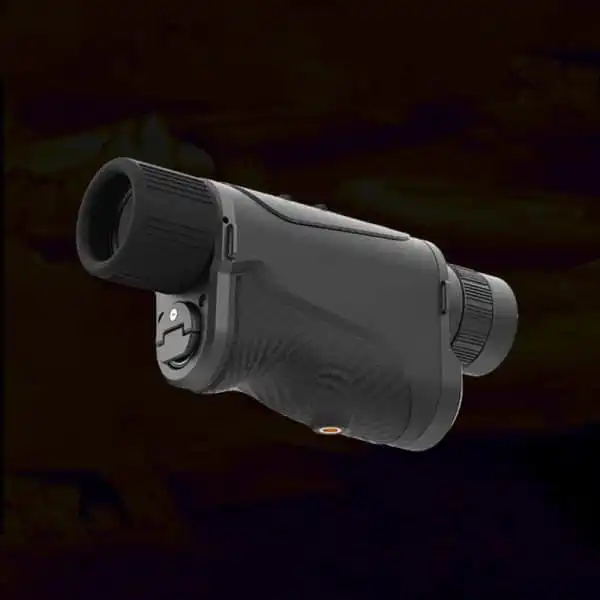
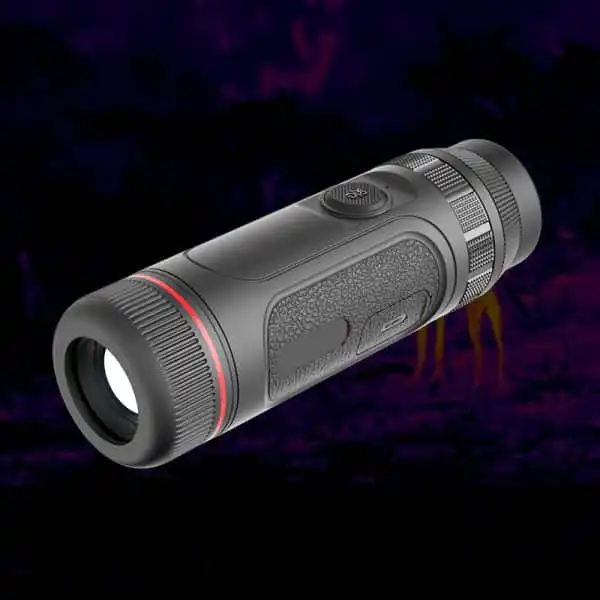
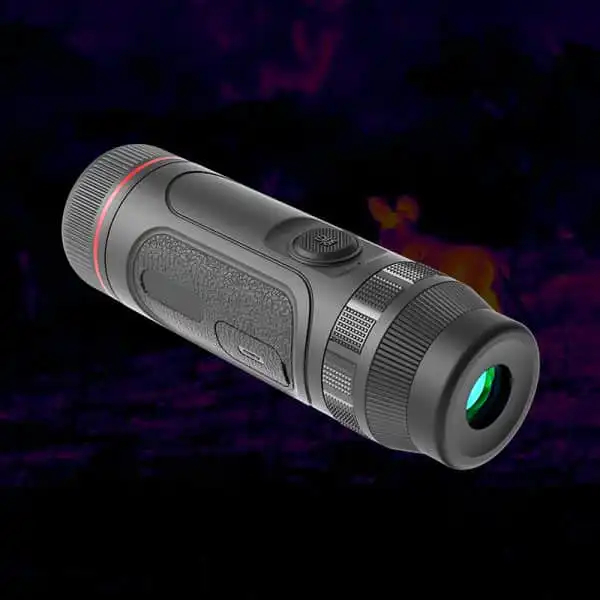
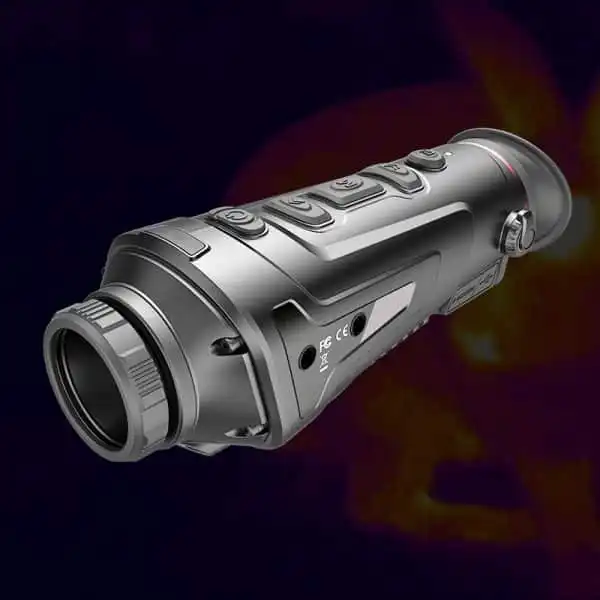
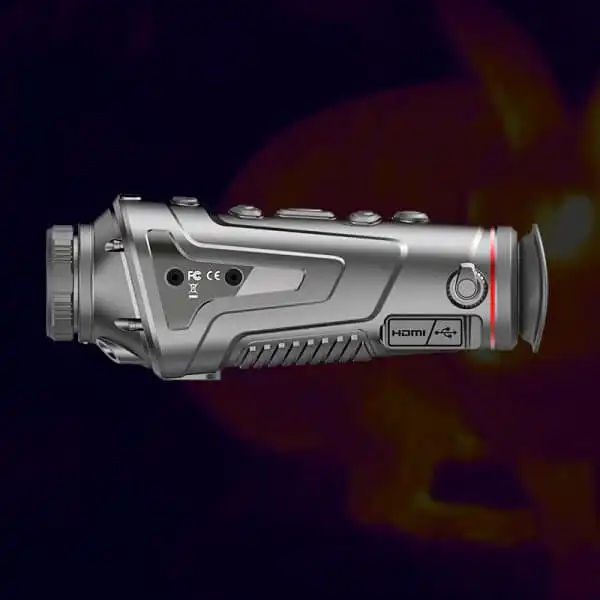
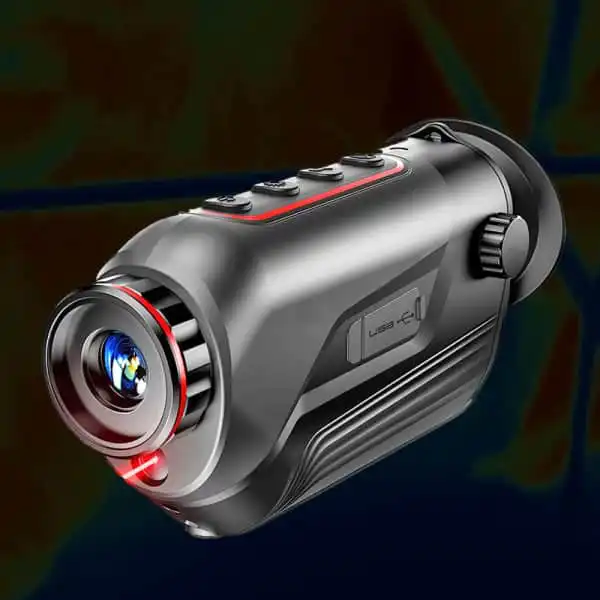
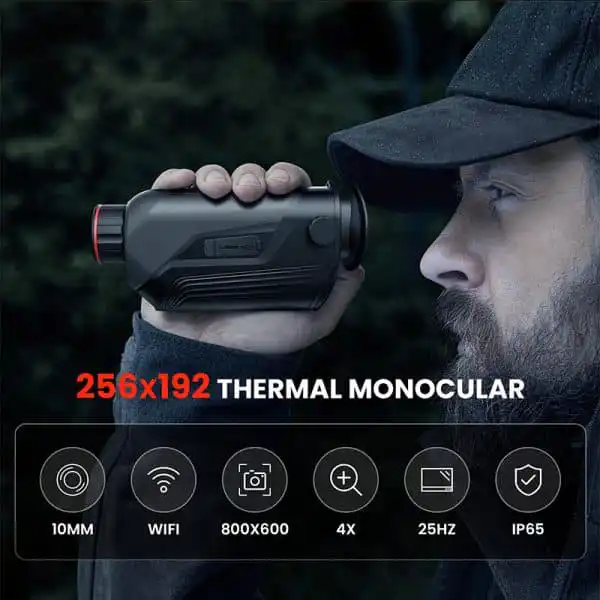
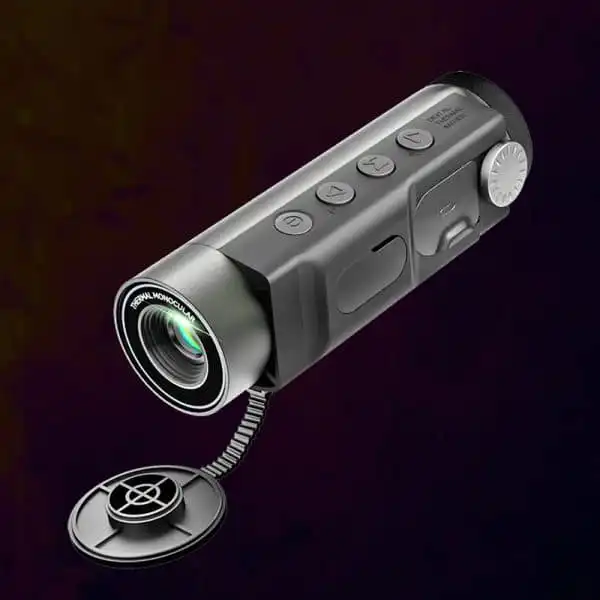
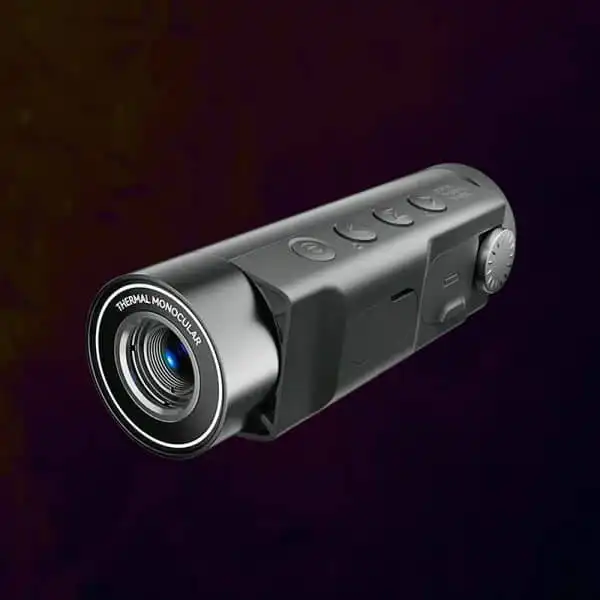
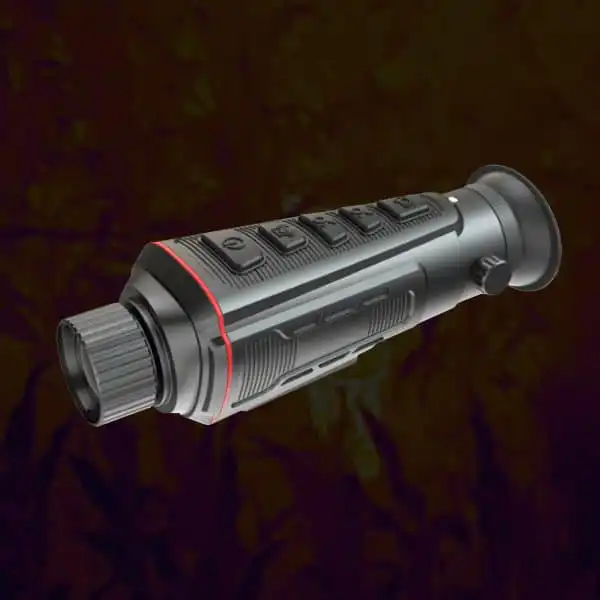
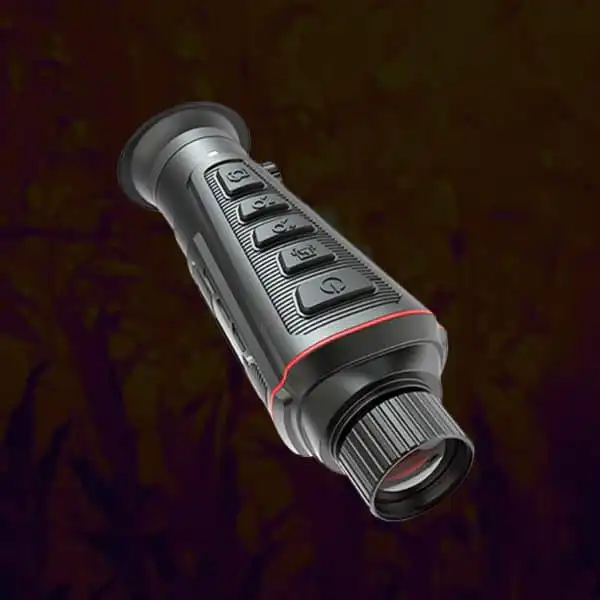
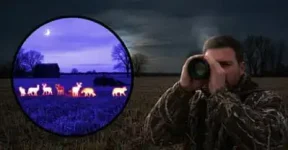
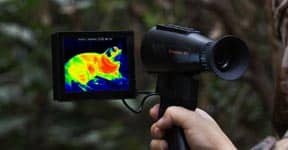
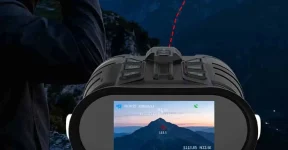
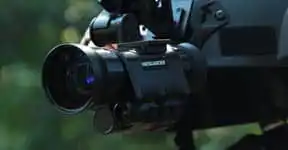
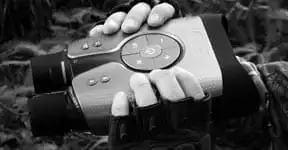
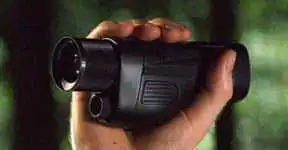
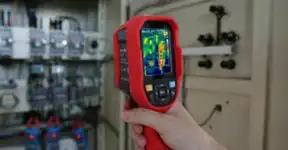
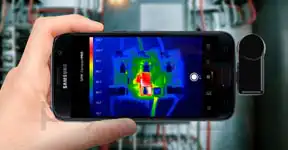
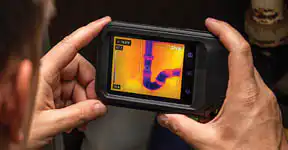
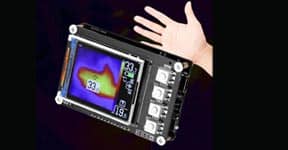
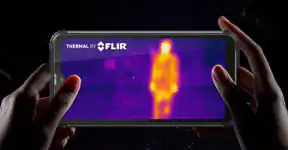
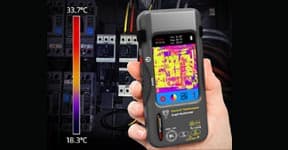
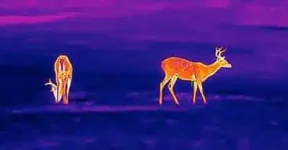
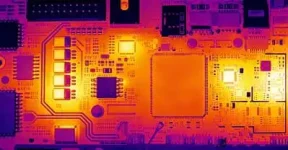
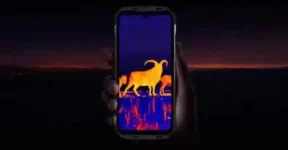
Thermal monocular hunting observation near an outbuilding should distinguish exposed animals from patterns on siding and other reflective surfaces. A warm-looking shape on a panel can be reflected infrared information rather than an animal behind it. Preserve the surrounding view and, where ordinarily accessible, compare a second viewpoint. Thermal imaging does not establish what is inside an opaque wall.
Thermal Monocular Hunting Views Can Be Misleading Beside Siding
A bright shape at the edge of an outbuilding can appear persuasive when tightly cropped. The full frame may show that it follows a shiny panel, a vehicle side or a metal door. An observer interested in ordinary wildlife activity needs to know where the pattern sits before interpreting what it means. Native resolution does not remove this need for scene context.
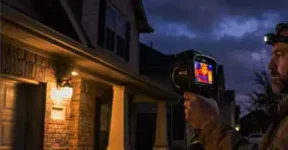
Use exterior detail evaluation and authorized property observation to plan a viewpoint away from restricted work. Mark panel edges and open gaps in a daylight sketch. matching a monocular to the observation task should address those obstructions explicitly. A device can image radiation received from a visible surface without revealing animals behind the surface, regardless of how convincing the displayed outline appears.
Use Two Ordinary Viewpoints Without Chasing the Pattern
If two positions are already accessible and permitted, compare the surface with recognizable landmarks retained. Do not enter loading areas, climb structures or approach active equipment to obtain a better angle. Record whether the patch shifts with the panel geometry or whether an exposed subject visibly crosses open ground. If the distinction remains unresolved, leave it unresolved.
Bring woodland-edge interpretation limits and open-field observation habits into the notes. monocular buyer priorities still favor a usable original view over repeated digital enlargement. An animal hidden by a wall has not become visible just because a warm-looking shape appears on that wall. A second angle can add context only where it provides a real line of sight.
Consider Reflection Before Assigning a Heat Source
Surface finish and viewing direction can influence the balance between emitted and reflected infrared information. An apparent patch may change when the observer moves while the panel itself remains stationary. That change is a clue to interpretation, not a universal reflection test or a way to calculate the true temperature of an unknown surface.
Read thermal infrared imaging concepts alongside unusual image-pattern checks. The buyer should distinguish a viewing aid from a calibrated temperature instrument. resolution and measurement specification boundaries keeps NETD, absolute accuracy and screen pixels from being merged into one claim. display contrast behavior can further emphasize an edge; strong display contrast alone does not identify its physical cause.
| Observation | Evidence to keep | What it supports |
|---|
| Panel-bound shape | Full frame with fixed edges | A surface-related pattern, not proof of an animal |
| Changed viewpoint | Permitted positions and retained landmarks | More geometric context |
| Exposed crossing | Original continuous movement in open sight | Observable activity with stated uncertainty |
| Pixel claim | Native array, output, display and file fields | A valid specification comparison |
Request Samples That Include the Hard Background
Ask for original footage near comparable siding, at a disclosed distance and with the digital zoom state recorded. A seller’s open-meadow demonstration may show detail well while failing to address reflection-heavy surroundings. Keep native detector resolution, enhanced output, display dimensions and saved-file size separate when comparing the evidence.
Use realistic monocular expectations, whole-system purchasing priorities and outdoor monocular handling to identify useful questions. A higher-cost viewer may improve sampling but still cannot promise identity or penetrate opaque structures. Evaluate whether the optics and controls let the observer inspect the scene calmly. The purchase decision should follow a demonstrated benefit in this setting, not a claim that a larger pixel label resolves every ambiguous surface pattern.
For a demonstration brief, describe a panel beside an open passage and ask that both remain visible in the sample. Mark the passage as a possible real line of sight and the panel as an opaque surface. If a bright pattern seems to move, note whether it moved relative to the panel edges or only changed appearance when the observer shifted. Keep that distinction in words as well as the clip. Do not calculate a surface temperature or identify a hidden animal from it. An offer that provides a contextual sample can be evaluated more meaningfully than one supplying only a dramatic crop. The remaining ambiguity is a result worth retaining, not an invitation to invent a stronger product claim.
Ask the seller to demonstrate the difficult background, not just the easiest animal close-up. Keep unresolved surface patterns out of any claim about hidden wildlife.