Thermal Night Vision Records Need a Denominator
Ten saved clips from a long evening cannot be compared fairly with two clips from a few minutes at the window. The difference may reflect effort, not wildlife activity. Define a normal observation interval and keep it even when nothing obvious appears. Note whether the instrument was watching continuously or the observer looked only after hearing a sound.
Start with backyard binocular observation and garden recording interruptions. Write the time available to the observer beside the number of visible events. nocturnal recording questions helps separate a supported recording feature from an automatic detection function that has not been disclosed. Do not describe a manually collected clip folder as an unbiased monitoring study or assume the viewer watched the garden while it was switched off.
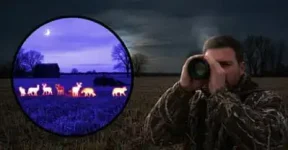
Thermal night vision garden records become more useful when each sighting is tied to a defined observation interval and visible area. A clip of an animal is evidence of an event, not a census of the garden. Record when you watched, what was obscured and whether the animal could have returned. Compare routines before comparing the number of recorded clips.
Decide What Counts as One Event
An animal can leave the frame behind a hedge and appear again moments later. Counting each appearance as a new individual inflates the conclusion. Describe the event rule in ordinary language: for example, a continuous visible crossing is one event, while an unresolved return remains uncertain. The rule is a local note-taking choice, not a scientifically validated population estimate.
Use motion sequence interpretation and open-ground viewing context to preserve the gaps. thermal image formation concerns received infrared information, not individual identity. A similar warm outline is insufficient to distinguish two unmarked animals. subject-background contrast can change during the interval, so a weaker patch later does not necessarily mean a smaller or different visitor.
| Observation | Evidence to keep | What it supports |
|---|
| Effort | Start, finish, interruptions and viewing position | A fair comparison between visits |
| Visible event | Continuous route and any disappearance | Activity without an invented individual count |
| Unknown area | Obstacles and changed garden layout | A stated coverage limit |
| Original file | Clip, clock check and session note | A reviewable observation record |
Retain Quiet Intervals and Obstructed Areas
A garden map should show what the viewpoint cannot cover. A wall, dense hedge or closed shed remains outside the observation even if the saved clips look clear. Record changes such as a moved chair or foliage that closes a previously visible gap. This makes an apparent change in activity easier to interpret without pretending to detect through obstacles.
Pair private-yard viewing choices with task-led observation criteria. For contextual night activity recording, a missing event can mean absence, obstruction, interruption or simply a missed look. Keep those explanations available. Do not publish a precise detection percentage, population trend or behavioral conclusion from casual sessions unless a suitable method and evidence actually support it.
Buy Recording Tools That Preserve the Log
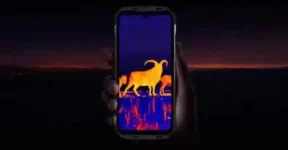
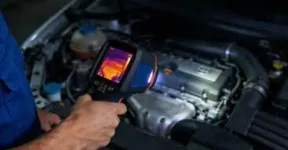
A useful viewer should make it practical to retain the original clip, the session note and the correct time reference. Confirm the exact recording format, whether the displayed clock is stored in the file and how time is set after a reset. Those details vary; an image bearing a timestamp is not proof that all exported files retain it correctly.
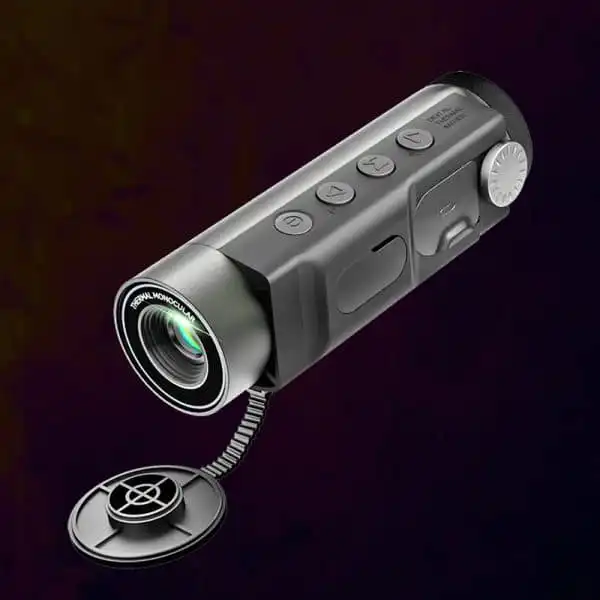
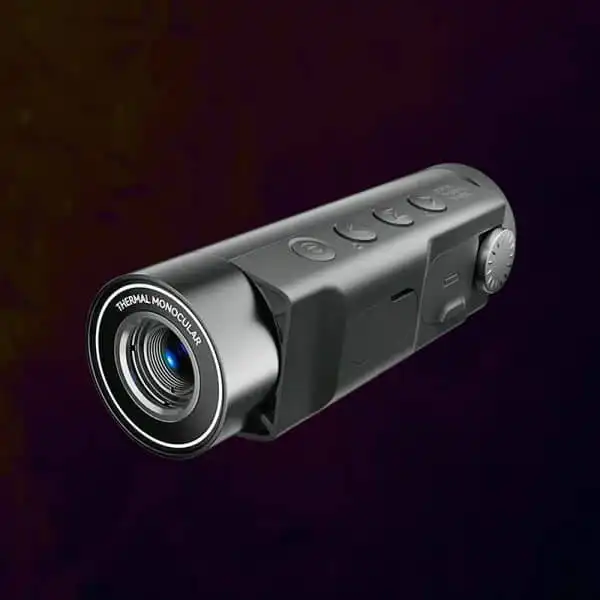
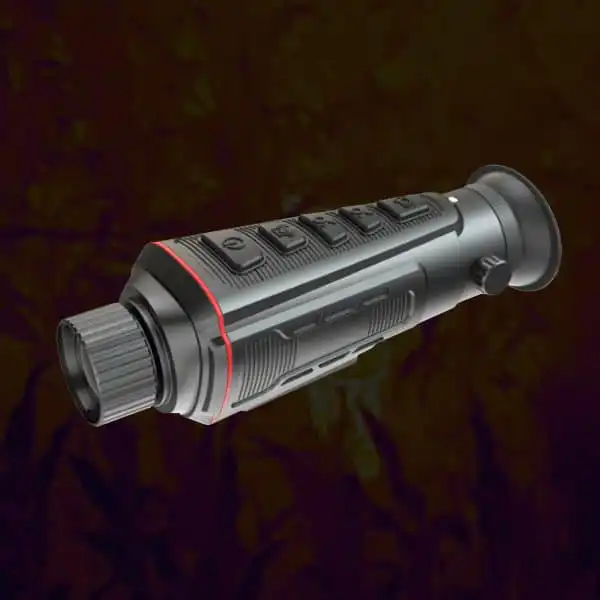
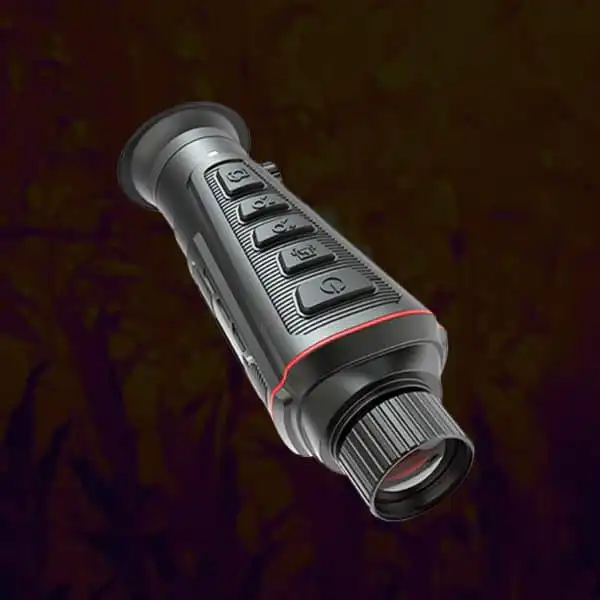
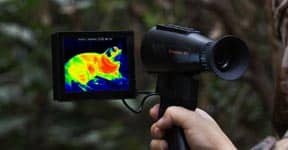
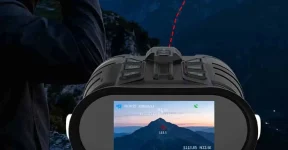
Use wildlife footage export checks, camp recording file management and viewing-format alternatives when preparing a buyer request. Test one normal session from capture to playback before relying on the workflow. Keep illustrative pictures separate from observation evidence. Choose features that reduce missing context, not merely features that produce more files. A smaller, well-labeled record can be more useful than a large collection of unexplained bright shapes.
A practical garden sheet can have one row for each planned visit, including visits with no saved event. Record the visible sector, observation duration, interruptions and number of uncertain returns separately. Suppose a similar outline appears before and after a hedge gap: retain both file references but do not automatically name two individuals. If the observer looked away during the gap, say so. A later reader can then decide whether the material answers a modest activity question. The sheet should not imply a calibrated detection rate, and it should not compare a full evening against a brief glance as equal effort. Better records begin with the ordinary missing context, not an elaborate statistical claim.
Keep the quiet sessions as well as the interesting clips. A clearly bounded activity log answers more honest questions than a highlight reel presented as a complete account of the garden.