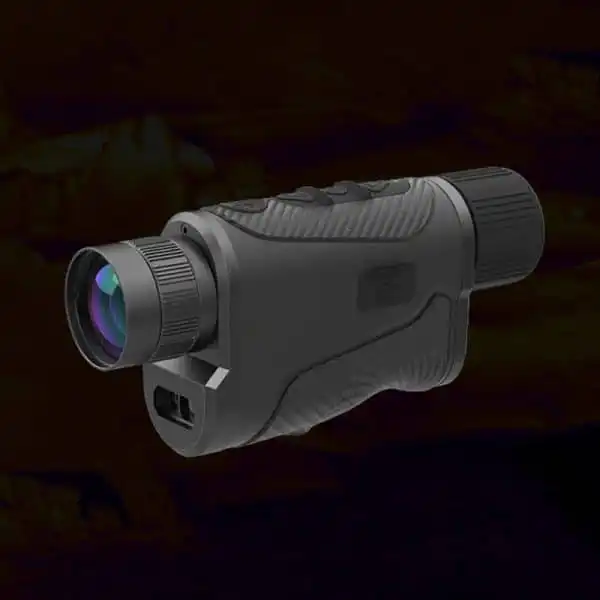
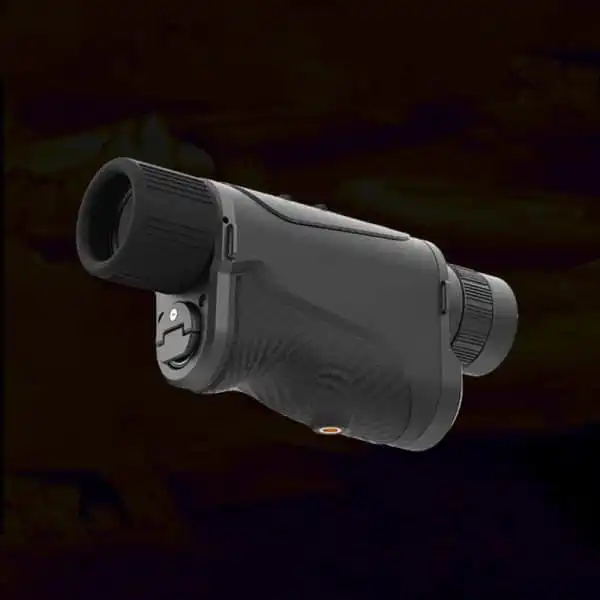
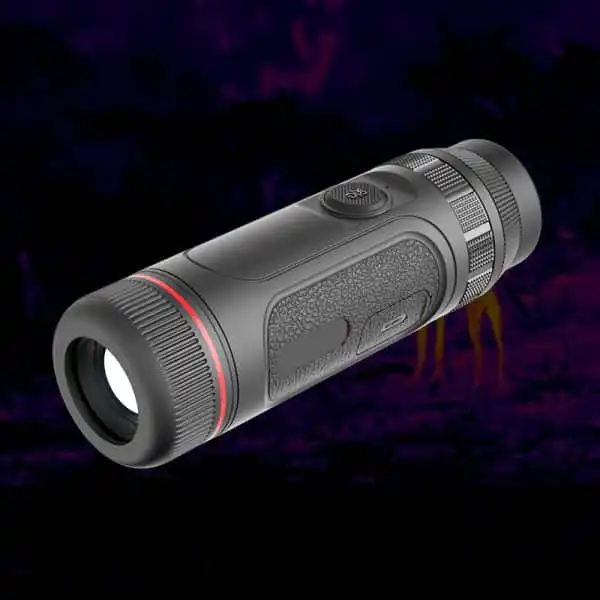
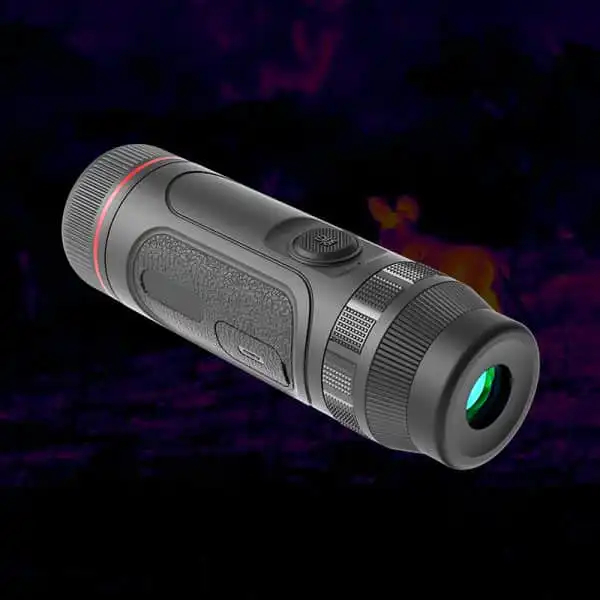
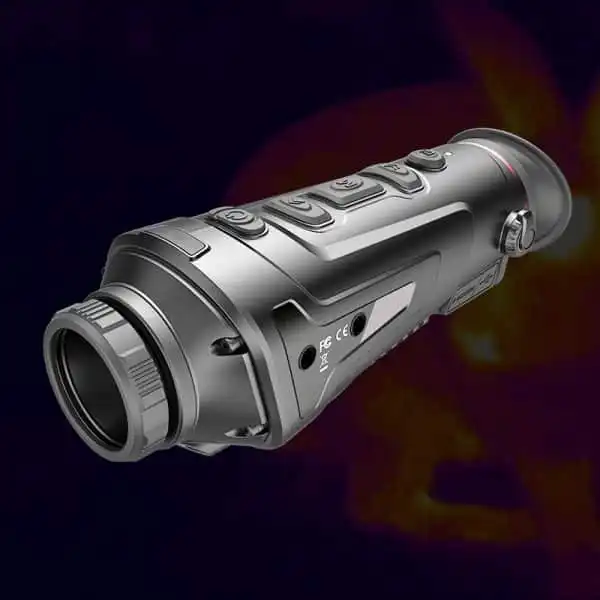
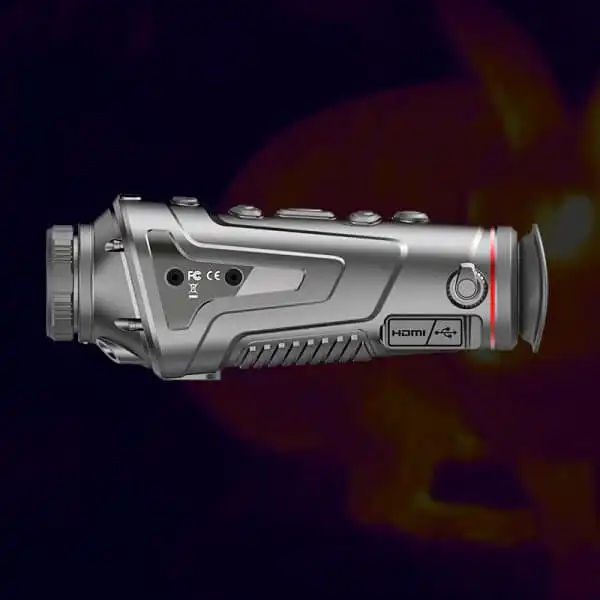
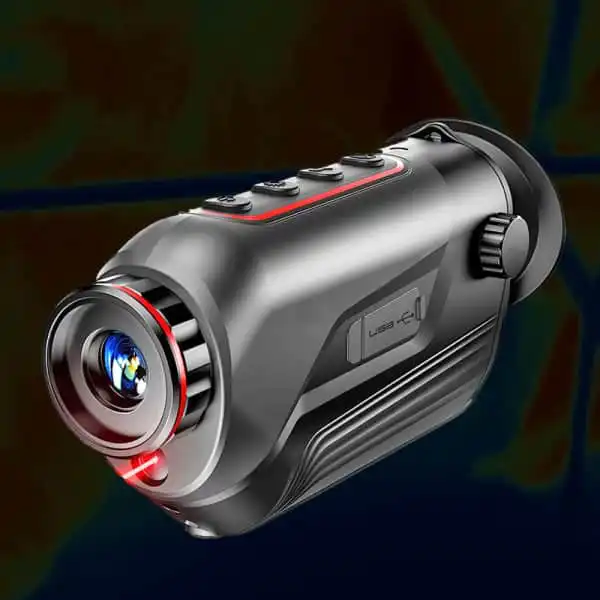
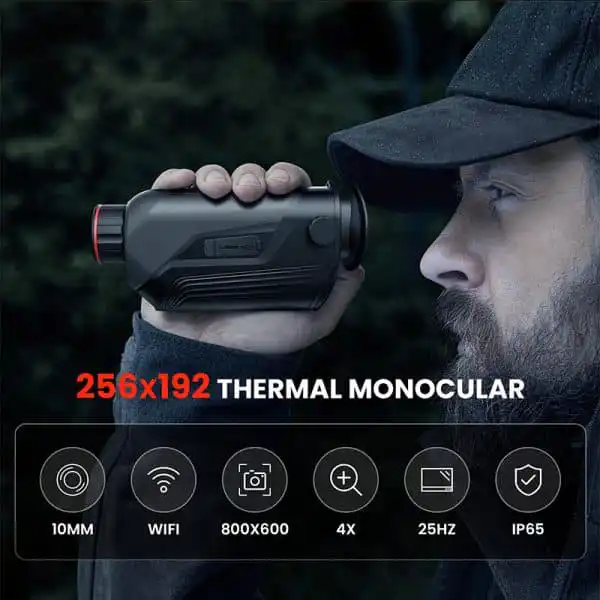
Best Night Vision Thermal Binoculars Need a Real Daytime Scene
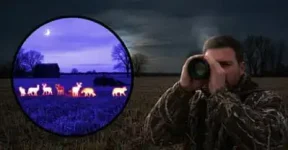
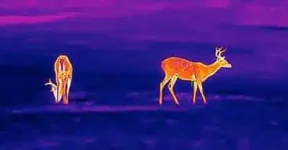
A large-property owner may watch an animal move from open ground into shaded vegetation. The optical problem changes across that route: different surfaces hold heat, leaves interrupt the body and the digital channel may respond to changing light. thermal outdoor background conditions should be part of the comparison rather than assuming darkness is the only meaningful test.
Use task-first thermal equipment selection to define which body feature should remain available during that movement. This is supplementary wildlife viewing, not an assurance of complete property coverage. A detector that notices a body in one opening may not resolve it behind the next branch. Record the visibility conditions rather than describing every difficult shaded view as a product defect.
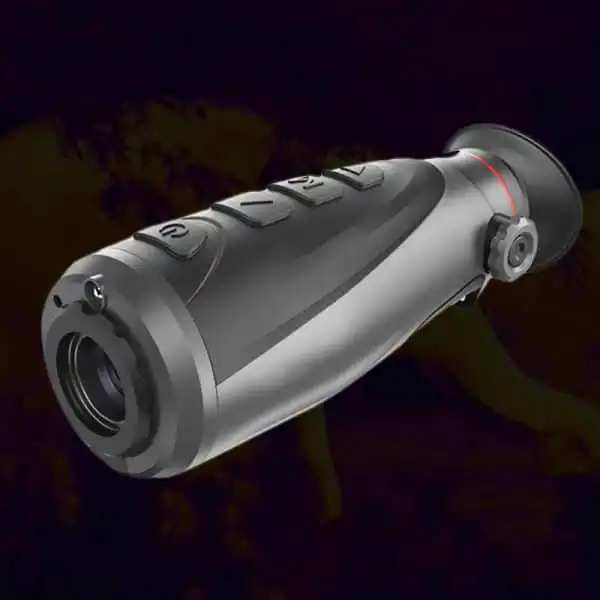
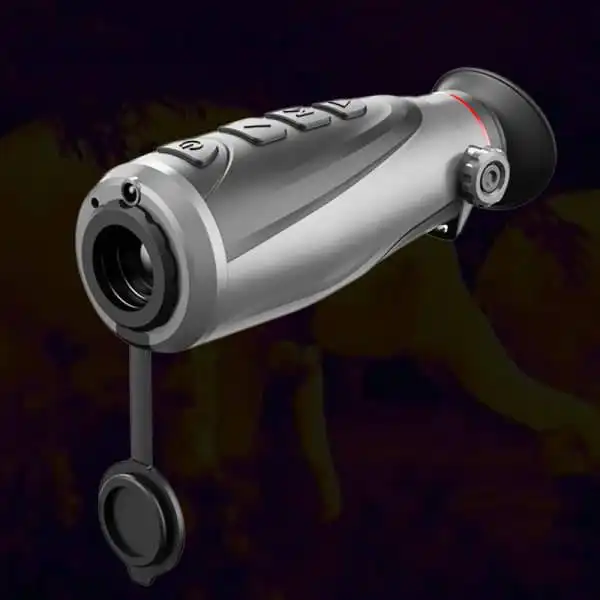
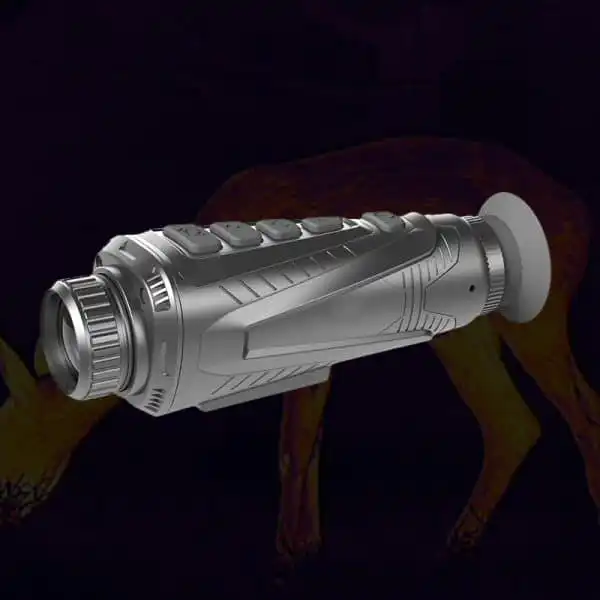
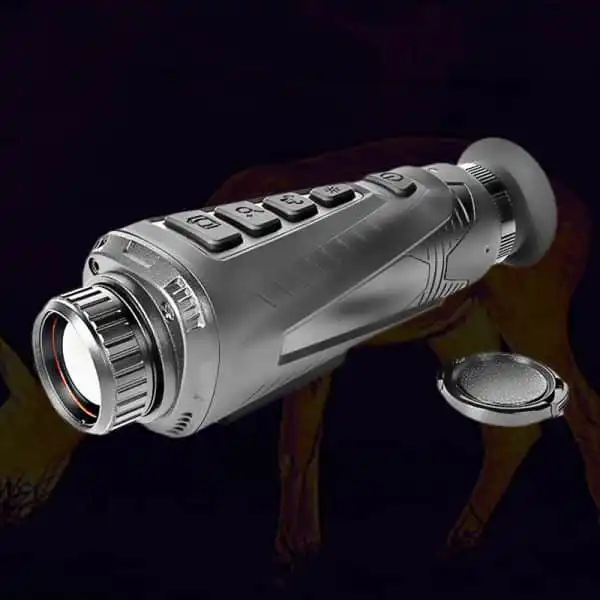
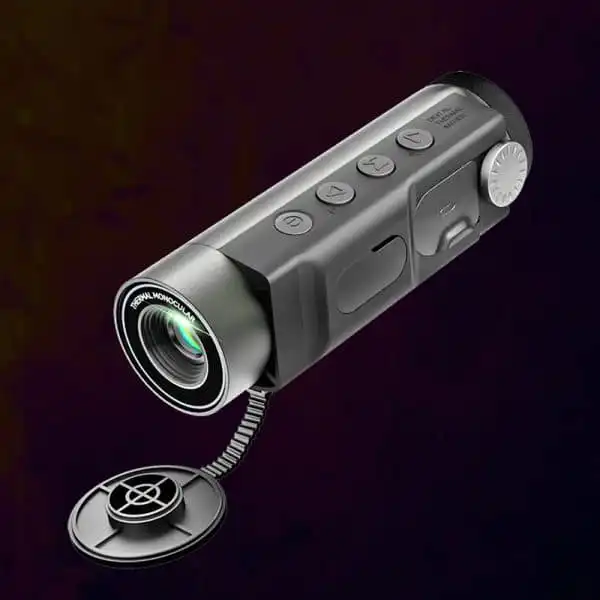
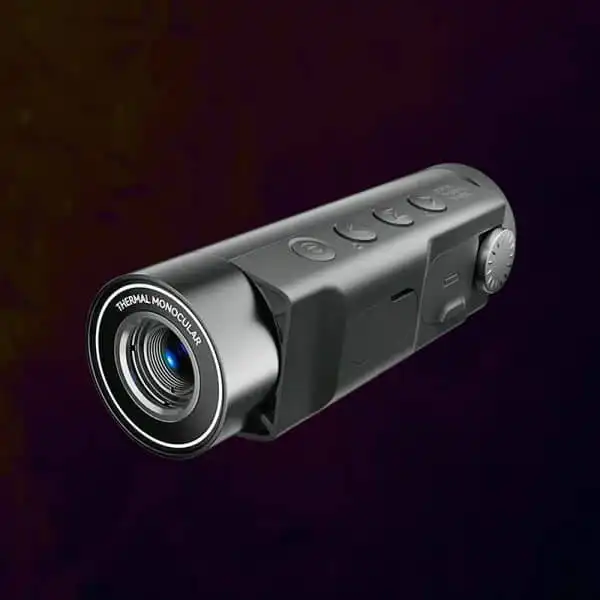
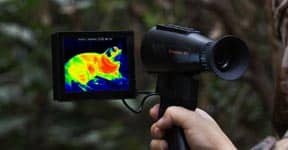
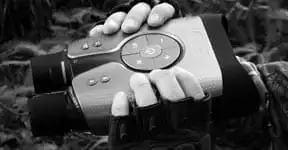
Best night vision thermal binoculars can support some daytime wildlife observations when an exposed body contrasts with the background. Shade does not guarantee stronger contrast, and a bright digital view does not establish detailed thermal evidence. Compare original moving views through the actual sun-to-shade scene while keeping channel exposure, native samples and output dimensions separate.
Compare Contrast Where the Subject Actually Crosses
A shaded background can help in one scene and offer little separation in another. The general relation between contrast and resolvable image detail explains why detector pixels alone do not guarantee a distinguishable outline. Look at original moving footage, not a still selected from the clearest moment.
Review rural binocular observation priorities at the intended position. refresh and thermal movement behavior should be evaluated with ordinary panning and an exposed animal. Digital enlargement may make a fragment larger while showing less of the route. A higher advertised refresh figure cannot establish every aspect of live delay or saved motion, and strong processing may change the appearance without restoring occluded features.
Read the Digital Exposure Independently of the Thermal View
A bright, colorful digital image can be useful appearance evidence while the thermal array contains fewer body samples. thermal and digital channel specification checks should retain this separation. The emitted versus reflected infrared distinction supplies the signal context without predicting the behavior of the exact unit.
Use multispectral resolution fields to keep native array, enhanced output, display and file sizes independent. Do not deliberately direct the optics toward intense sources to imitate a lighting problem. Near-infrared illuminator options primarily concern the relevant digital channel and conditions, not a direct improvement to the thermal detector. Confirm the actual channel architecture instead of assigning illumination wavelengths as thermal-resolution upgrades.
Choose Handling for a Repeated Change of View
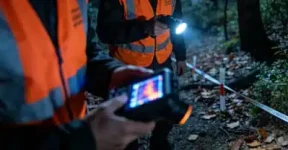
Following an exposed animal across a shaded boundary can require a mode switch, a brief focus change and a return to base coverage. straightforward binocular control checks should include these transitions while the observer remains stationary.
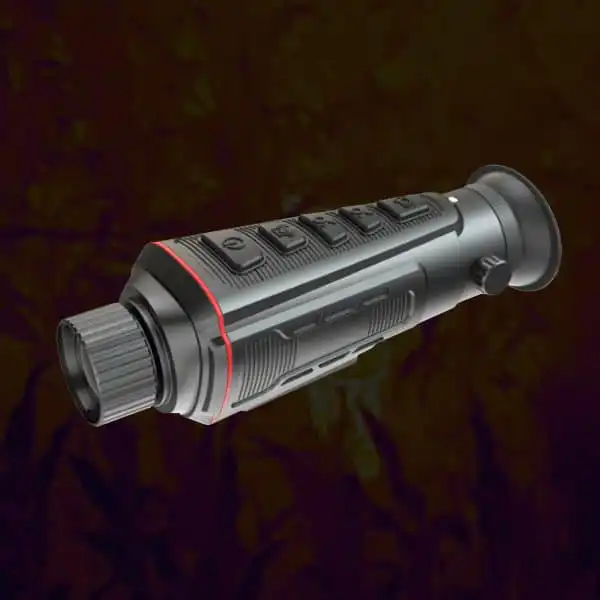
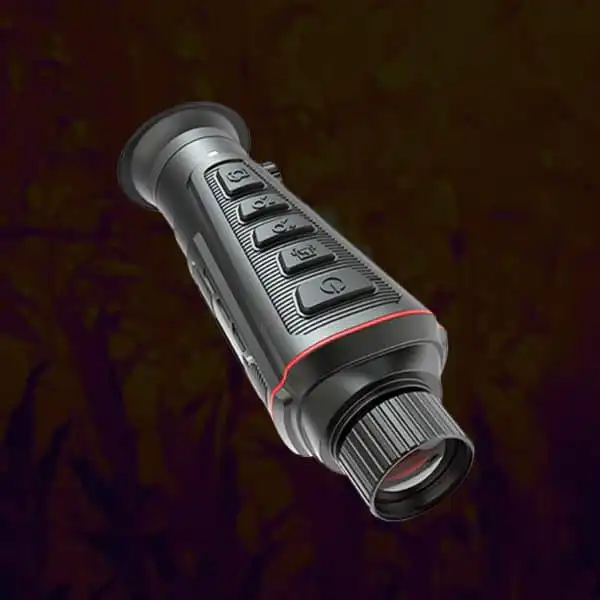
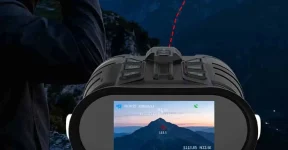
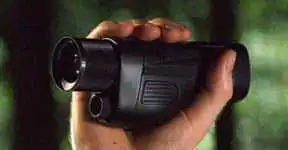
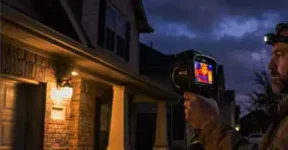
Compare two-eye fit over longer observation with the complete mass and shape, not only the device-only number. A bulky monocular’s handling problem may or may not be improved by a binocular. Individual diopters still need setup. Ranging markers, menus or compass displays may be shown live without appearing in the saved file; their inclusion is a recording function that requires a sample, not an assumption from the interface.
| Daytime comparison |
Evidence to request |
What it does not prove |
| Sun-to-shade route |
Original moving thermal view |
Shade is not an automatic contrast advantage |
| Digital appearance |
Separate exposure and sensor information |
Brightness is not thermal detail |
| Mode change |
Stationary controls and focus |
Do not lose the original event context |
| Optional premium |
Specific missing task evidence |
Do not pay for irrelevant mode counts |
Preserve the Event Before Changing Power or Software
A removable battery change can alter the view or interrupt recording, depending on the documented architecture. Confirm what a short completed clip retains before trying the supported transition. original-file checks for outdoor binoculars should preserve the channel and settings used.
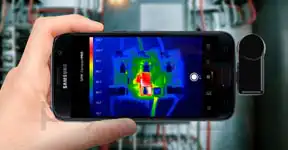
Review thermal discovery and visible confirmation through the retained sequence rather than a phone screenshot alone. If the app ceases to be supported, a local export route must already be documented before it can be relied on. Display shape or aspect ratio can also change framing. Keep a complete original where supported so a later crop does not hide the part of the subject that was actually missing.
Judge the Purchase by the Missing Observation, Not a Premium Label
Ask which feature prevents a useful record in your normal daylight scene. A different documented lens or array may answer that question; an unrelated accessory or more viewing modes may not. Confirm the exact shipped configuration, original samples and supported service.
Use questions about real animal detail and the thermal optics category to build a shortlist. No hands-on winner or current-price premium is asserted here. The value is a comfortable repeatable view that keeps contrast, motion and channel evidence distinct, while acknowledging that shade, vegetation and target size still limit the observation.
Compare the original event across the actual background change. Keep digital exposure separate from thermal contrast and test the transitions needed to retain the sequence. Choose for the missing task evidence rather than a universal premium or night-viewing label.