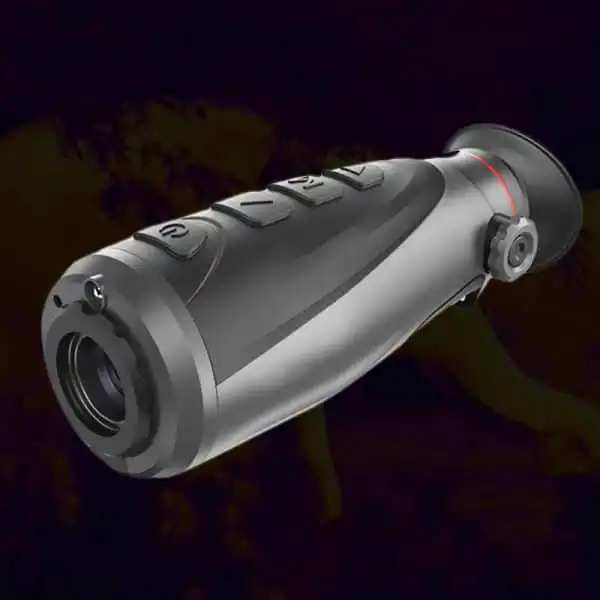
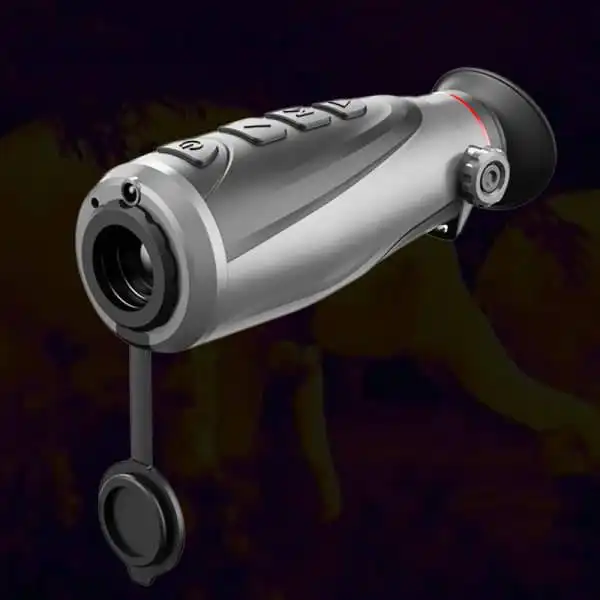
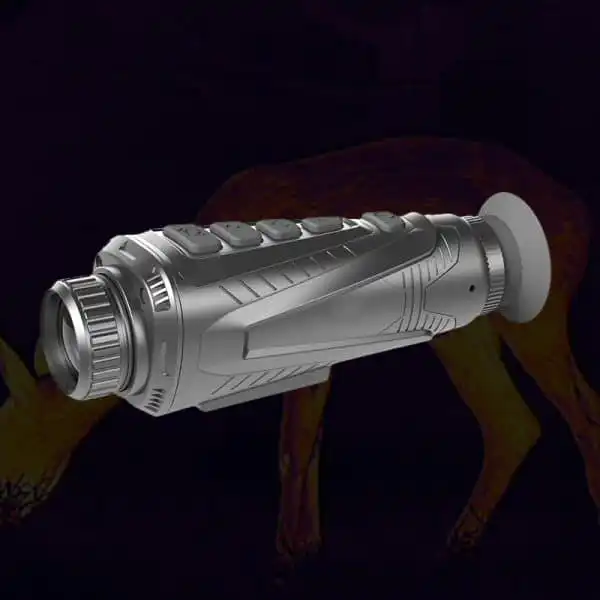
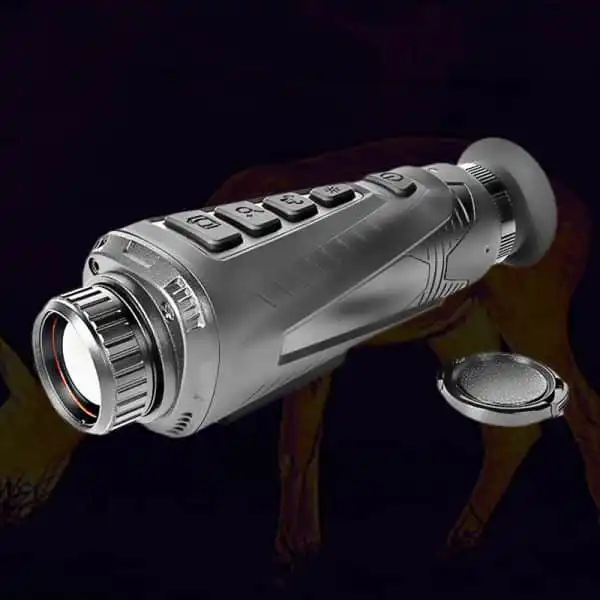
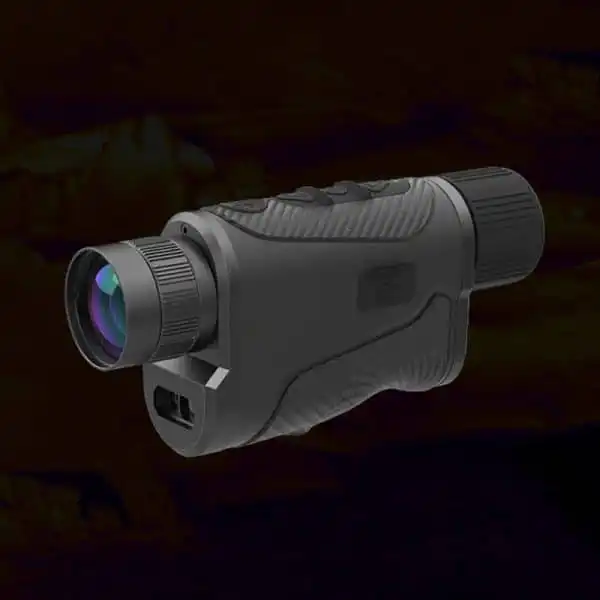
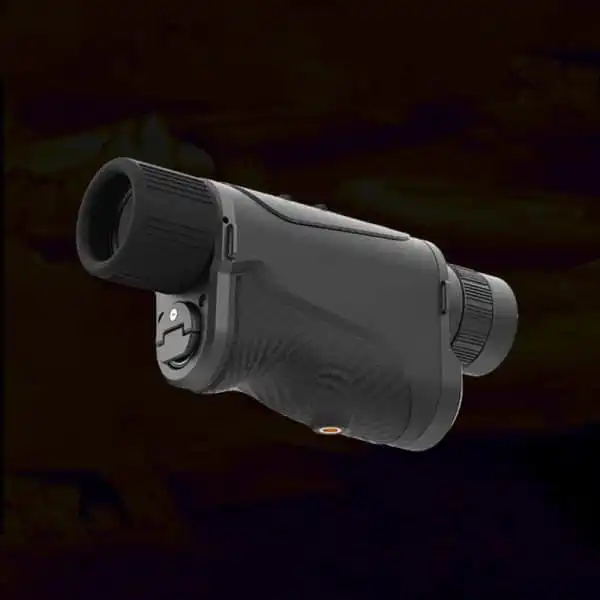
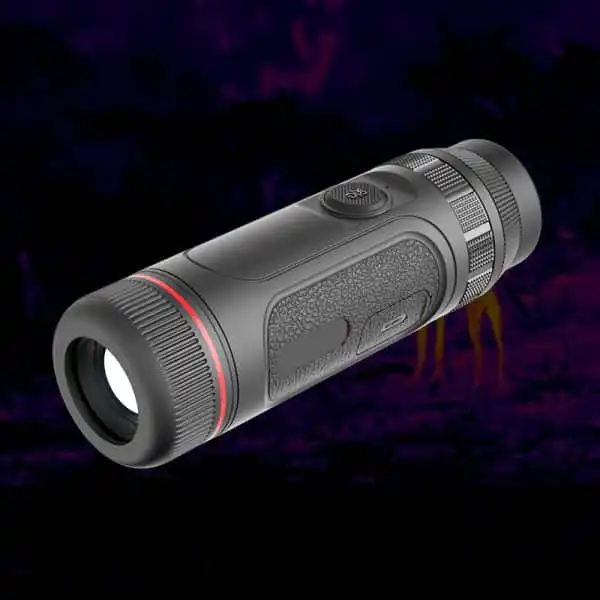
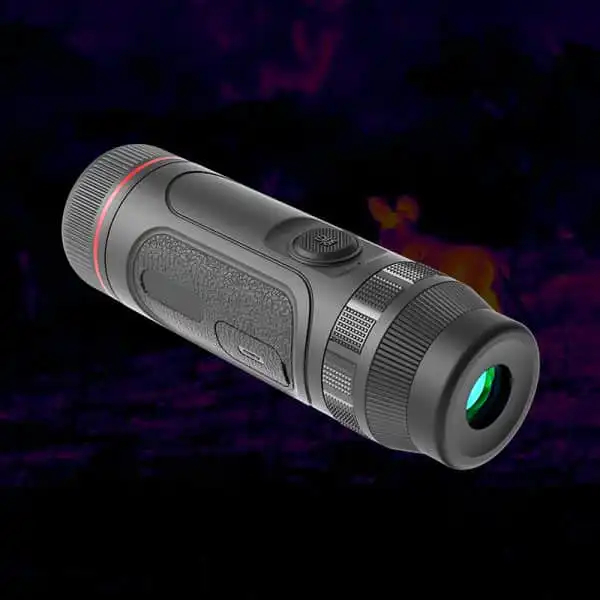
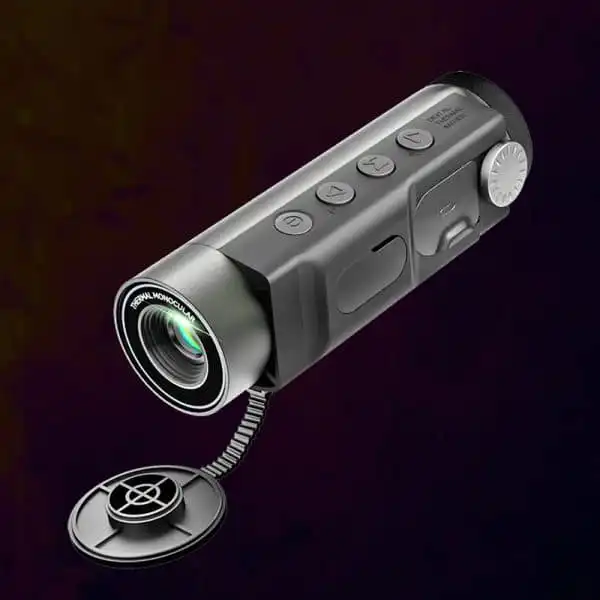
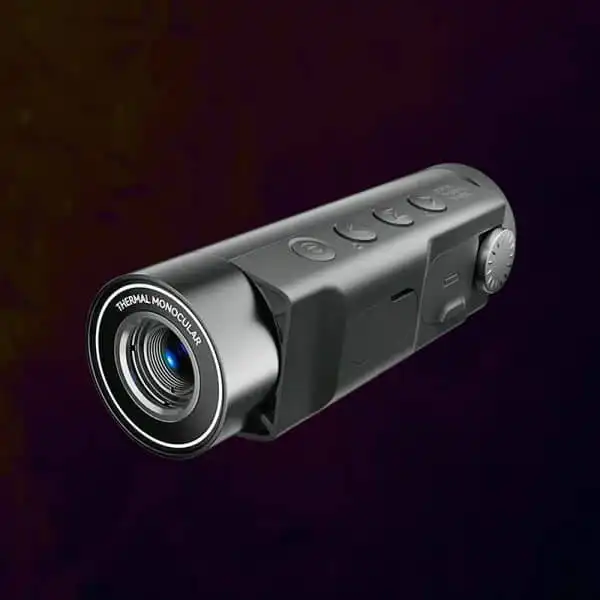
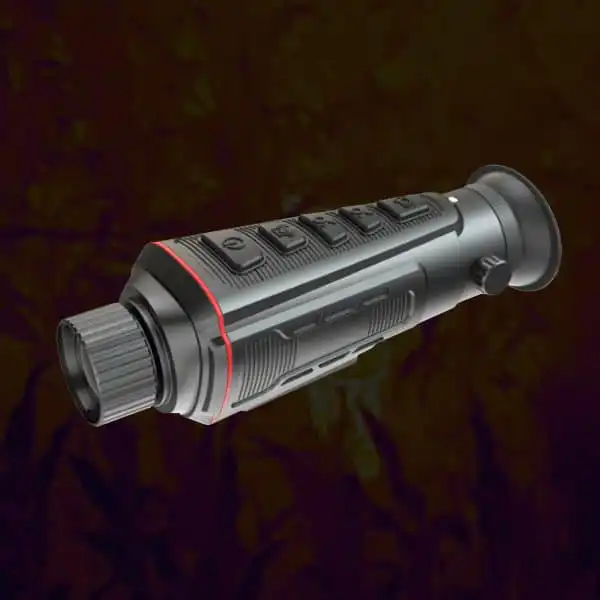
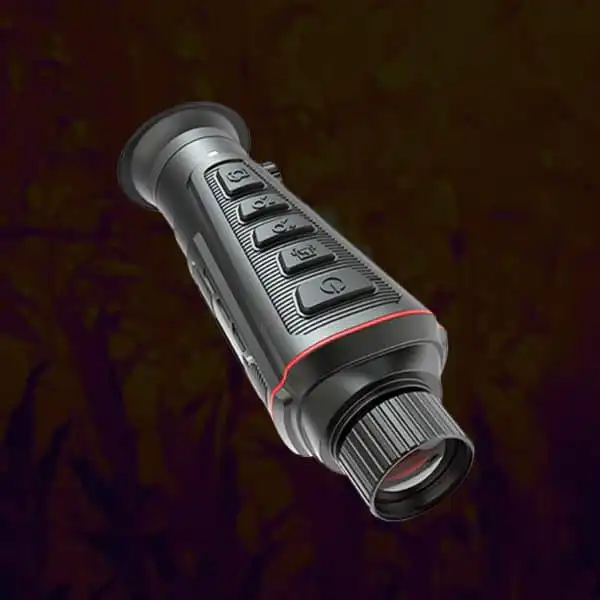
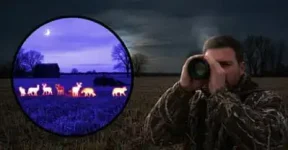
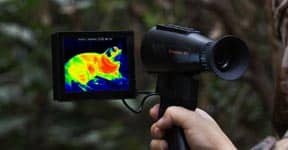
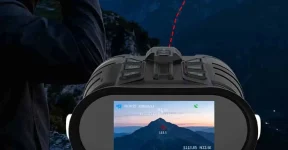
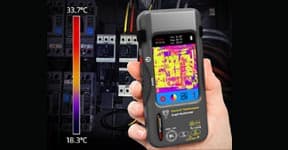
Thermal night vision optics should be compared using the same field-of-view axis and reference conditions. Horizontal, vertical and diagonal angles are not interchangeable, and a width in meters needs its stated distance. Normalize the specification before deciding which viewer covers the intended scene, then check native detail and any recorded crop separately.
Thermal Night Vision Optics Need Comparable Coverage Units
One listing may give a diagonal angle, another a horizontal angle and a third a linear width at a stated distance. Choosing the largest printed number can reverse the real comparison. Start by copying each value with its unit, axis and reference distance rather than reducing everything to an unlabeled field-of-view column.
Use specification field separation and open-area coverage planning to describe the task. A scene dimension matters only in relation to the view the observer actually needs. Keep optical coverage distinct from the visible portion of an eyepiece display. An incorrectly positioned eye can clip the display without changing the scene angle captured by the detector.
Convert Only When the Required Information Exists
For a simple symmetric horizontal view, scene width at distance D can be expressed as 2D times the tangent of half the horizontal angle. field-of-view relationships explains the geometry and assumptions. This is an illustrative calculation, not a new performance specification for an unnamed product.
Compare binocular fit considerations, eyepiece view checks and whole-system value after normalizing the actual disclosed values. Do not substitute a diagonal angle into a horizontal calculation. If axis or reference distance is missing, ask the seller rather than guessing. Optical distortion, crops and configuration can affect the practical view, so retain the original wording and verify the usable field in a supported demonstration.
| Check |
What to record |
Decision |
| Quoted value |
Exact number, unit, axis, reference distance and source for the purchased version |
Preserve missing fields instead of silently guessing them. |
| Conversion |
Only a supported same-axis conversion with stated geometric assumptions |
Do not compare diagonal and horizontal fields as equivalent. |
| Configuration |
Native view, digital zoom, stabilization and recorded crop where supported |
Keep optical coverage separate from later processing or eyepiece clipping. |
| Decision |
Normalized coverage against the actual scene and required exposed detail |
A wider number is not a universal recognition or image-quality advantage. |
Separate Native Coverage From Later Crops
Digital zoom or stabilization, where supported, can reduce the scene retained in a view or file. A photo with more output pixels does not necessarily cover more ground. recording export questions and local file inspection help confirm what the saved sequence actually includes.
image detail and contrast concepts also reminds buyers that coverage alone does not establish distinguishability. A broad field can give useful context while distributing original samples across more scene. native thermal detail should therefore be evaluated alongside normalized coverage. Keep display pixels, saved-file dimensions and the native thermal array in separate rows. Never infer recognition distance from a coverage conversion alone.
Make the Comparison Auditable
Retain a small worksheet containing the quoted value, its source, any permitted conversion and the assumptions used. Ask the seller to resolve missing axis or configuration information. A useful quote should identify the exact version because a different lens or processing arrangement may change the relevant field.
Use supplier specification questions, binocular value checks, task-led choice, supported viewing arrangements and open-field observation priorities. Compare the normalized field with the actual scene sketch and the required exposed detail. Avoid claiming one product is universally better simply because it is wider. The best choice for a narrow distant opening may differ from the choice for a broad nearby area.
For an illustrative calculation, keep distance units consistent throughout and retain the unrounded angle. Mark the result as geometric coverage, not identification range. If the quoted field is diagonal or the view is cropped, do not force it into the horizontal formula. Ask for a matching-axis specification or verify the supported boundary directly before comparing offers.
Keep every coverage number attached to its axis and conditions. Resolve missing information before using a conversion or ranking the size of the view.