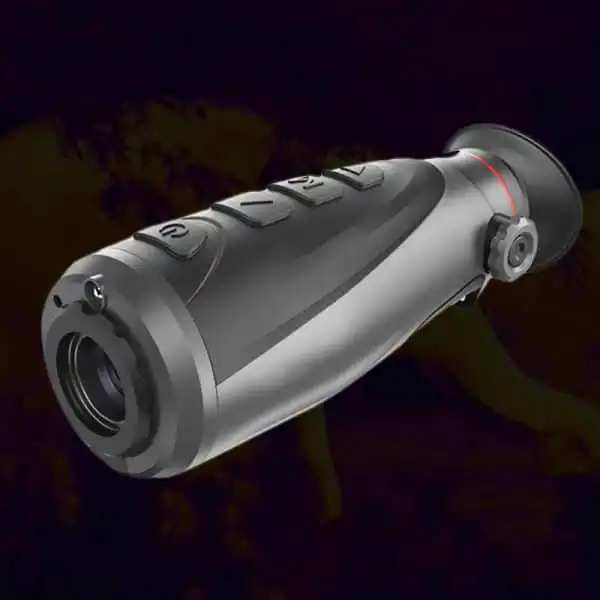
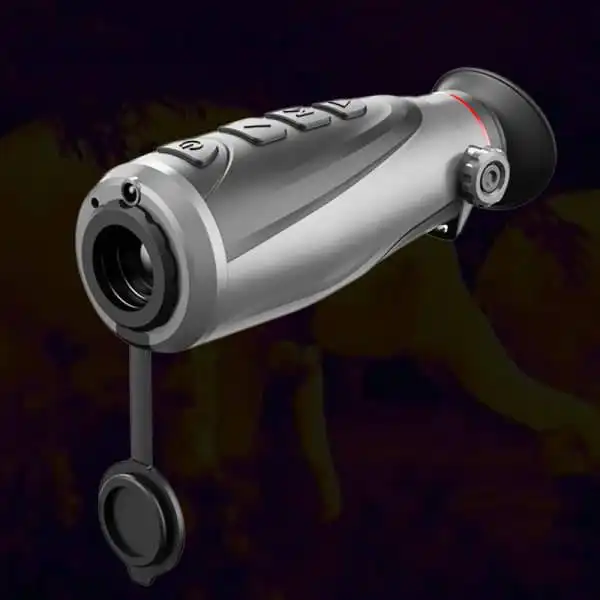
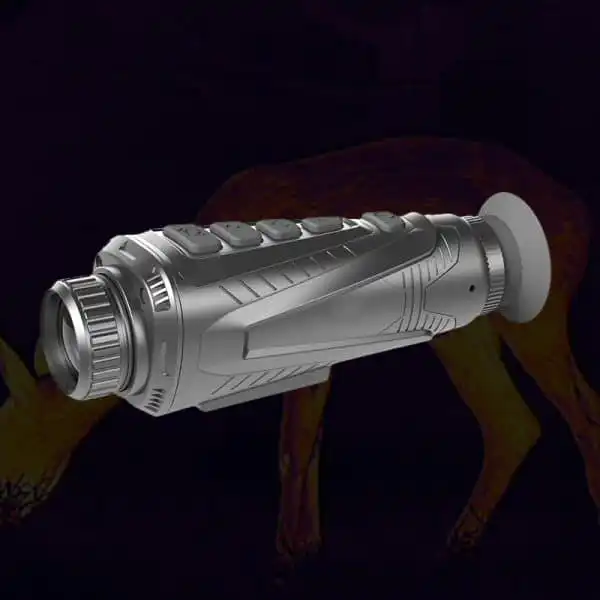
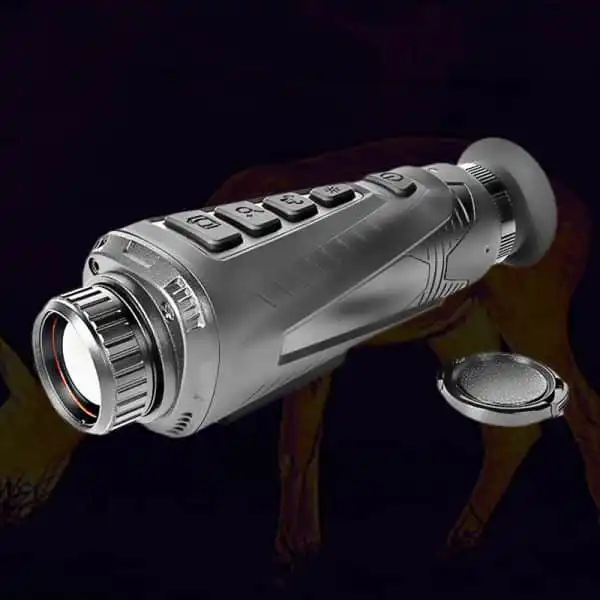
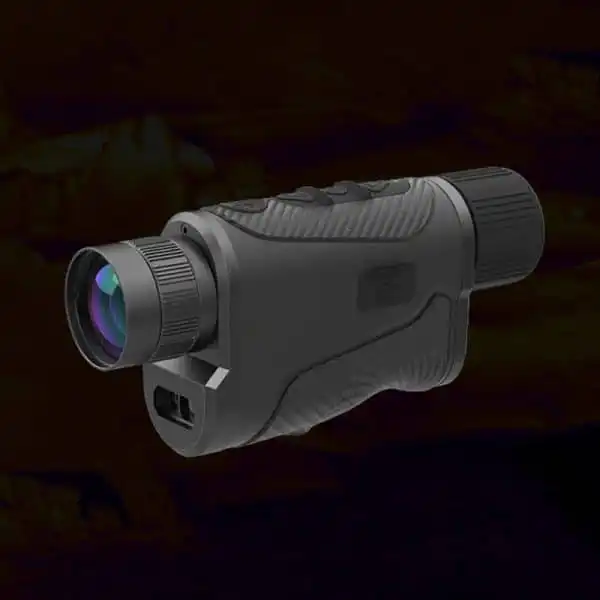
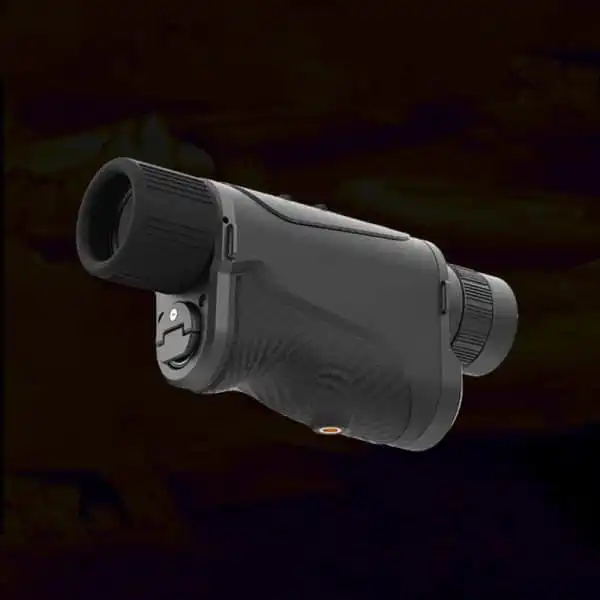
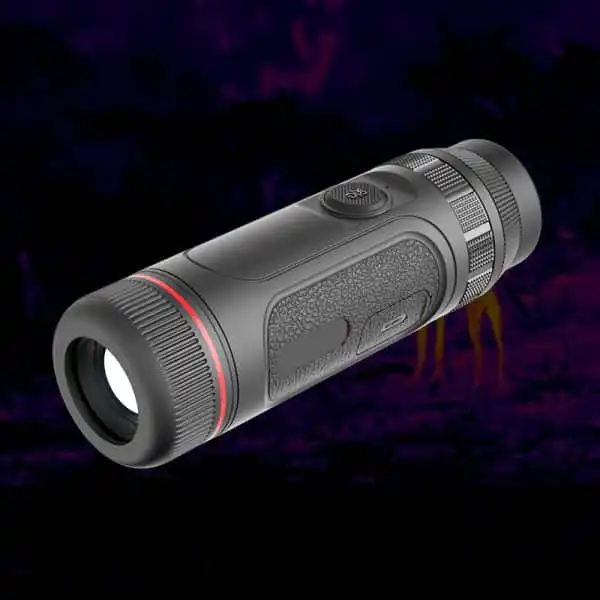
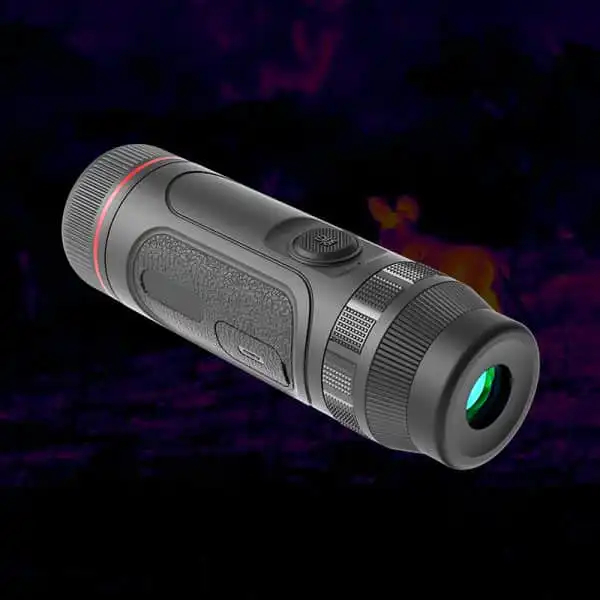
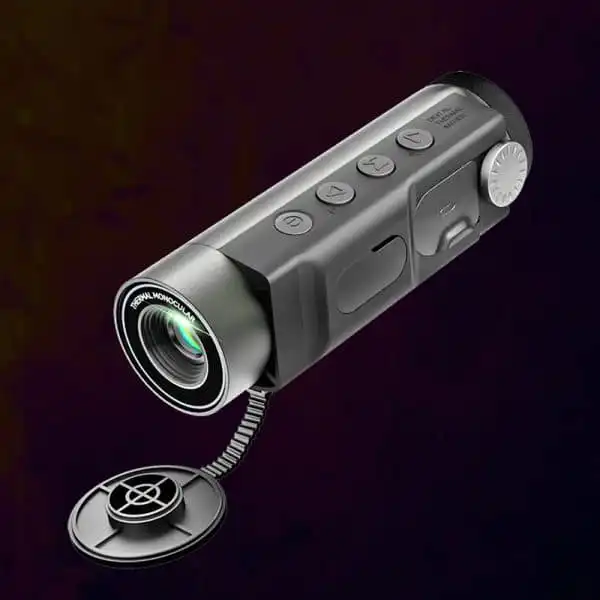
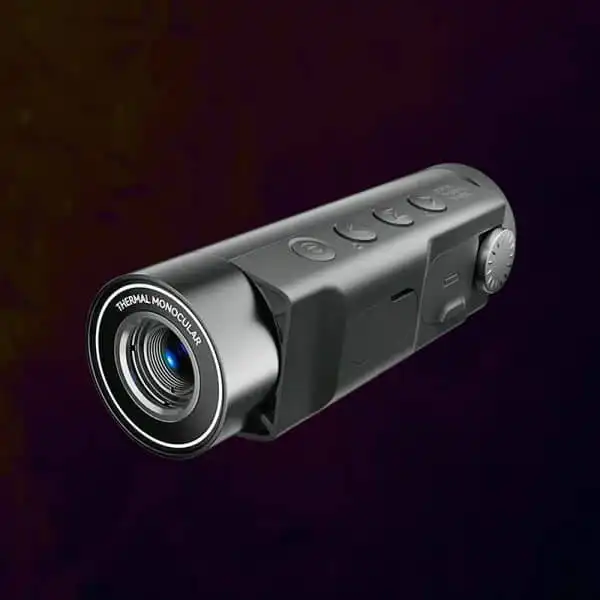
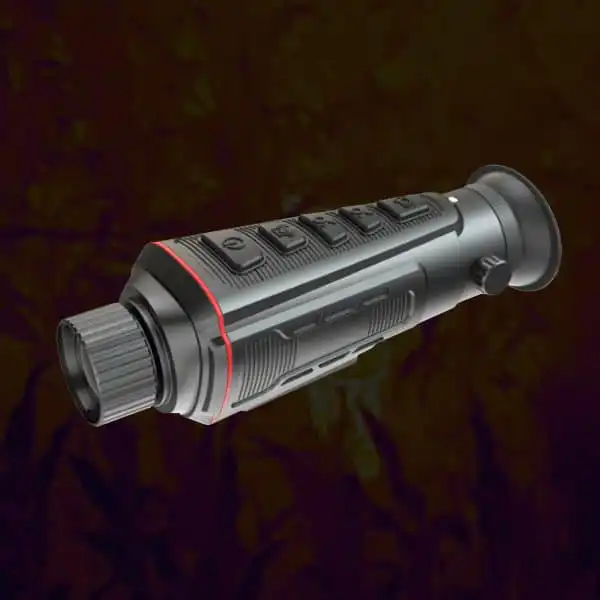
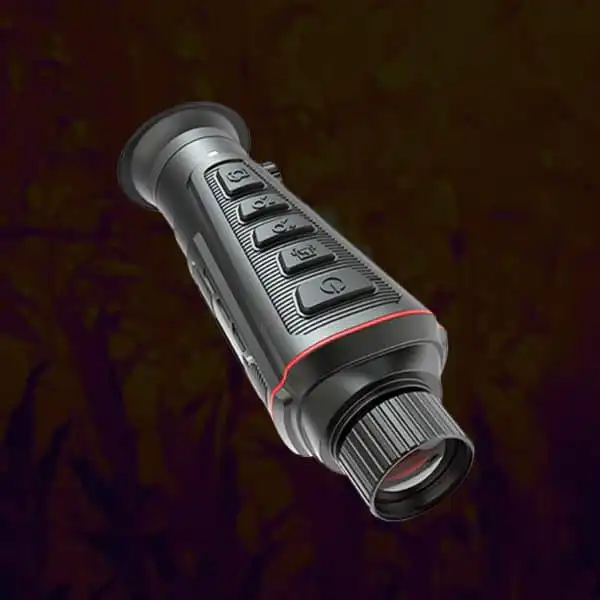
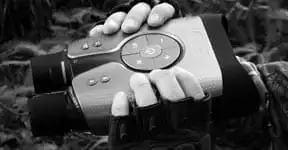
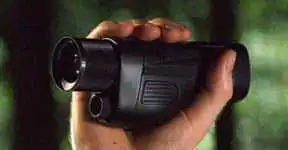
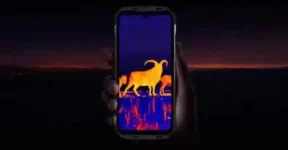
Thermal binoculars for deer hunting observation should not be ranked by pixel pitch alone. Pixel spacing, native array dimensions and the matched optics together affect sampling and coverage. A smaller pitch does not automatically mean a better complete view. Ask for the actual system specifications and comparable original samples; do not infer a sensor design from saved-photo dimensions.
Thermal Binoculars for Deer Hunting Need Complete Sampling Information
Pixel pitch describes the spacing of detector samples, while native resolution describes how many samples form the array. Those figures answer different questions. A buyer can be misled by comparing a small spacing number from one product with a large display or photo count from another. None of those isolated values describes the complete imaging system.
Use thermal specification distinctions and native-detail interpretation to set up the comparison. Keep the article limited to permitted wildlife observation. Do not infer recognition range, species identification or a weapon-related application from a detector label. The useful purchase question is whether an exposed feature can be interpreted under the intended ordinary viewing conditions.
Connect Pitch and Array to the Optical System
For a regular array, sample count and pitch relate to its physical sampled dimensions. The lens then determines how the scene maps onto that area. focal length and field coverage explains why comparing focal length without sensor dimensions can be misleading. A smaller pitch paired with different optics may change the result in ways a single-number ranking misses.
Compare binocular selection priorities, entry-level binocular questions and observer fit. Do not invent undisclosed detector dimensions, active area or optical transmission from an approximate external housing measurement. If the listing supplies only an enhanced output, request the native array instead. A useful comparison identifies confirmed values and leaves missing specifications visible rather than filling them from a similar model.
A specification worksheet can preserve native sample counts and pitch in their original units before any illustrative calculation. If either value is missing, stop the calculation instead of borrowing a typical value. This makes the comparison auditable and prevents a neat-looking derived number from concealing assumptions about an undisclosed detector or the extent of its active area.
| Check | What to record | Decision |
|---|
| Pitch | Disclosed spacing between detector samples with its proper unit | Do not treat it as array dimensions, display resolution or a complete quality score. |
| Array | Native thermal sample counts rather than enhanced or saved-photo dimensions | Leave detector identity and active dimensions unknown when undisclosed. |
| Optics | Matched lens coverage and original scene evidence for the complete device | Avoid comparing focal lengths without the relevant sensor geometry. |
| Outcome | The exposed feature needed, with distance and conditions recorded | Do not turn smaller spacing into guaranteed recognition, NETD or accuracy claims. |
Judge the Captured Feature, Not the Enlarged Screen
A fine sample grid is valuable only when the rest of the imaging chain and scene provide usable information. Focus, contrast, motion and the actual exposed feature still matter. image contrast concepts helps keep the discussion about distinguishability instead of an abstract race toward smaller numbers.
Use motion-sample evidence and extended wildlife-viewing decisions to request original native-view footage. Record distance, zoom and background where disclosed. Do not claim that digital enlargement creates new detector information. thermal discovery and optical confirmation also separates locating a patch from recognizing the subject. Keep an inconclusive sample inconclusive rather than deciding that the smallest pitch must have identified it correctly.
Ask for a Comparison the Seller Can Substantiate
A concise request lists the actual array, pitch if disclosed, lens coverage and the practical observation feature. Ask for original samples under comparable conditions and clarification of enhancement or processing. A seller may not disclose every internal component; that gap should remain a gap, not a reason to guess the sensor manufacturer.
Use supplier specification questions, value-oriented binocular guidance, whole-kit tradeoffs, task-led selection and open-field limits. Compare what the complete device can support for an ordinary stationary watch. Do not present pitch as a direct measure of NETD, radiometric accuracy or calibration status. A defensible choice uses several disclosed system fields and real task evidence, not a universal smaller-is-better rule.
Compare pitch only alongside native array, optics and task evidence. Keep a missing component specification visible instead of turning one number into a universal quality ranking.