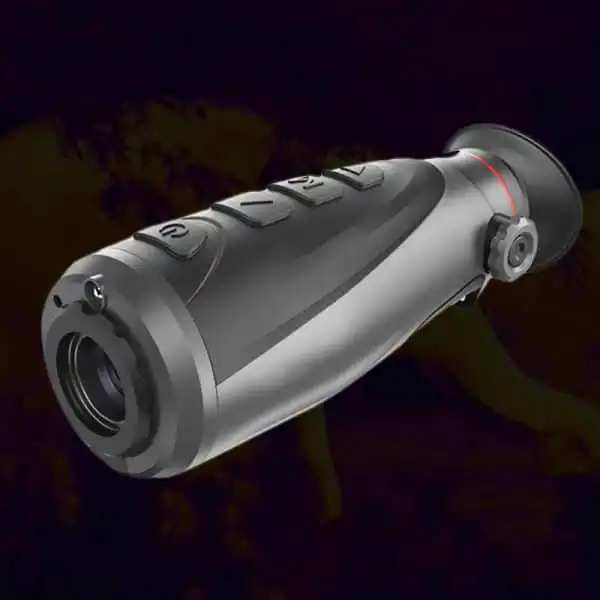
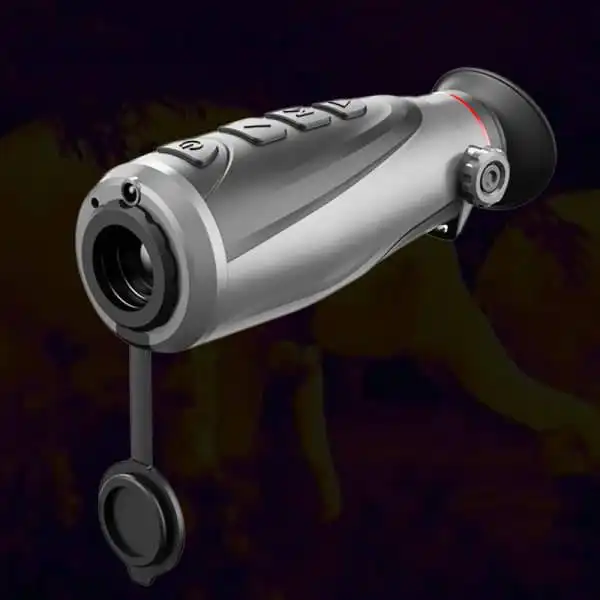
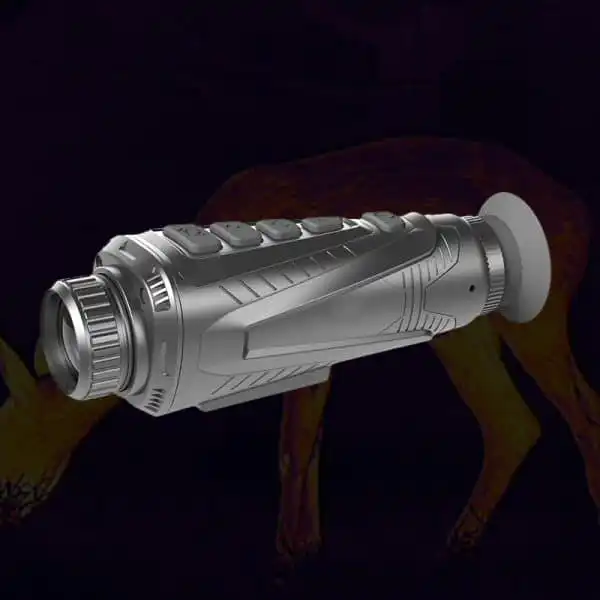
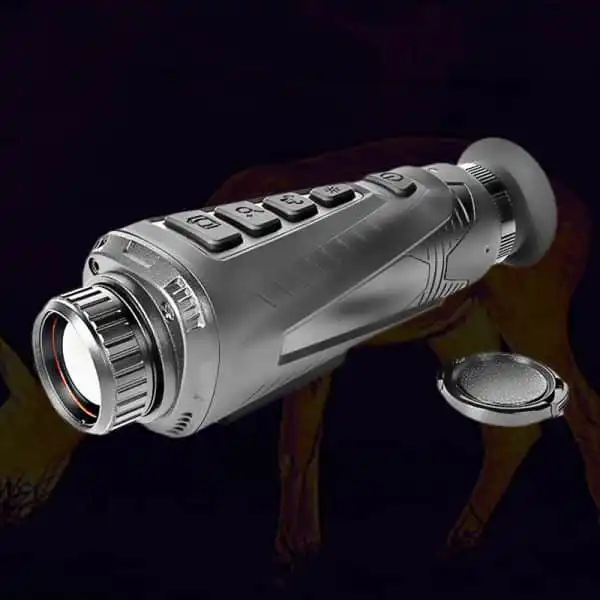
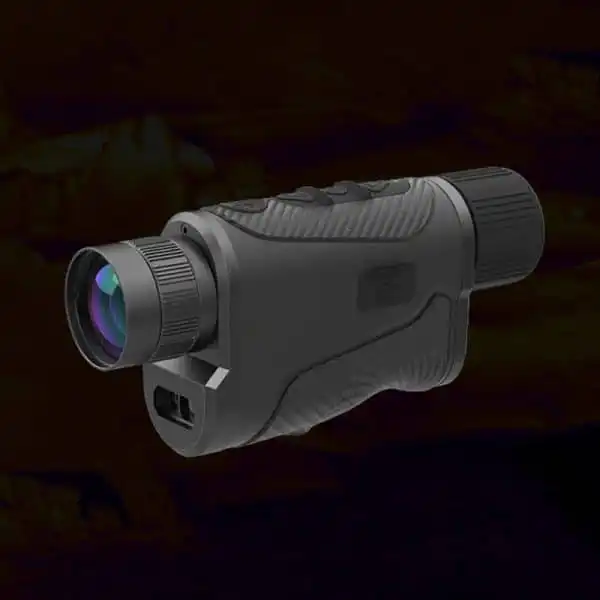
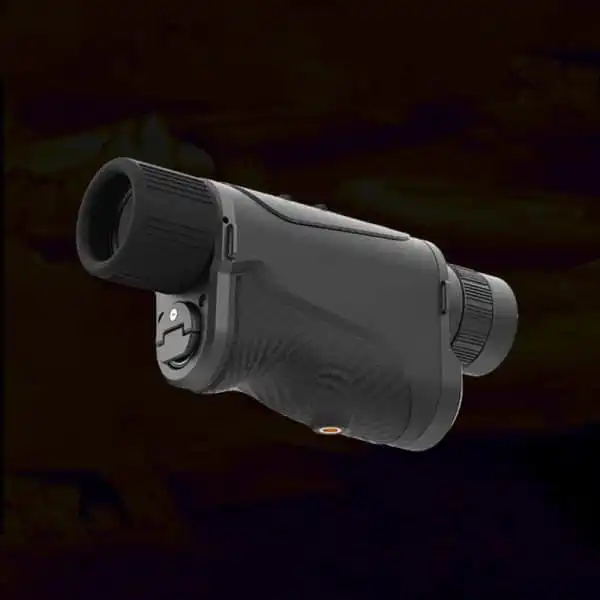
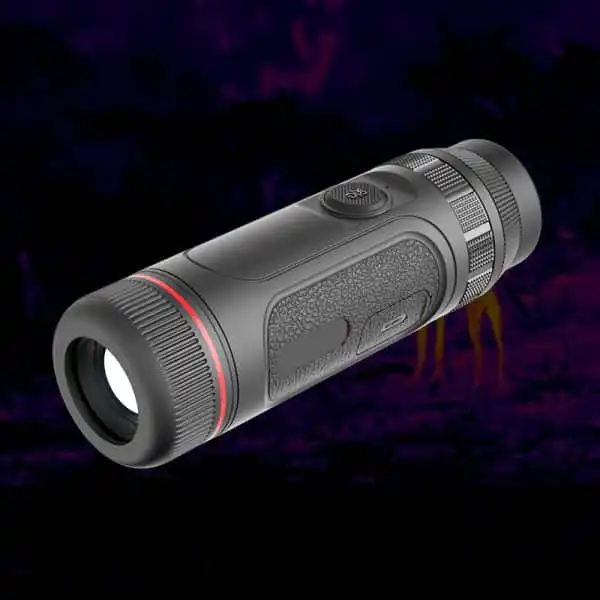
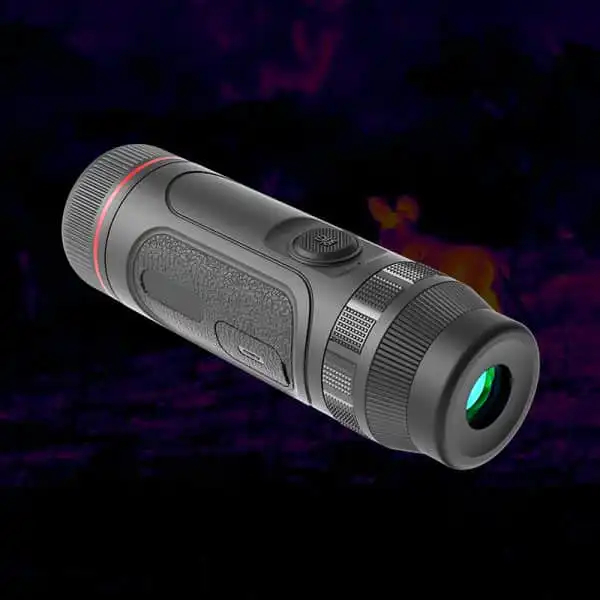
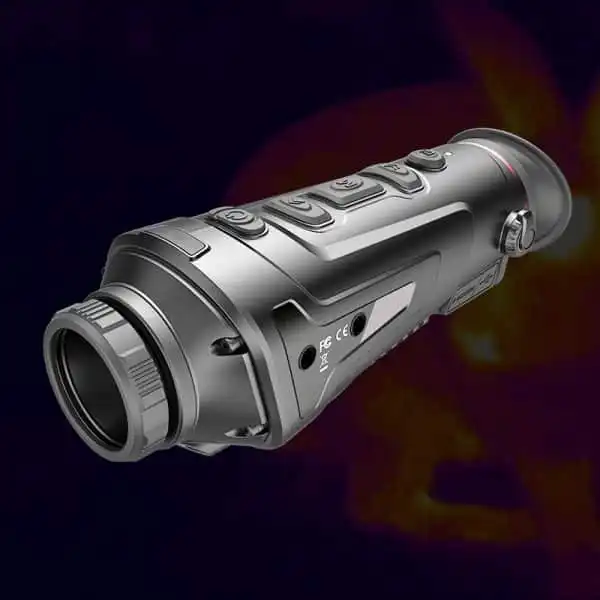
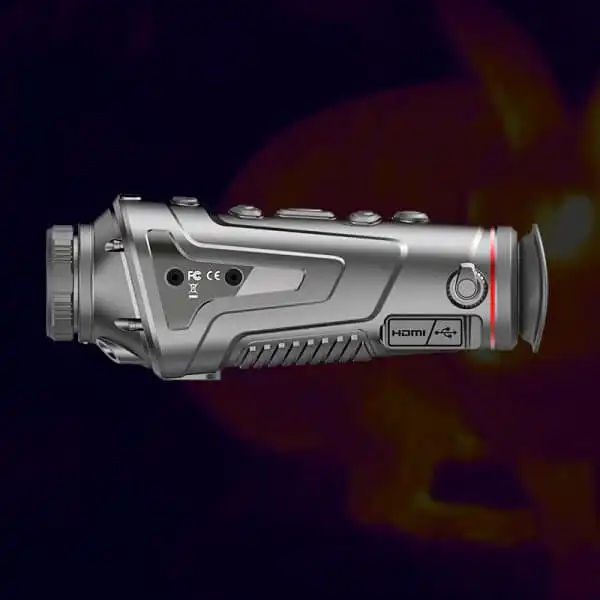
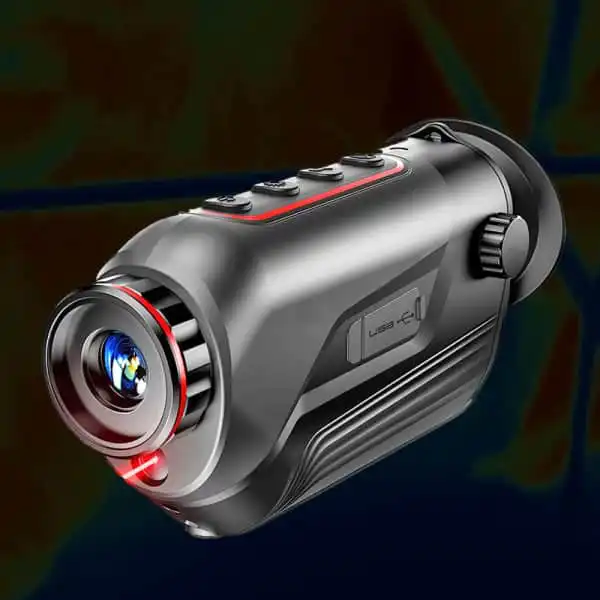
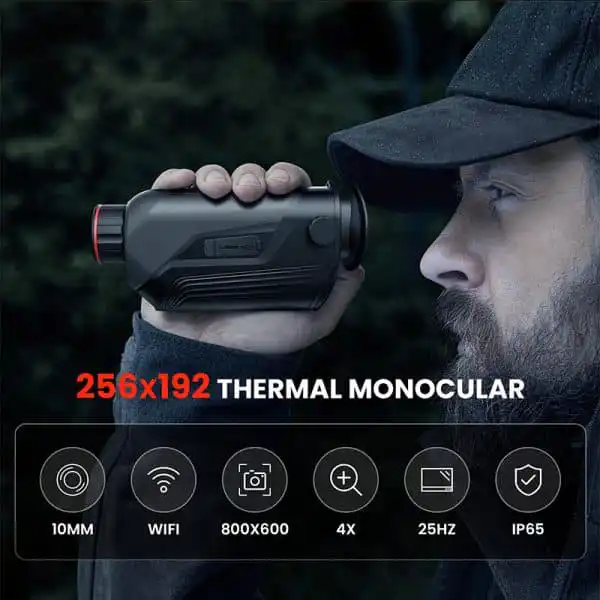
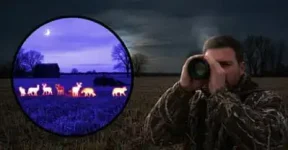
A budget thermal monocular can help draw attention to an exposed bird-sized heat pattern, but it is not a substitute for seeing plumage, colors or identifying behavior. Judge whether the original thermal view locates a usable position, then confirm with ordinary observation where practical. More display pixels or enlarged output do not establish additional native thermal detail.
A Budget Thermal Monocular Can Start the Search, Not Finish Identification
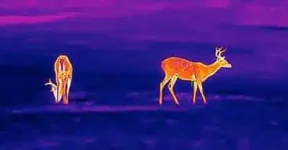
An observer may notice a contrasting patch on open ground before recognizing what produced it. Thermal imaging can be useful at that discovery stage, particularly when an exposed subject contrasts with its background. The next step is not automatically a species name. Stones, recently warmed surfaces and partly hidden animals can all complicate interpretation.
Use bird-oriented monocular buying questions and thermal discovery with optical confirmation to define a two-step routine. Keep distance from nesting and roosting activity. A purchase should support a respectful observation from a permitted viewpoint, not encourage approaching until a tiny image becomes convincing. Record an uncertain observation honestly if confirmation is unavailable.
Ask Which Pixels Represent the Scene
Native thermal resolution describes the detector sampling array. An enhanced output, an eyepiece display and a saved photograph can each have a different pixel count. separating thermal resolution fields and affordable monocular expectations help prevent a large exported picture from being mistaken for a large thermal detector.
For the bird-discovery task, request an original native-view sample that includes the surrounding ground and the exposed subject. image contrast principles explain why distinguishability depends on more than the pixel count. A bird hidden by leaves remains partly hidden even if its visible portion looks bright. Do not state a species-specific recognition range from the array dimensions alone, and do not infer a product’s sensor from a screenshot.
| Check | What to record | Decision |
|---|---|---|
| Discovery | A contrasting exposed patch, its position and direction of movement | Treat the observation as a lead rather than a species conclusion. |
| Native detail | Disclosed detector array, lens coverage and original scene sample | Keep enhanced output, display and saved-file dimensions separate. |
| Confirmation | Visible markings, size context, behavior or another ordinary supported observation | Do not translate thermal false colors into feather colors. |
| Unconfirmed note | Obstruction, missing features and the reason the observation remains uncertain | Retain the uncertainty rather than filling it with a plausible species name. |
Use Field Marks in the Channel That Can Show Them
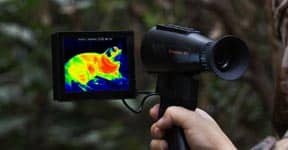
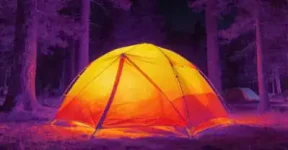
Thermal false colors encode processed image information rather than natural feather colors. thermal-infrared radiation and ordinary bird-identification field marks answer different questions. A warm-looking wing patch is not proof of a particular plumage color, and a bright false-color outline should not be translated into a species name without corroboration.
Consider ground-level bird observation and a bird-viewing workflow when deciding what equipment remains necessary. Ordinary binoculars may contribute visible markings after the location is known. A digital channel can add useful information only when its actual optics, lighting and recording behavior support the task. Do not assume every product described as night vision contains an independent thermal and visible sensor.
Buy for Repeatable Discovery Notes
A useful record contains the position, visible movement, obstruction, approximate distance and how the observation was confirmed. It need not contain a confident name for every patch. Compare whether the viewer lets you regain the position at native view without losing the surrounding landmarks, rather than rewarding the largest zoom number.
Use first monocular setup checks, native-detail priorities, budget purchasing considerations and task-led observation choices to prepare the seller request. Retain original clips when recording is supported, and label illustrative images separately from evidence. The right inexpensive viewer assists discovery within a larger observation routine. It should not be promoted as a way to see feather colors, penetrate foliage or replace the experience needed to identify birds reliably.
The discovery note can contain two separate entries: where the patch appeared and what ordinary evidence later supported an identification. Leaving the second entry blank is legitimate. That small record design prevents a thermal impression from becoming a confident species label merely because the observer remembers expecting a particular bird at that location.
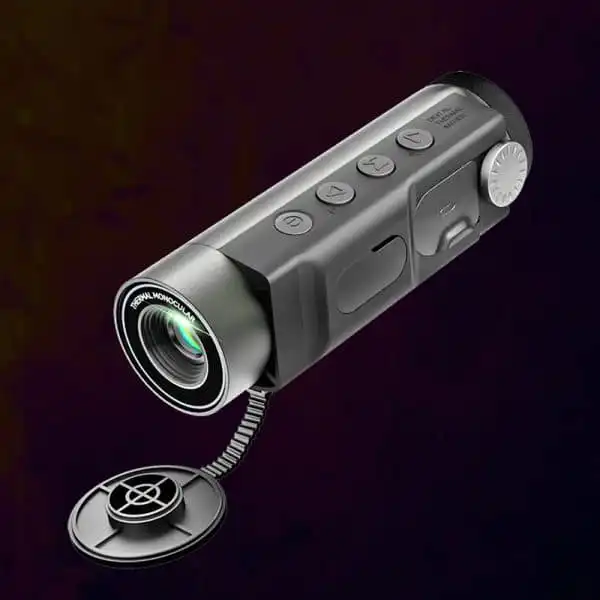
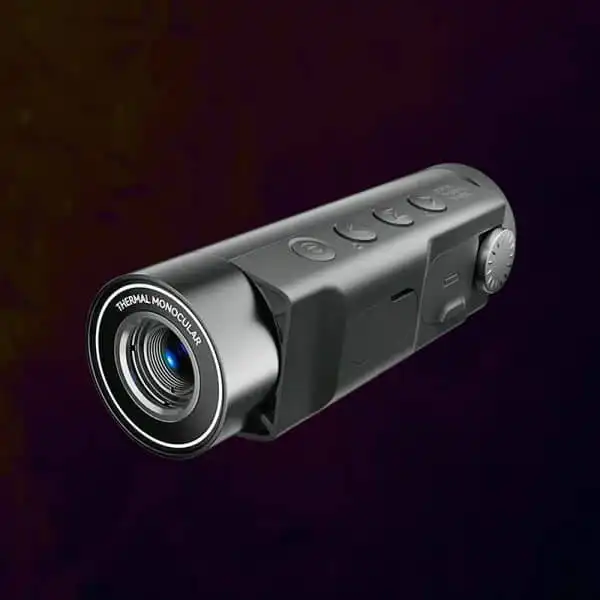
Compact Thermal Monocular with 256×192 VOx Sensor 13mm Lens 670m Detection 25Hz AMOLED Display 9.5H Battery WiFi 8GB Storage IP67 Lightweight Design
Original price was: $3,399.99.$2,599.99Current price is: $2,599.99.Ultra-Sensitive Thermal Monocular with 1750m Detection and 1000m Rangefinder 640×512 Resolution 50Hz Refresh Rate 0.39″ OLED Display 8× Zoom 32GB WiFi IP67 Rugged Design
Original price was: $3,399.99.$2,799.99Current price is: $2,799.99.Ultra-Compact Thermal Imaging Monocular with 400×300 Resolution ≤25mK NETD 25mm F1.0 Lens 1300m Detection Range 50Hz 1–4× Zoom 16GB WiFi IP67 Fast Charging AMOLED Display
Original price was: $1,899.99.$1,499.99Current price is: $1,499.99.Advanced Handheld Thermal Monocular with 400×300 IR Resolution ≤30mK NETD 25mm Lens 50Hz Refresh Rate 4X Digital Zoom WiFi IP66 700m Detection Range 0.4″ 1280×960 Display
Original price was: $1,999.99.$1,599.99Current price is: $1,599.99.
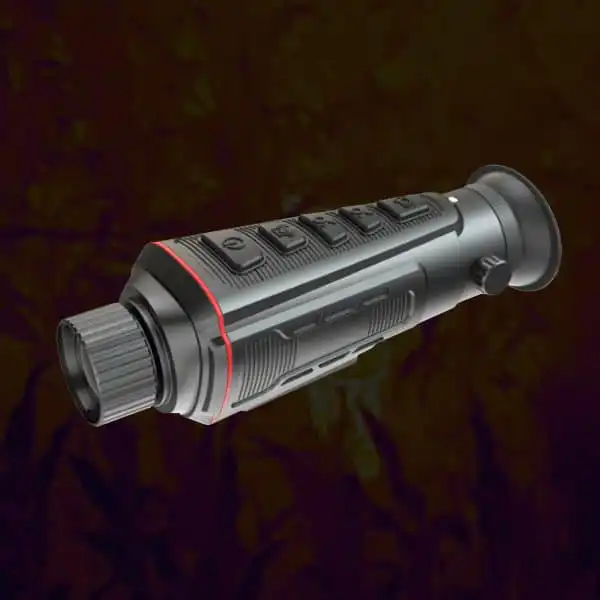
Compact Thermal Imaging Monocular with 320×240 Resolution 50Hz Refresh Rate 13mm Lens 800×600 OLED Display 4× Digital Zoom 4500mAh Battery IP65 Rugged Design
Original price was: $599.99.$499.99Current price is: $499.99.
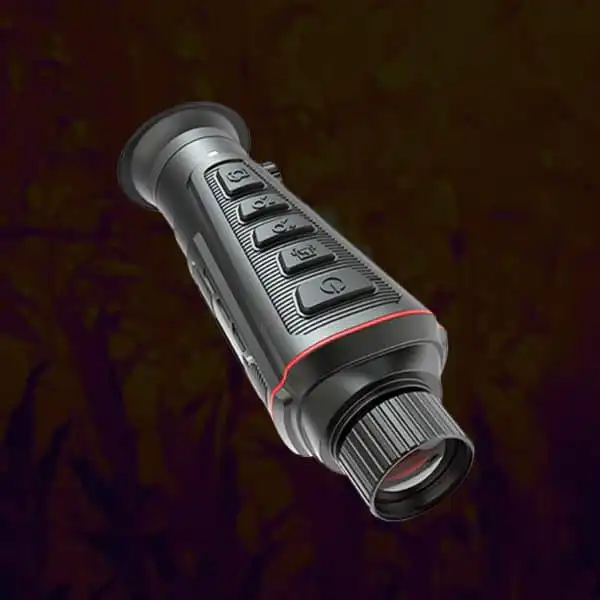
High-Resolution Thermal Monocular with 384×288 Resolution 50Hz Refresh Rate 2×–4× Magnification WiFi 5 Color Palettes 720×540 Display
Price range: $699.99 through $1,099.99Frequently Asked Questions
Should I favor higher native resolution over maximum digital zoom for small birds?
Prioritize useful original scene detail and matched optics over the largest digital enlargement. More native samples may help an exposed feature, but they cannot reveal covered plumage or turn thermal colors into feather markings.
Can a thermal recording preserve the detail needed for later species identification?
Only details actually captured and retained in the original file can be reviewed later. A thermal outline may assist discovery without preserving the visible field marks needed for a confident species identification.
What should I compare at base magnification before judging digital zoom performance?
Check correct focus, exposed subject size, surrounding landmarks and contrast at native view. Keep display and saved-file dimensions separate, then assess whether enlargement genuinely helps interpretation without claiming additional detector information.
Can I adjust focus and zoom without taking my eye away from the monocular?
Control access depends on the device and approved grip. Try the ordinary adjustments while stationary, without pressing unfamiliar buttons around wildlife; record whether the controls are identifiable before relying on them after dark.
Why can a bird against the sky look different from a bird against sun-warmed branches?
The backgrounds provide different thermal and processing conditions. A bird against a clearer background may be easier to notice, but that does not establish a species or a universal preference for one viewing angle.
Can screenshots taken on a phone preserve the same detail as the monocular's original images?
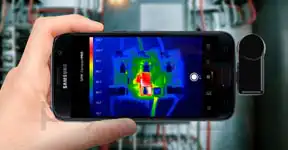
A phone screenshot can be resized, cropped or recompressed and may omit original context. Retain the device original through the supported route; use screenshots as labeled discussion copies, not guaranteed native-detail evidence.
Would I benefit more from steadier handling than from an extra digital zoom step?
A steadier ordinary view can make existing detail easier to interpret, whereas digital zoom only enlarges what was captured. Try supported handling first without assuming stabilization or additional native samples are built in.
Can thermal viewing help locate ground birds that are only partly above the grass?
An exposed portion may provide a discovery clue, but grass can conceal the rest. Keep the hidden area unresolved and avoid approaching or disturbing birds simply to make a thermal identification seem certain.
Can I separate two nearby birds in a thermal picture if they appear as one warm patch?
A single merged patch may not reveal how many birds produced it. Review an original sequence and seek ordinary confirmation; do not infer a precise count from one ambiguous thermal outline.
Are the focus and zoom controls easy to distinguish by touch in darkness?
That is a usability question for the actual sample, not a category guarantee. Practice permitted controls in an ordinary stationary setting and note whether their shapes or positions are distinguishable without repeated visual checking.
Can a larger detector keep the view wide while still giving useful distant detail?
A larger native array can offer useful sampling across a field when matched with suitable optics, but array size alone does not determine coverage. Ask for both the native specification and the complete optical field.
How close must a monocular focus to observe a bird near a garden feeder?
The actual close-focus limit must suit the exposed bird distance. Confirm the lens specification and demonstrate it without approaching the feeder; an eyepiece diopter cannot compensate for an objective unable to focus that close.
Take These Findings to the Seller
Choose a viewer that helps locate exposed activity and preserve its context. Keep identification tied to evidence that can actually show the distinguishing features.