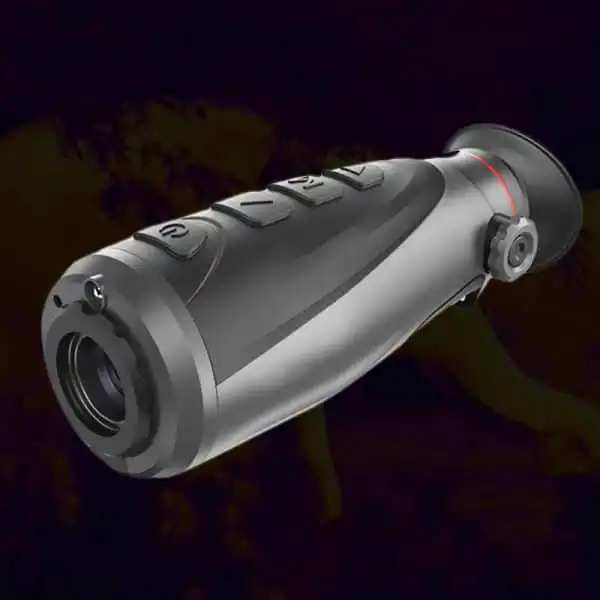
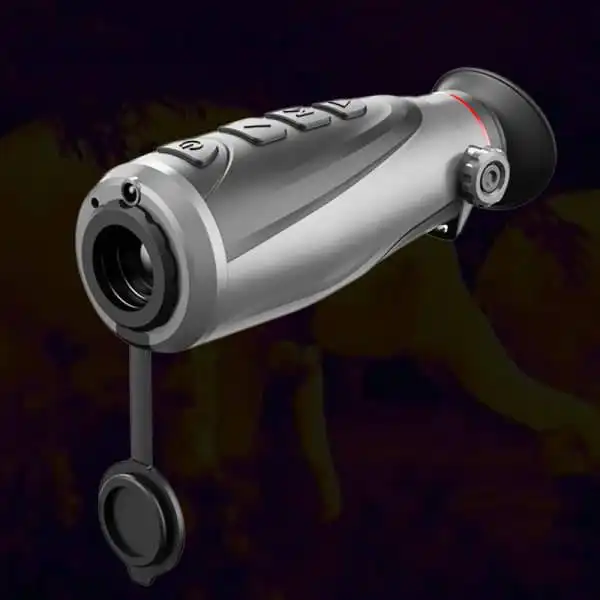
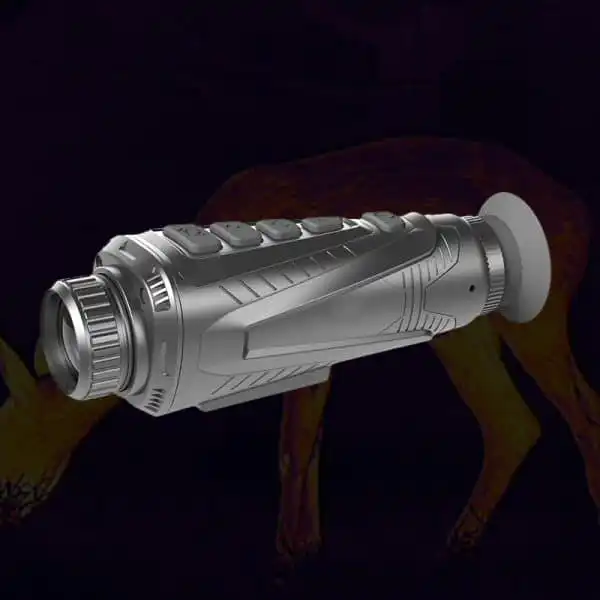
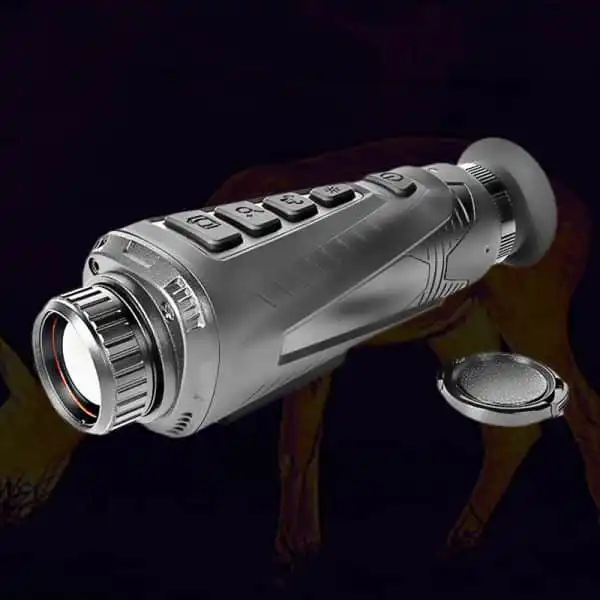
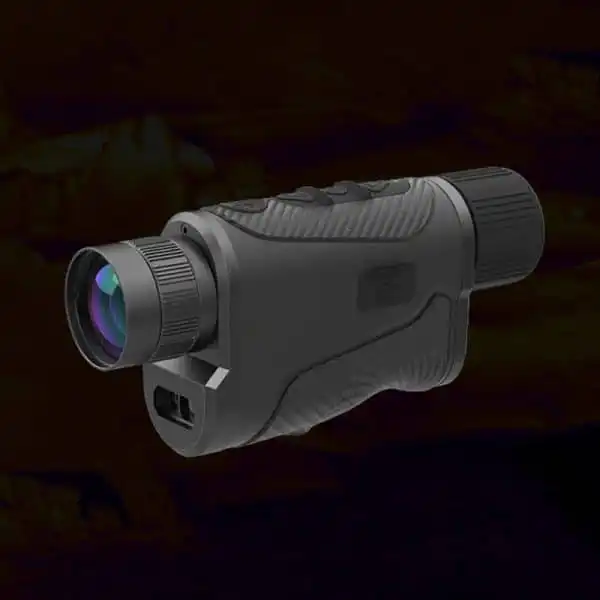
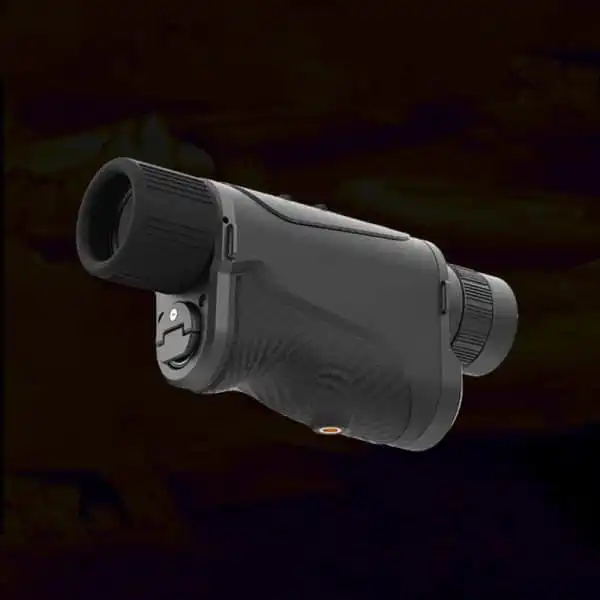
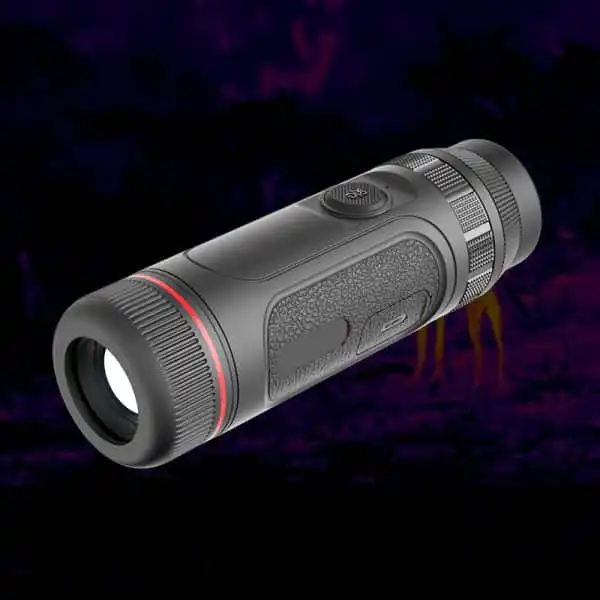
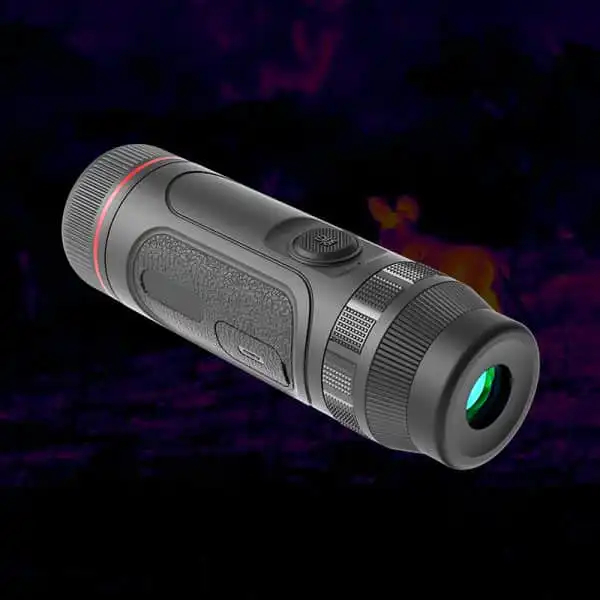
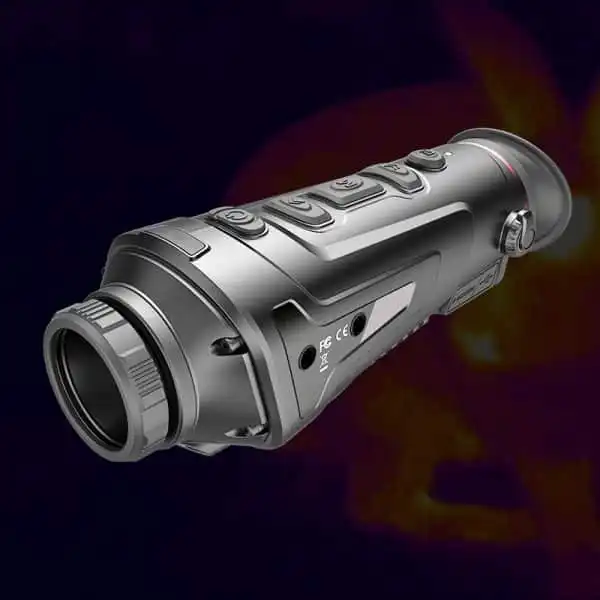
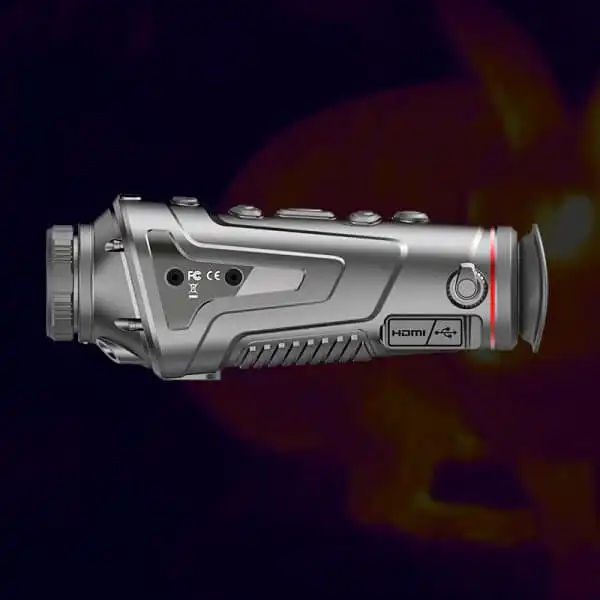
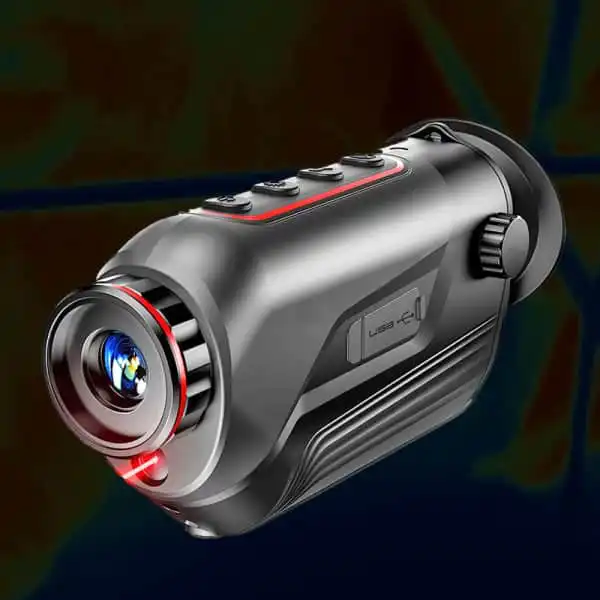
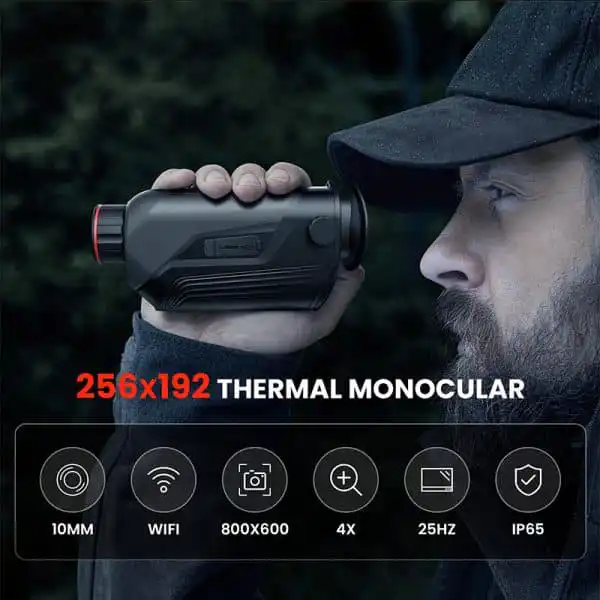
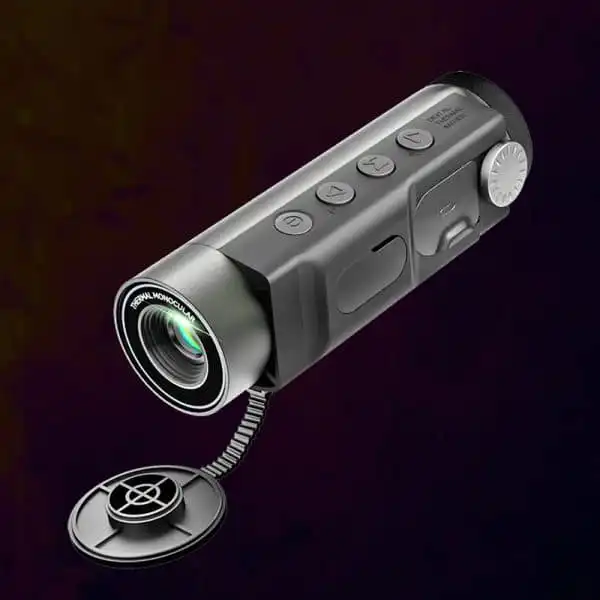
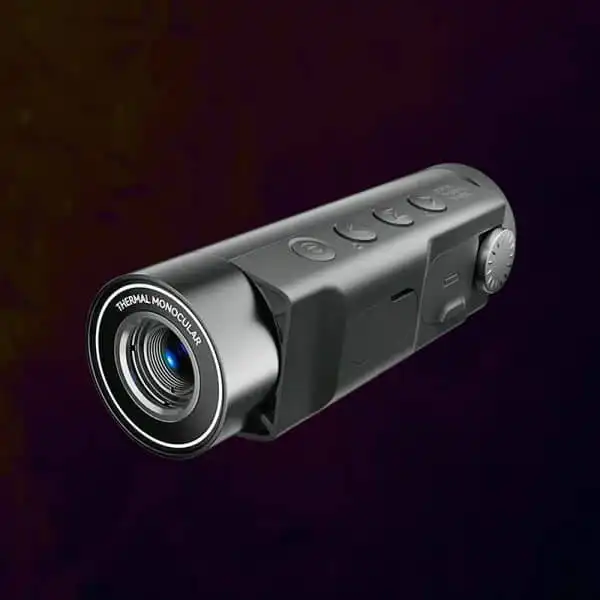
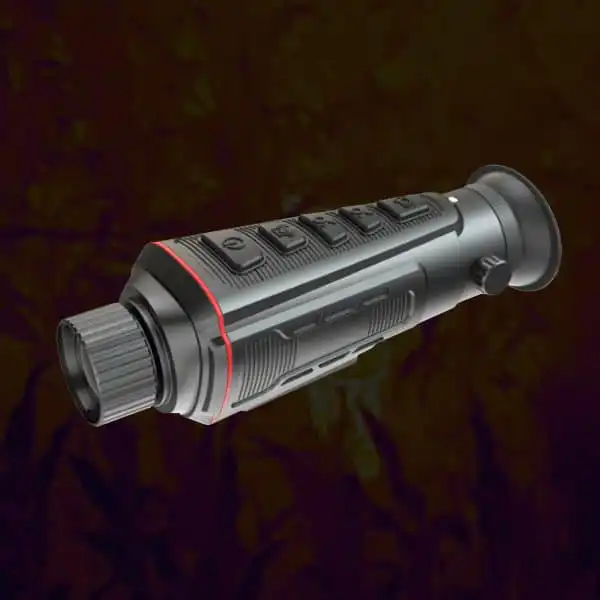
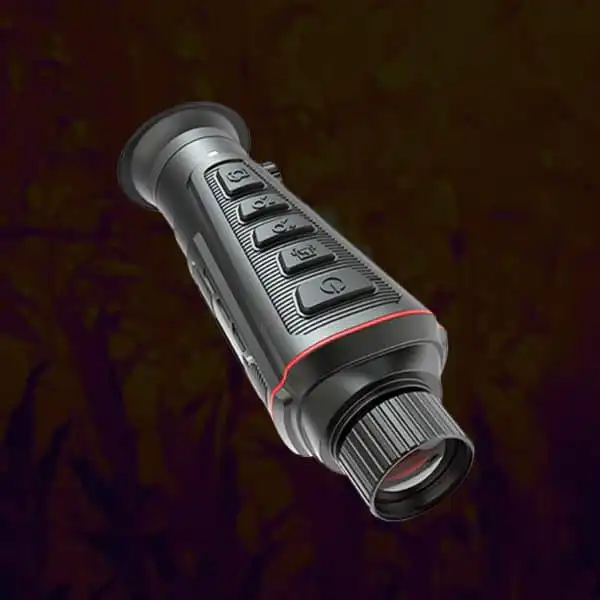
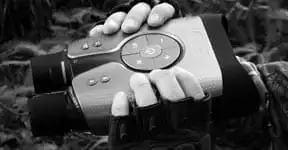
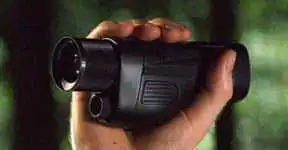
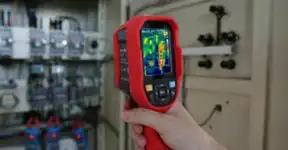
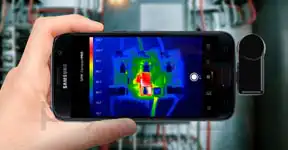
Digital Thermal Goggles Need a Defined Trial Question
A temporary trial is most useful when it answers a specific uncertainty. The buyer may need to know whether the native view covers an opening, whether prescription glasses allow a full eyepiece view or whether the approved arrangement leaves controls accessible. Trying every feature can produce an interesting evening without resolving any purchase question.
Use goggle selection evidence and supported viewing alternatives to define the decision beforehand. Confirm whether a rental, loan or supervised demonstration actually exists. This article does not claim that this website offers rental service. Current availability, deposits, care responsibilities and return conditions require direct confirmation with the provider. Keep temporary access separate from an assumption that the equipment is suitable for every intended use.
Have the observer state the unresolved question again after the trial, then write which evidence answered it. If the answer depends on an undocumented accessory or a position the provider does not approve, the question remains unresolved. This protects the decision from becoming a general endorsement based on a comfortable but nonrepresentative demonstration.
Digital thermal goggles can be evaluated in a representative trial before an ownership decision, but rental availability and terms must be verified rather than assumed. Compare native coverage, eye position and control access from a stationary viewpoint. A brief demonstration does not establish long-term comfort, battery aging or undocumented environmental performance.
Keep Coverage and Eye Position Separate
Compare the same ordinary scene from a permitted stationary position. Record native view and supported zoom or stabilization settings. A narrow optical field and a view clipped by incorrect eye placement are different problems. field-of-view geometry helps separate the external scene from the portion of the display the observer can see.
Review eyepiece fit checks, stationary viewing fundamentals and separate optical specifications. Ask for instruction on permitted adjustments before the trial. Do not remove covers, modify adapters or force an unfamiliar fitting. Write down the full area and the exposed feature that matter, so an enjoyable image is not mistaken for adequate task coverage. A trial should reproduce the ordinary viewing position rather than compensate with an unsupported arrangement.
| Check | What to record | Decision |
|---|
| Availability | Actual provider and current temporary-use terms, including permitted activities and return process | Do not assume that a rental offer exists on this website. |
| Question | The specific coverage, eye-position or control-access uncertainty being tested | Choose an observable decision before exploring extra functions. |
| Care | Supplied condition record, approved handling and instructions for personal test files | Avoid modification and destructive testing of temporary equipment. |
| Outcome | Demonstrated fit, complete quotation and the ownership questions still unresolved | Keep a short trial separate from long-term performance evidence. |
Agree on Care Before Taking the Equipment
Record the supplied accessories and externally visible condition through the normal provider process. Ask which cleaning and packing methods are approved. component-specific optical care is a general principle, not permission to improvise a solvent on temporary equipment. Stop and contact the provider if damage or an uncertain instruction appears.
Use ordinary packing guidance and stationary equipment evaluation to plan the return. Do not turn a loan into a destructive impact or weather test. Ask how personal test recordings should be handled and what the supported file-management process is. Avoid assuming that every device retains accounts, deletes files or exports originals in the same way. Keep the completed condition record alongside the trial findings rather than relying on memory.
Convert the Trial Into a Limited Acceptance Note
Separate demonstrated fit from unresolved ownership questions. The field may suit the task while approved charging, replacement parts or long-session reserve remain uncertain. Compare complete current offers only after terms are known. Do not invent a buy-versus-rent break-even calculation from undisclosed prices or describe temporary use as a warranty promise.
Use supplier support questions, complete kit value, task-led equipment choice, longer-session needs and practical observer handling. Keep a concise note containing the scene, settings, observer and remaining unknowns. The next step may be purchase, another approved configuration or more evidence. A short trial reduces a defined uncertainty; it cannot settle every question about service life, environmental limits or future compatibility.
Arrange a real trial around one defined question. Keep its findings and remaining unknowns together when deciding whether ownership makes sense.