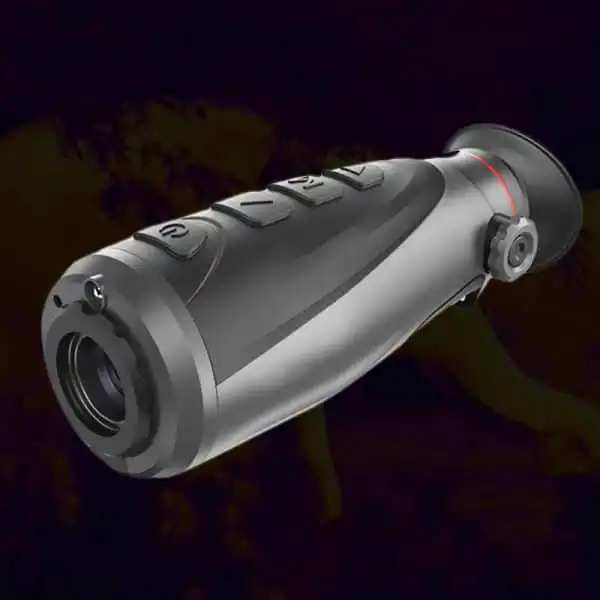
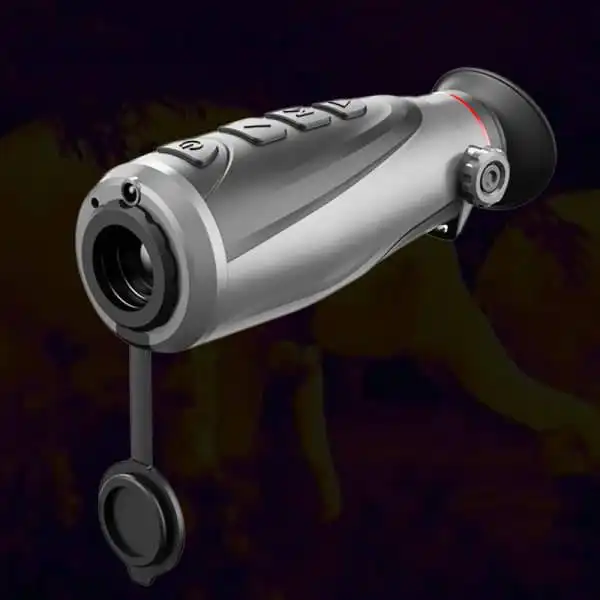
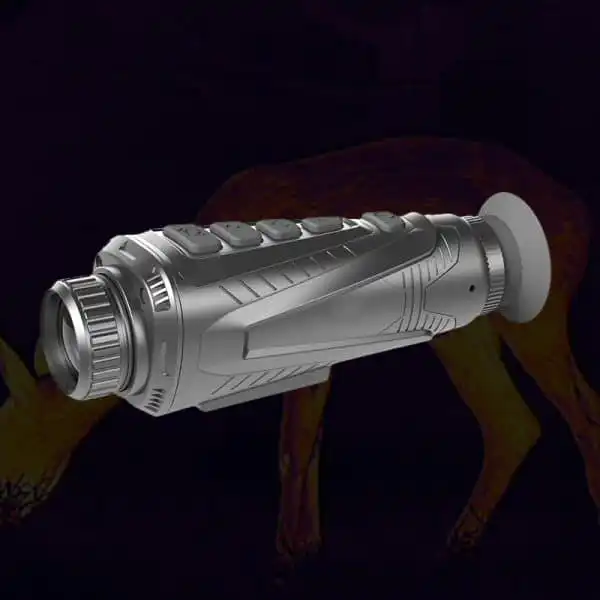
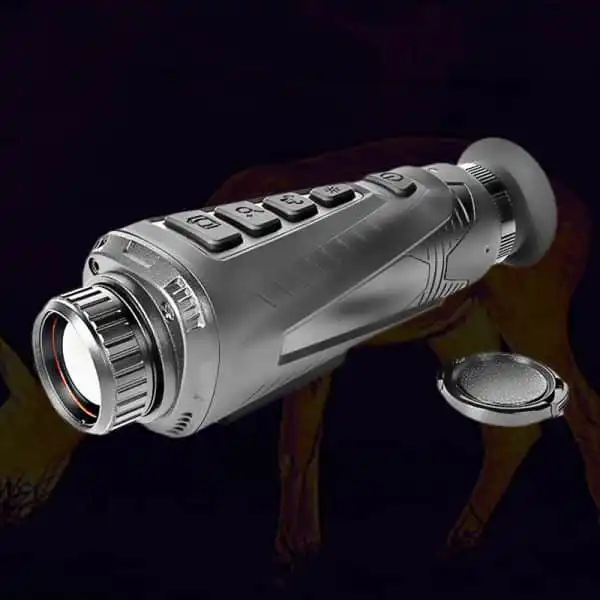
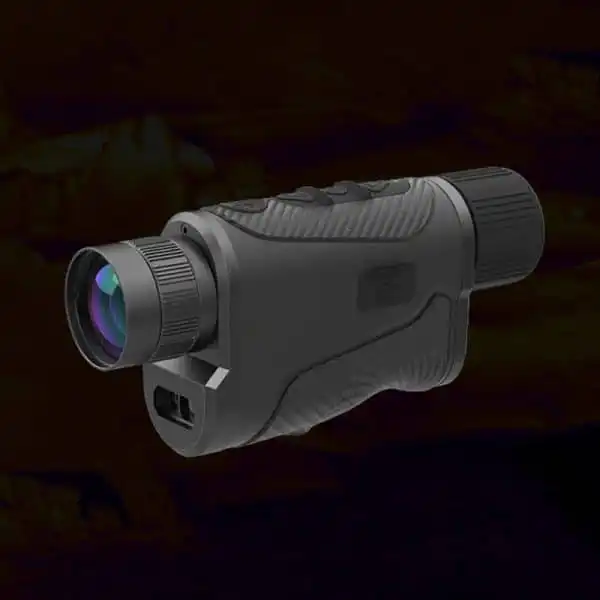
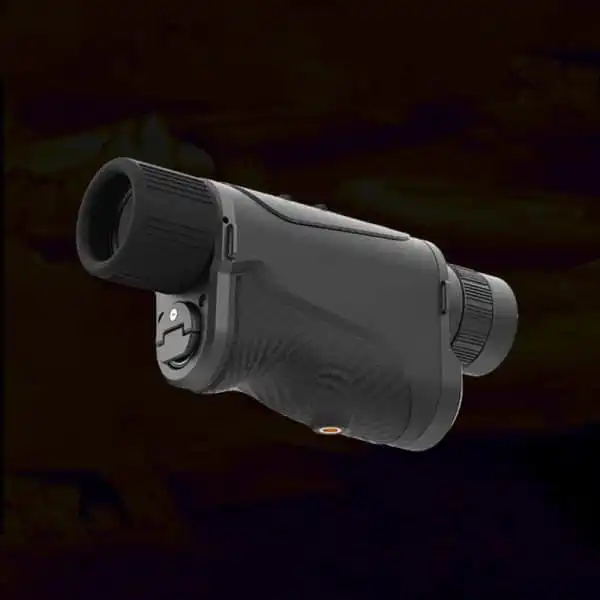
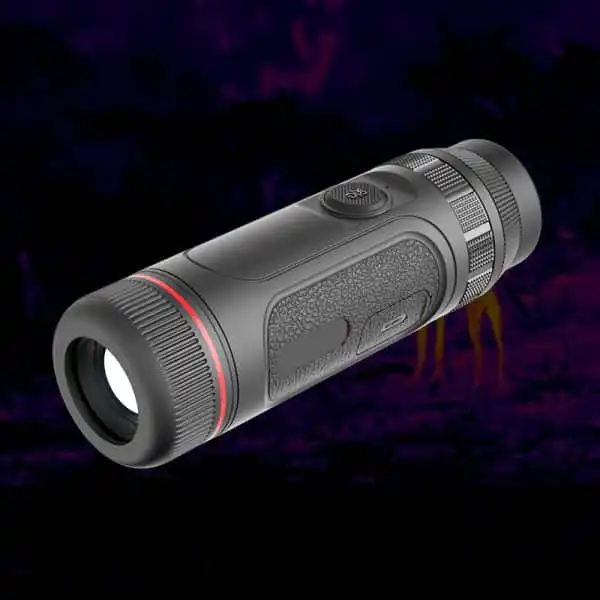
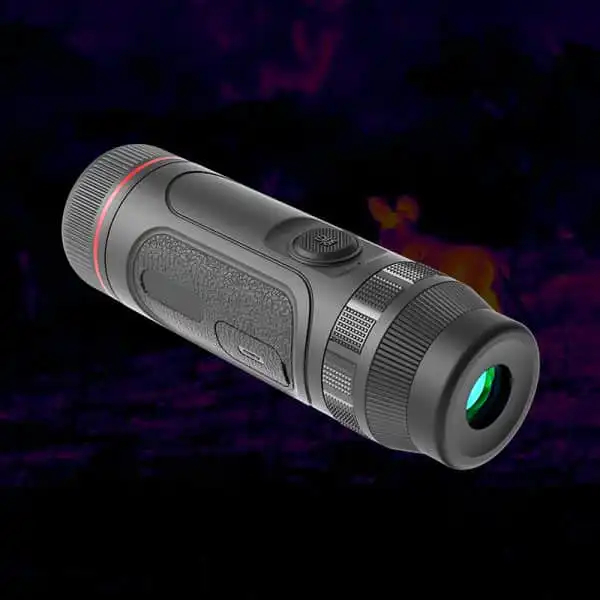
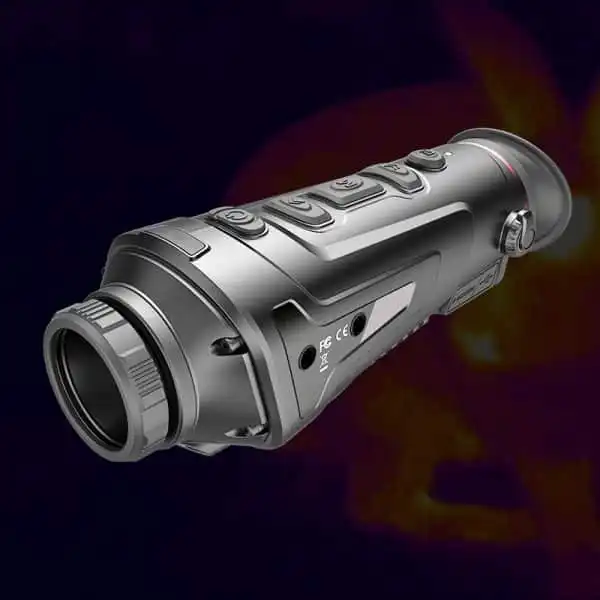
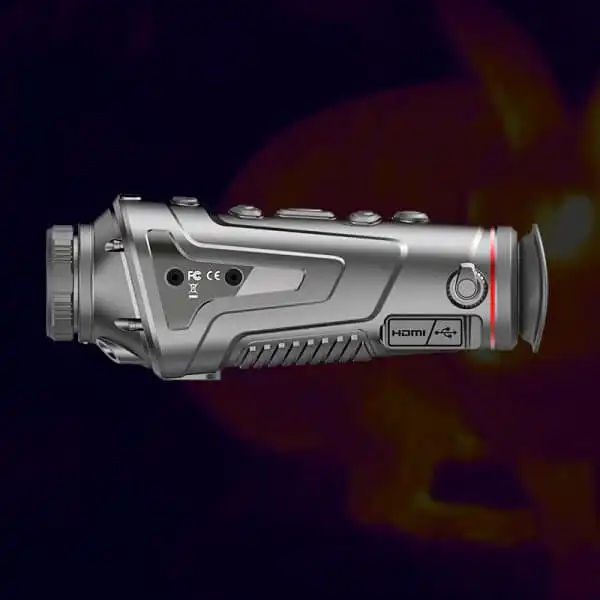
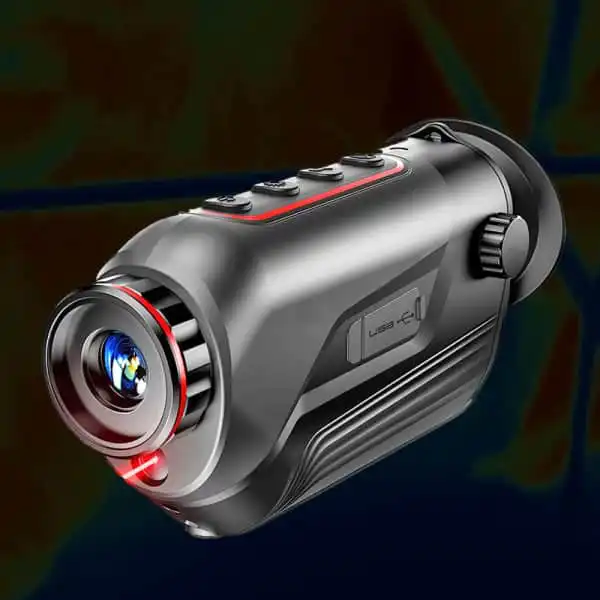
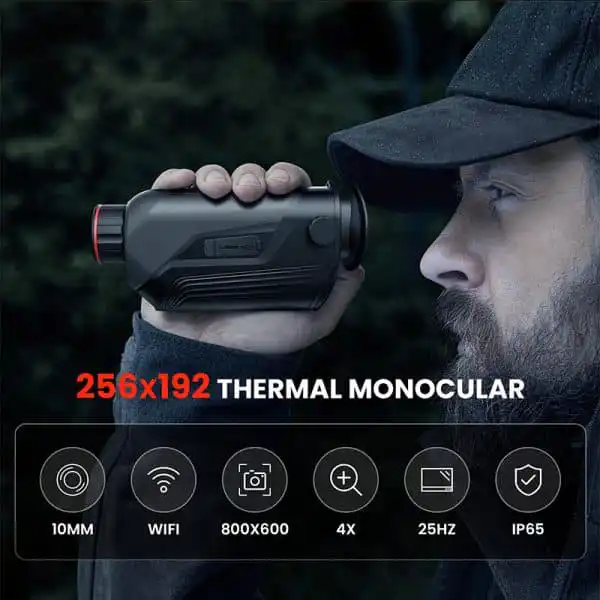
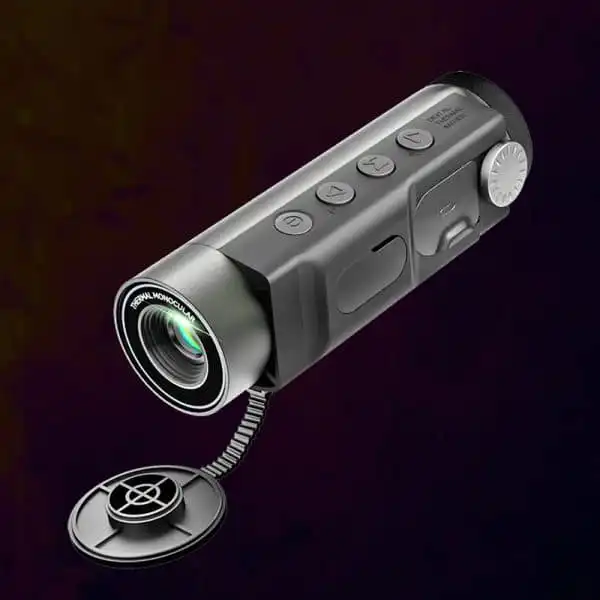
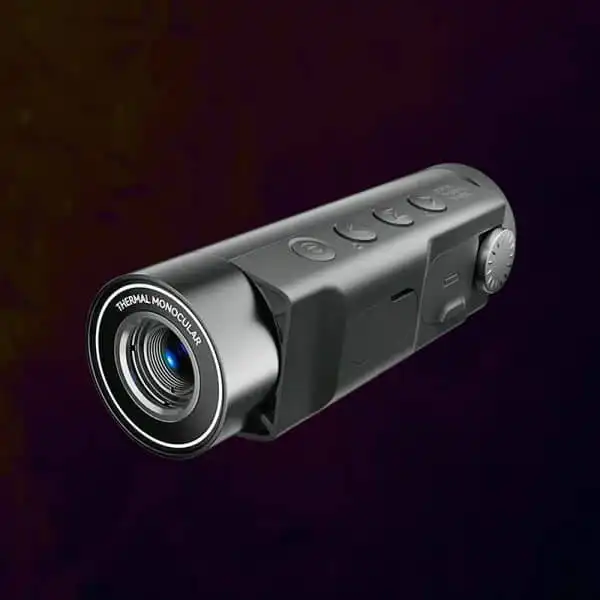
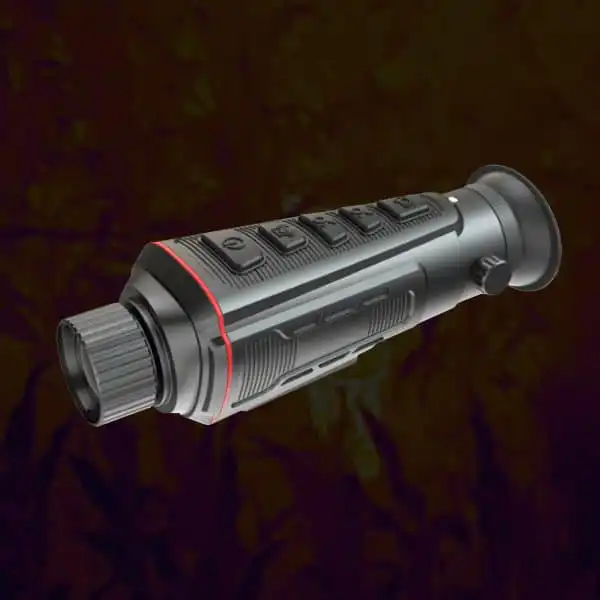
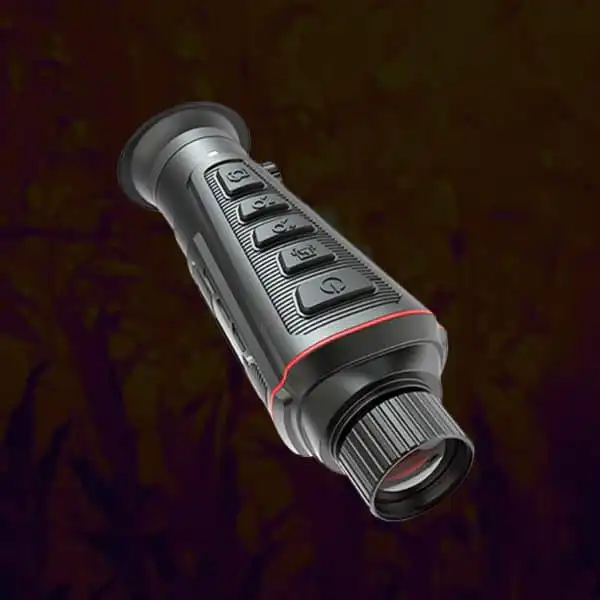
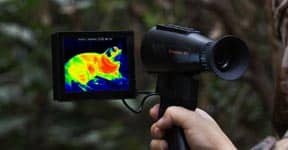
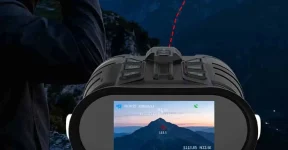
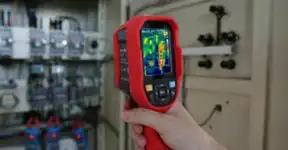
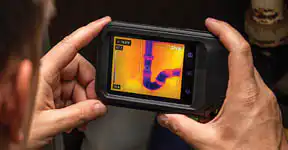
Infrared Thermal Goggles Face Wear Before They Face a Test Chamber
Repeated packing can bring an objective cover into contact with gritty fabric, an eyecup against a buckle or a control against a loose accessory. Those mundane contacts are easy to overlook when a comparison focuses on detector specifications. A buyer should examine the complete packed kit as well as the powered demonstration.
Use goggle purchase checks and campsite equipment care to list the surfaces handled every session. Do not stage a scratch, impact or drop test on a seller’s sample. Inspect the supplied protection and ask about approved care. A non-destructive assessment can identify whether the ordinary routine exposes the same fragile part repeatedly without pretending to measure the material’s hardness.
Place loose approved accessories in their intended compartments and gently inspect the packed arrangement before carrying it. If closure requires pressure on an optical window or a protruding control, stop and ask how the kit should be arranged. This check identifies a practical contact problem without scratching, dropping or stressing the sample to prove a point.
Infrared thermal goggles should be compared for ordinary abrasion separately from water or dust ingress. Caps, case layout and approved handling protect surfaces during transport, while replacement support determines what happens after wear. An IP number alone does not prove scratch resistance, drop performance or unlimited durability, and a premium price does not establish any of those claims.
Keep Different Durability Claims in Different Rows
Ingress, abrasion, impact and chemical compatibility are not interchangeable. enclosure ingress classifications does not by itself settle how a surface tolerates gritty cleaning or repeated contact with a strap fitting. Obtain any additional disclosed test and its conditions rather than expanding a single rugged label.
Compare separate protection specifications and whole-system value. If a seller claims a coating is especially durable, request the relevant documentation for the exact version. Do not infer a particular glass, window material or hardness rating from appearance. A more expensive viewer may have useful support or construction differences, but those differences must be identified rather than assumed from its price position.
| Check | What to record | Decision |
|---|
| Ingress | Exact enclosure claim and the configuration in which it applies | Keep this separate from scratch, impact and chemical resistance. |
| Packed contact | Where caps, buckles, cables and loose accessories sit in the approved case | Avoid repeated rubbing or pressure without modifying the viewer. |
| Surface care | Manufacturer-approved cleaning method for the actual coated component | Do not use an improvised abrasion test to evaluate durability. |
| Wear support | Replacement route for external parts and disclosed service terms | Compare documented ownership support rather than a premium-price assumption. |
Evaluate the Packed Kit Without Damaging It
Put the approved caps in their normal positions, route the documented cable arrangement and close the supplied case as instructed. Check whether accessories press on the optical window or controls. A loose item can be moved to a designated compartment if the case instructions permit; do not modify the viewer or remove protective pieces to force a fit.
Use compact accessory fit, supported viewing arrangements and stationary handling evaluation. optical cleaning principles emphasizes matching care to the actual coating. Grit should not be ground into a window by enthusiastic polishing. Ask whether a worn cap, eyecup or strap can be replaced through an approved route instead of treating the sealed imaging core as the only serviceable concern.
Choose a Care Routine You Will Actually Follow
A protective kit that takes too long to pack may be left incomplete in ordinary use. Compare cap retention, compartment access and clear instructions for approved cleaning. Keep the purchase decision grounded in repeated daily handling rather than a dramatic durability slogan or an unsupported lifetime promise.
Refer to supplier support questions, practical viewing equipment handling, buyer-task matching, value-based observation choices and outdoor limitations. Document what is known and what remains untested. The budget-versus-premium decision should explain the verified construction and support differences. It should not imply that a lower-priced product is inherently fragile or that a higher-priced one can be cleaned, dropped or exposed without limits.
Compare the complete packed system and the approved care routine. Let documented protection and support explain the value difference, not an unqualified rugged label.