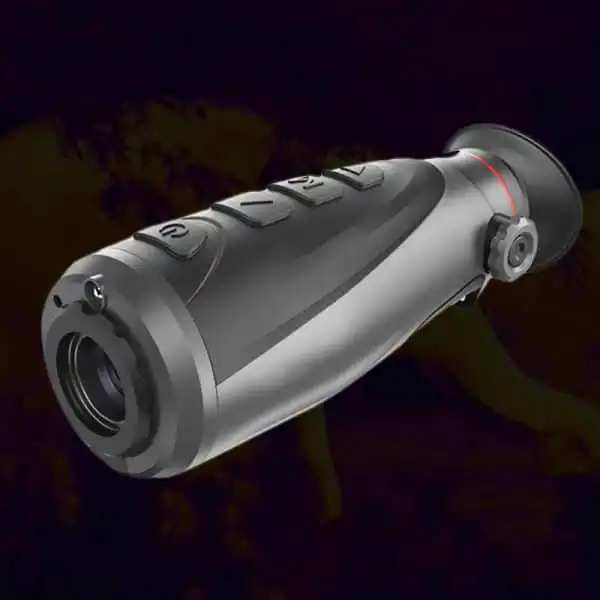
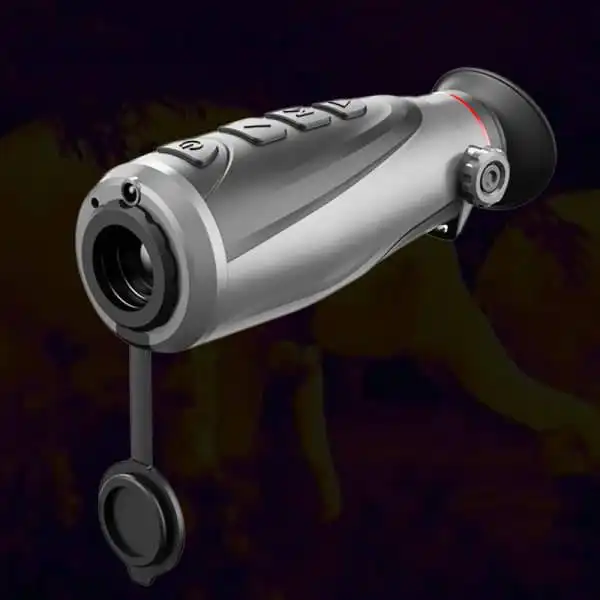
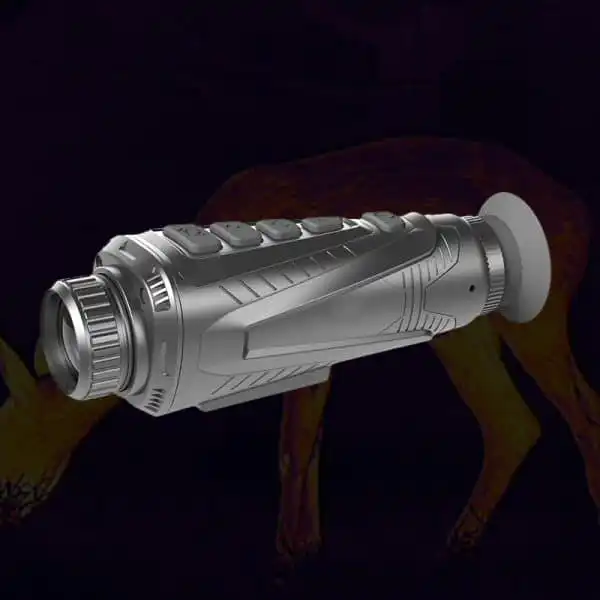
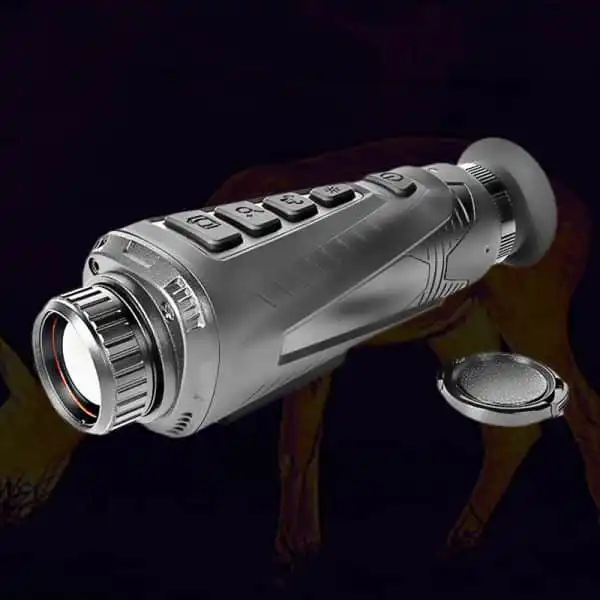
Best Night Vision Thermal Binoculars Need a Representative Background
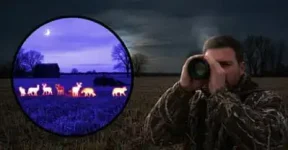
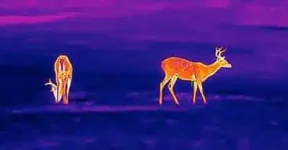
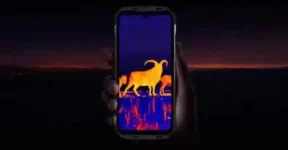
A demonstration with one animal separated from its surroundings is easier to interpret than a group beside a warm wall. The purchase question is whether the required exposed feature remains distinguishable in the ordinary enclosure. Describe the likely background and viewing position rather than accepting the easiest promotional scene as representative.
Use livestock-enclosure observation guidance and cattle-viewing terminology to specify the task. Keep animal handling and welfare assessment outside the capability claim. A thermal outline can support an observation note but is not a substitute for direct inspection. Do not infer internal condition from how bright one animal appears relative to another in an automatically scaled image.
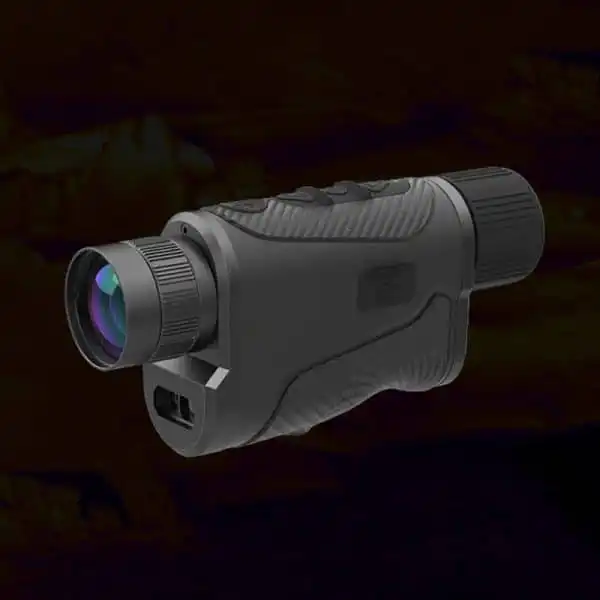
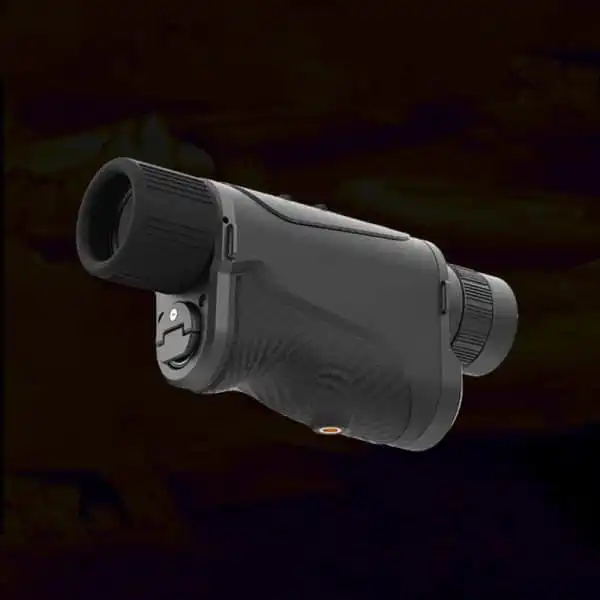
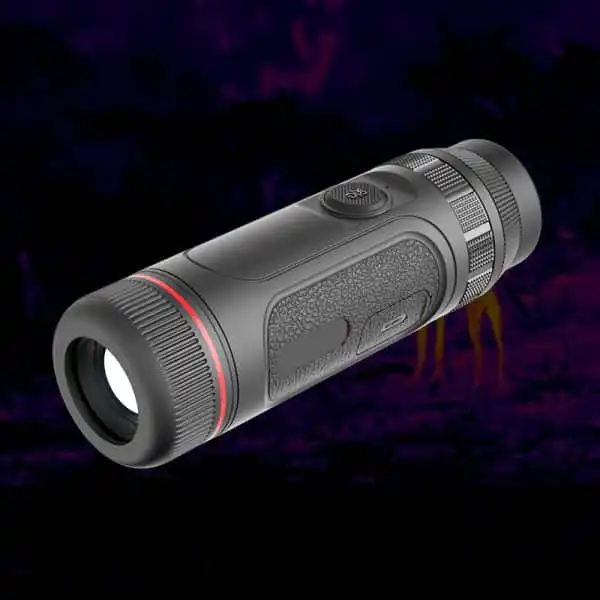
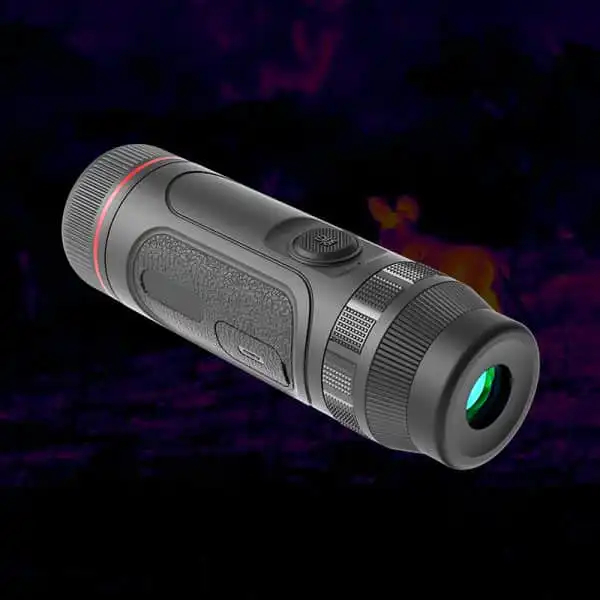
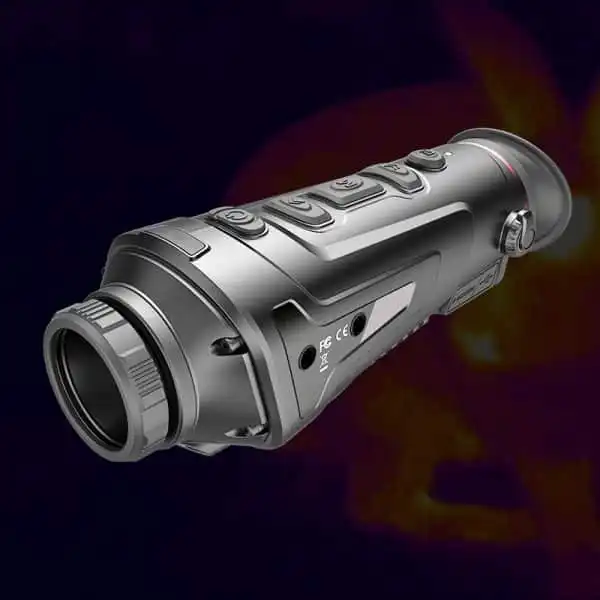
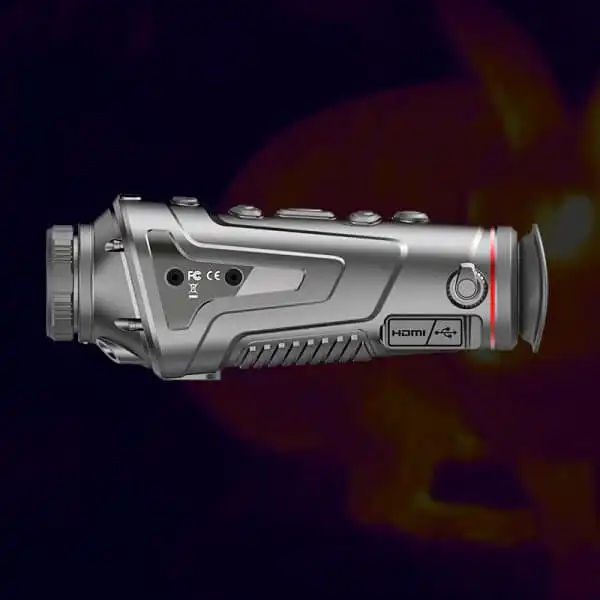
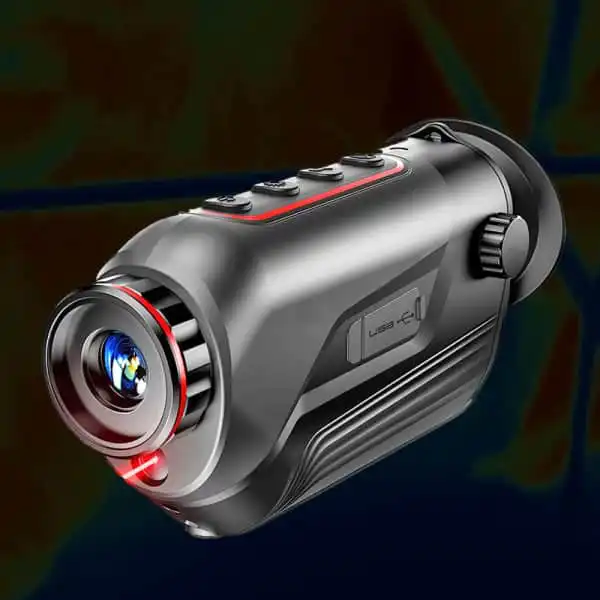
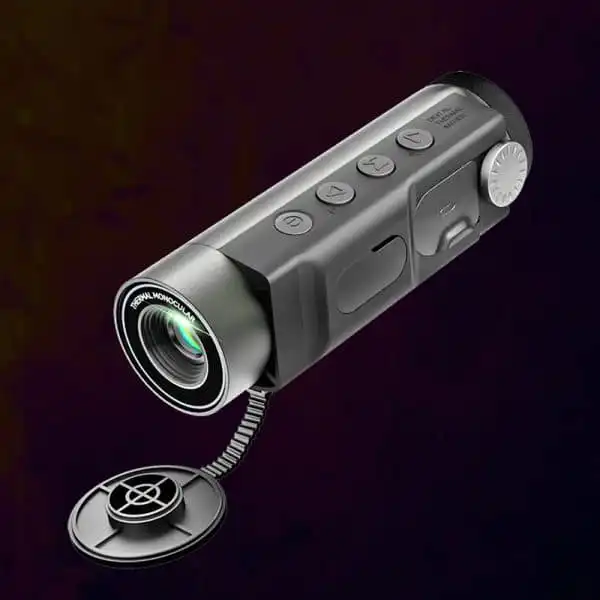
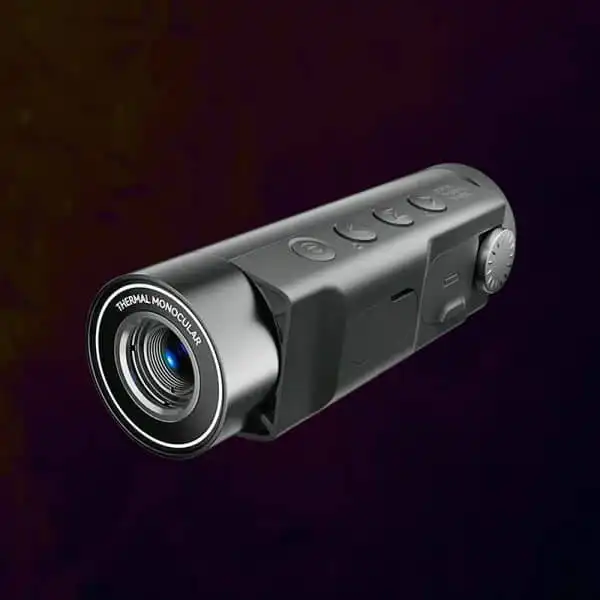
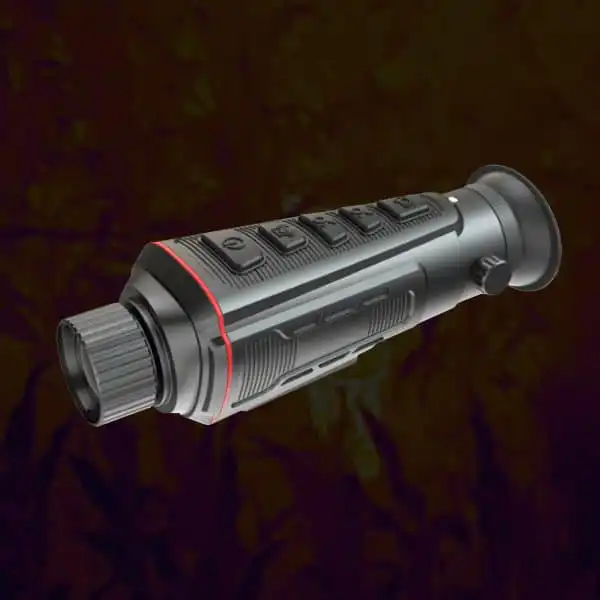
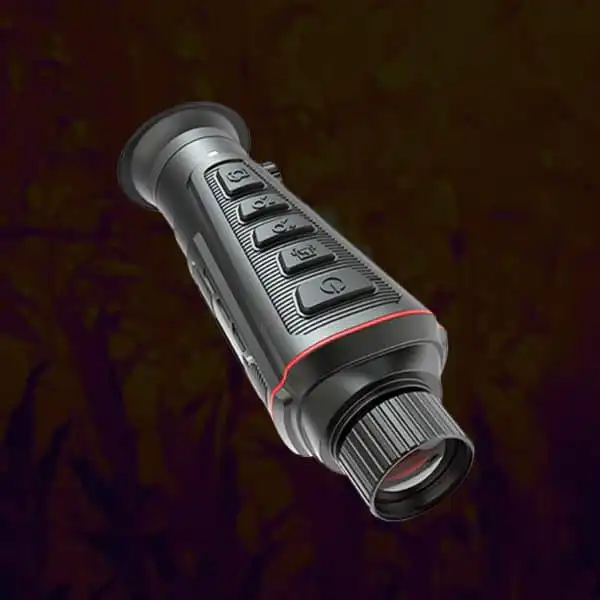
Best night vision thermal binoculars for a livestock view must preserve useful exposed outlines in the actual enclosure, not merely show bright patches against a cold empty field. Overlapping animals, warm structures and hidden body portions can make interpretation uncertain. Compare original thermal samples and use ordinary direct checks when confirmation is needed; do not claim a guaranteed count or animal-health assessment.
Ask How Many Native Samples Describe the Visible Gap
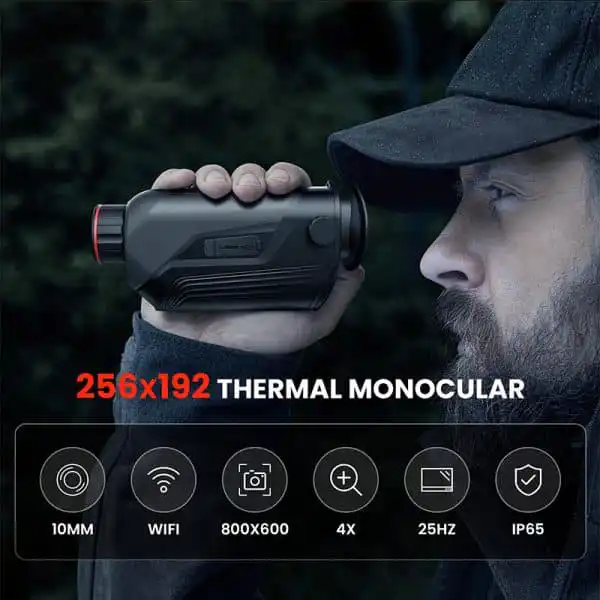
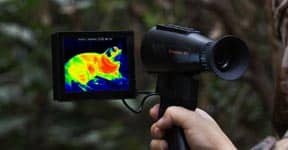
A narrow gap between overlapping bodies may occupy very few original samples even when the enlarged image fills a large screen. Native detector dimensions and optical coverage must be disclosed separately from enhanced output and saved-photo dimensions. thermal resolution distinctions and native-detail interpretation help prevent this common comparison error.
Use contrast and distinguishability concepts to ask whether the gap is actually visible, not merely whether a display has many pixels. A warmer background can reduce a useful boundary. Do not claim that a certain array size guarantees separation at every distance. The original scene, optics and actual obstruction remain part of the evidence, and a covered gap cannot be recovered by selecting another palette.
| Check | What to record | Decision |
|---|
| Background | Warm walls, exposed ground and the normal stationary viewing position | Require evidence that resembles the enclosure rather than an isolated-subject demonstration. |
| Native detail | Detector sampling and optical field, separate from output and display dimensions | Judge visible gaps in original samples, not enlarged pixel counts. |
| Overlap | Separable outlines over a sequence with positional references | Do not turn uncertain merges and reappearances into a precise count. |
| Use boundary | Supporting observation with ordinary confirmation where needed | Exclude automatic identification, health assessment and guaranteed completeness claims. |
Use More Than One Moment Without Inventing Individuals
A short original sequence may reveal bodies separating briefly, but the reviewer must avoid counting the same visible animal twice after it moves behind another. Keep positional references and uncertainty. motion evidence and recording-path checks help establish what the supplied sequence actually preserves.
thermal-infrared sensing concerns emitted and received radiation, not identity tracking. Do not infer persistent individual recognition, automatic counting or calibrated temperature measurement unless the exact product discloses and supports those functions. Compare farm binocular selection and farm observation setup against this limited task. If overlapping subjects remain inseparable, report that limit rather than filling the missing view with a plausible number.
A review sheet can mark a body boundary as clear, partly merged or concealed without assigning an animal identity. Apply the same vocabulary throughout the sequence. That makes changing overlap visible to a later reviewer and avoids treating a temporary separation as proof that every animal in the enclosure has been independently observed.
Purchase for a Useful Supporting View
A practical seller request identifies the station, enclosure background, approximate distance and the detail required. Ask for original footage under comparable conditions and an explanation of any processing. A live sample should retain enough surrounding scene to reveal why an outline is or is not distinguishable.
Use supplier evidence questions, binocular value priorities, complete system tradeoffs, task-led equipment choice and pre-session observation checks. Choose a viewer that adds useful context to normal animal checks without replacing them. The strongest purchase case may be clearer exposed movement or easier stationary viewing, not a promise to resolve every animal in a crowded enclosure.
Ask for a representative enclosure sequence and keep uncertain overlaps visible in the comparison. Buy a useful supporting view, not an unsupported complete-count promise.