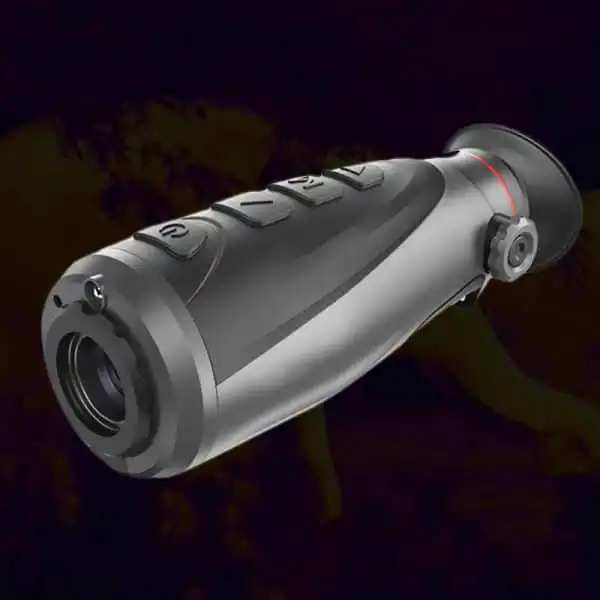
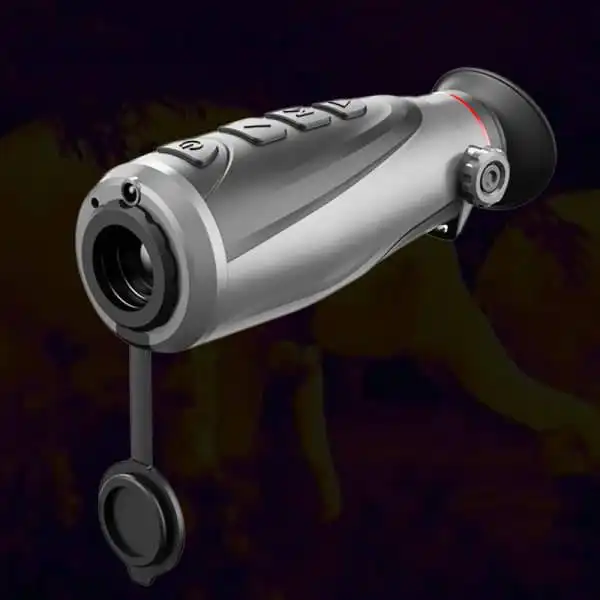
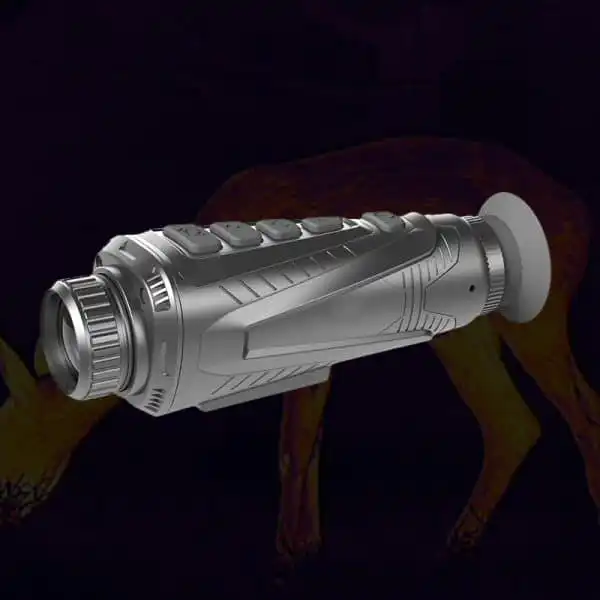
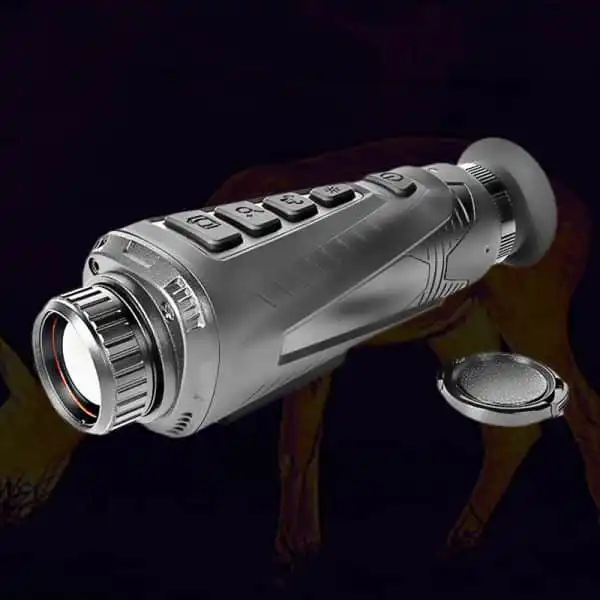
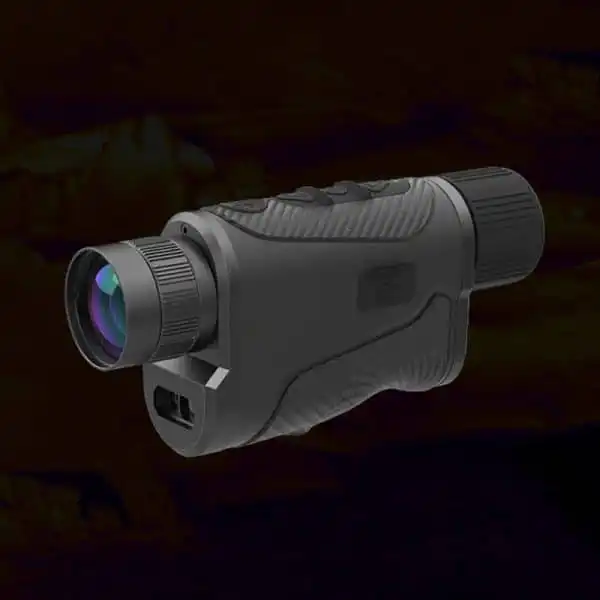
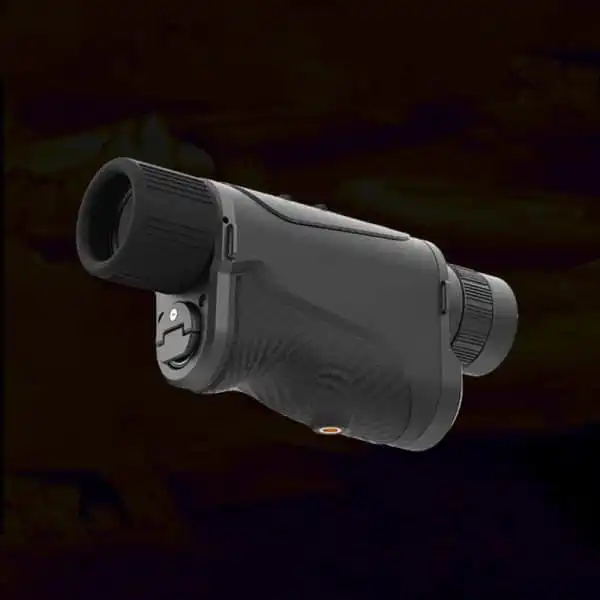
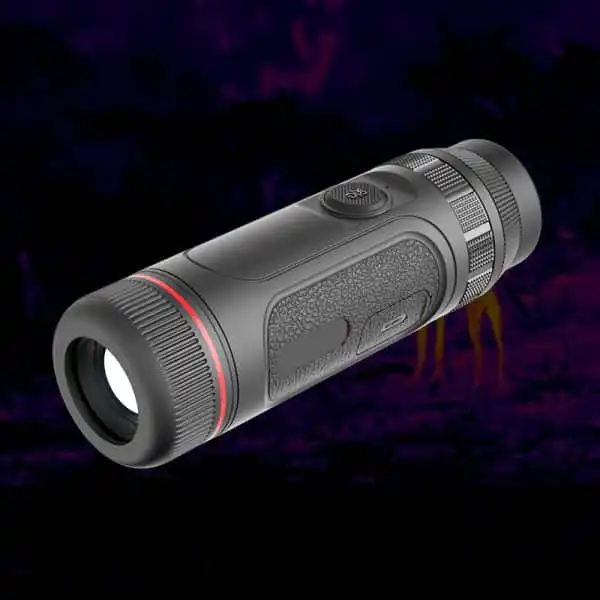
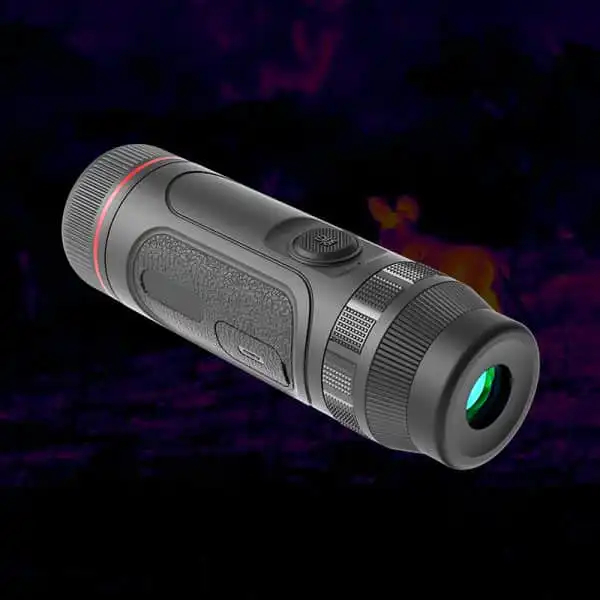
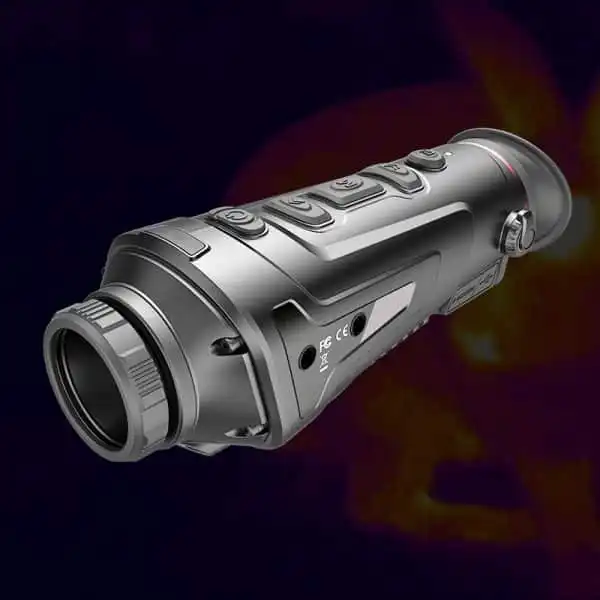
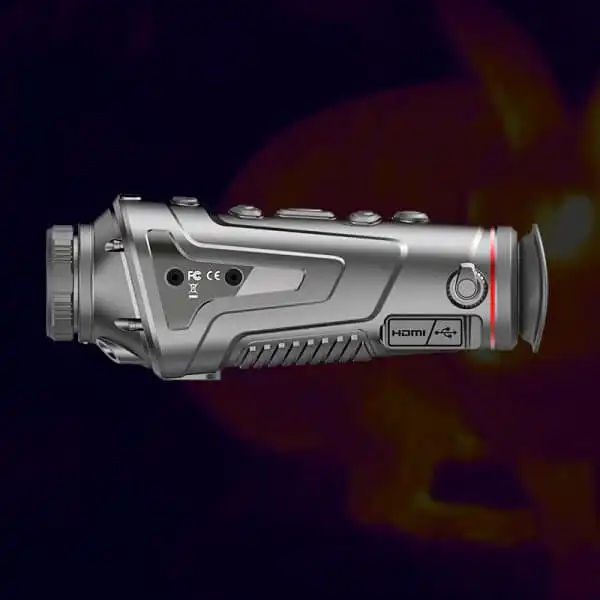
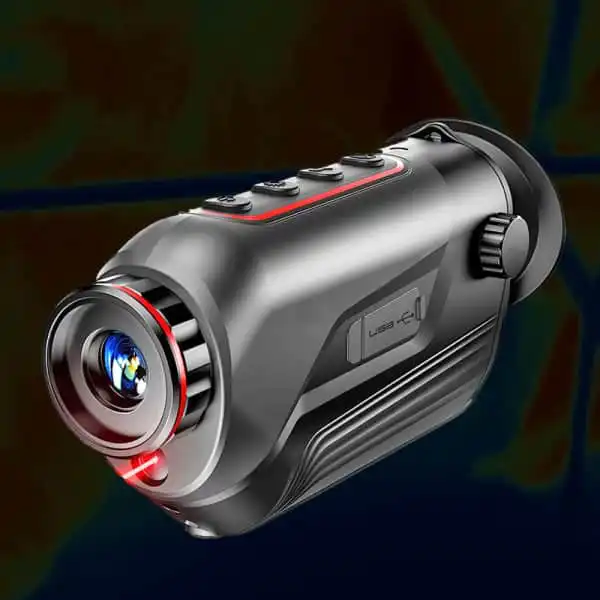
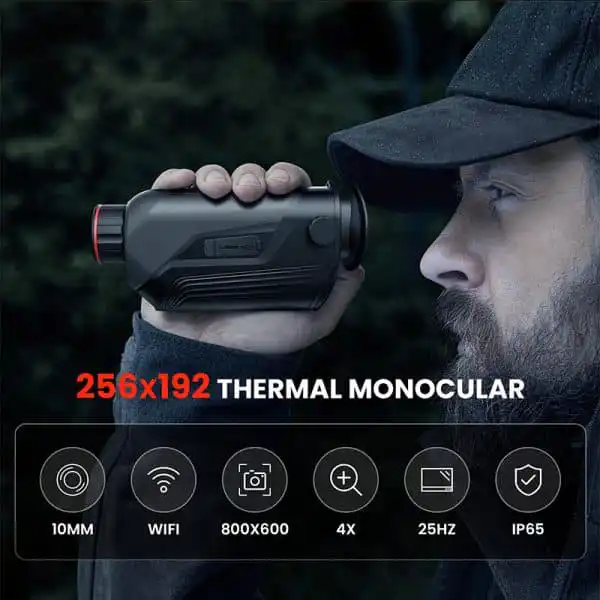
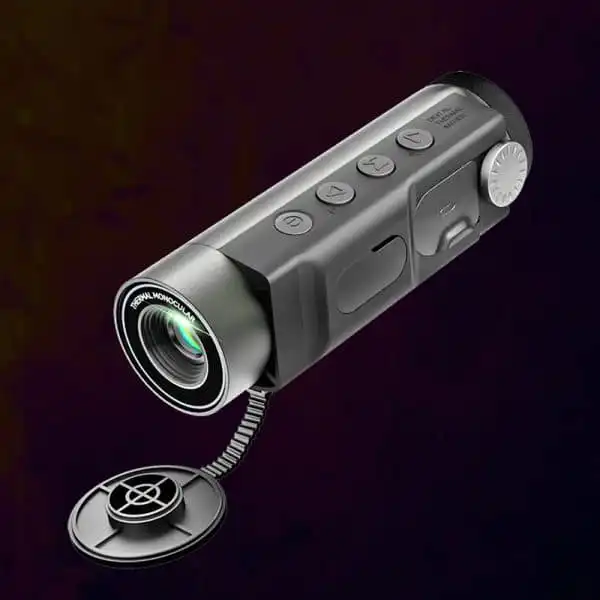
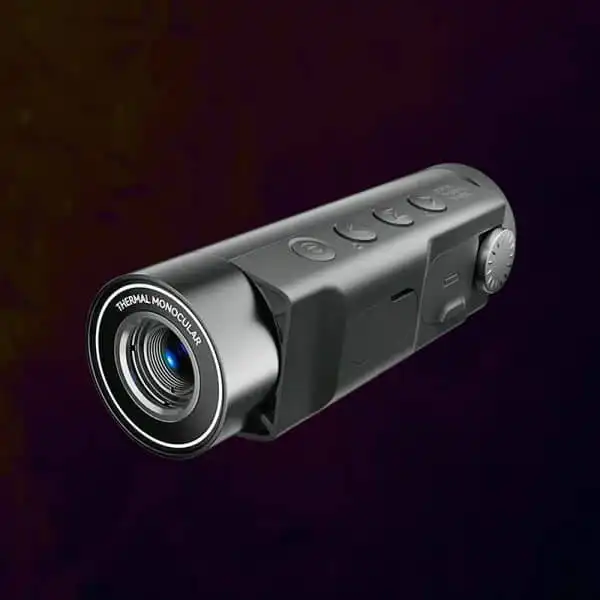
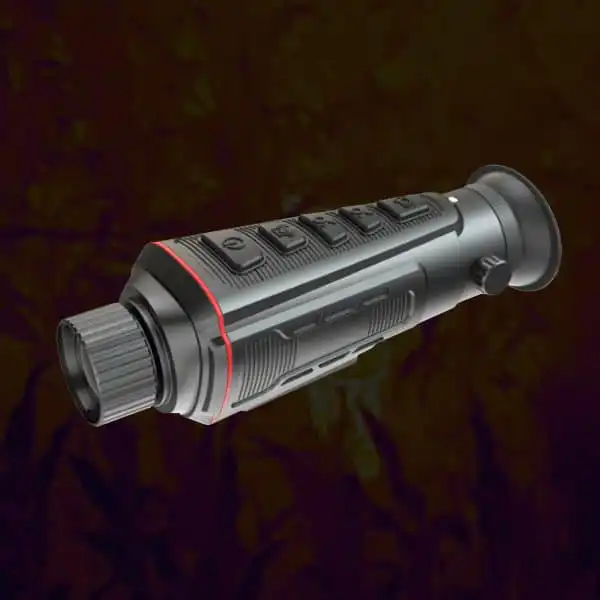
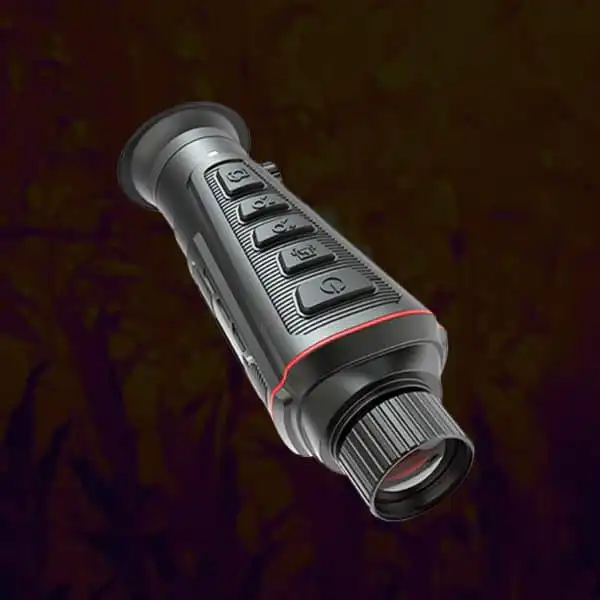
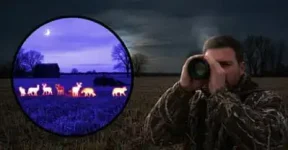
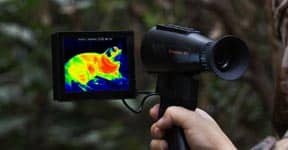
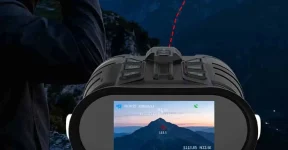
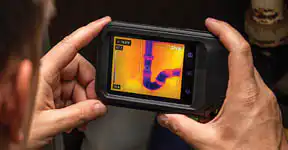
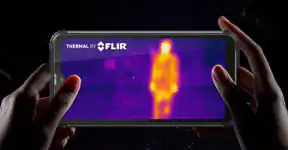
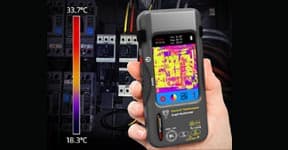
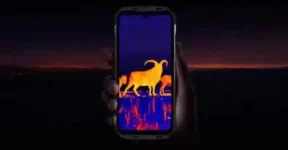
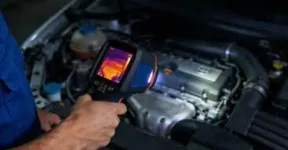
Best budget thermal binoculars for a stationary bankside view should preserve the exposed animal outline and the water-edge context around it. Select a palette you can interpret consistently and inspect original recordings before a sharing copy. This is wildlife viewing from the bank, not a method for detecting fish below water or a current-price product ranking.
Best Budget Thermal Binoculars Should Serve the Bankside View
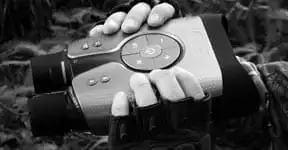
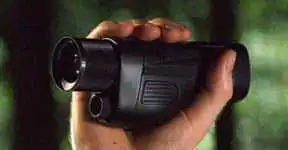
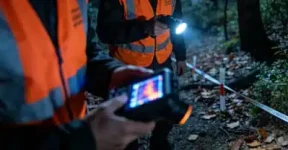
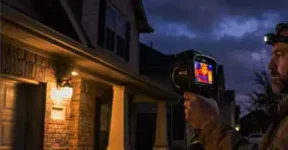
An outdoor guide taking a pause during a night-fishing outing may watch birds or mammals at an exposed bank. That is a separate nature-observation task from fishing. thermal binocular fit for outdoor viewing should be matched to the visible shoreline and the normal stationary position.
Use task-based thermal equipment selection to state what is required: noticing an exposed body, following a short movement or recording a recognizable feature. The viewer does not reveal fish below water or wildlife concealed by a solid bank structure. A budget choice can be useful when these limits suit the task. Price alone does not establish useful detector detail, and no current winner is asserted here.
Read Palette Changes Against the Shoreline, Not Against Expectations
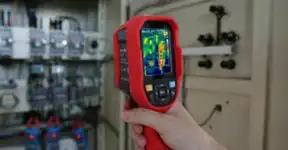
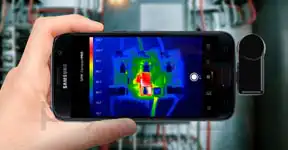
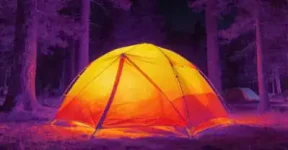
Water, vegetation and exposed animals can present different apparent contrast from one viewing angle to another. Start with a familiar palette and retain enough context to understand where the outline sits. the role of false color in interpretation is useful general background, not evidence that a handheld palette measures an animal’s temperature.
Compare thermal outdoor background conditions before interpreting a prominent patch. thermal discovery followed by visible confirmation can add features absent from the silhouette. An owl or fox may be located when exposed without becoming a definite species record. Keep that difference in the clip description rather than treating an attractive color or expected location as identification.
| Practical question |
Relevant evidence |
Boundary |
| Bankside task |
Exposed animal and permitted stationary position |
Not an underwater fish-detection claim |
| Palette |
Known mapping with shoreline context |
Not measured temperature |
| Composite recording |
Actual inset and original file |
Not proof of two source exports |
| Complete cost |
Exact kit and current order terms |
Not a price-only comparison |
Compare the Original Channel With the Saved Composite
A thermal inset can be shown inside a digital main view, but the recording may save only that composite. multispectral recording checks should include a sample from the exact mode the guide intends to use. Do not infer two independently editable originals from a live dual display.
The reflected and emitted infrared distinction explains why digital and thermal frames can supply different information. Review separate sensor and output dimensions rather than assigning digital-video resolution to the detector. If the composite loses the small animal outline, ask whether a supported thermal-only recording would preserve it better. Confirm the file rather than selecting a device by the number of viewing modes.
Check Each Eye Before Assuming a Detector Fault
One dark eyepiece, stiff spacing or unexpected display shutoff needs a precise description. Follow the documented settings and adjustment range without forcing the mechanism. two-eye fit and comfortable viewing can be assessed with the same glasses and duration normally used beside the bank.
Use beginner binocular operation checks to try raising, lowering and returning to the view. A support report should state which eyepiece and channel are affected and whether the saved image shows the same problem. Good thermal footage elsewhere in the system does not establish comfortable eye fit, while an awkward eyepiece does not automatically diagnose a damaged detector.
Price the Actual Ready-to-Use Routine
The order may require a supported carrying arrangement, approved backup power or an accessory that a promotional picture makes look included. supplier details to resolve before payment should identify these components for the exact variant. A discounted multispectral kit and a thermal-only viewer are not equivalent simply because their headline prices are similar.
Review rural binocular buying priorities alongside documented battery order and charge indicators. Do not assume which supply is used first or whether every accessory is bundled. A simpler supported setup may make the bankside observation easier to repeat. Current kit costs, service and availability must be checked separately from the general buyer-fit reasoning in this guide.
Keep the Useful Record When the View Remains Uncertain
Record the viewpoint, available outline and which channel helped. Retain the original file and disclose any crop used for sharing. A different optical path can explain a thermal and visible mismatch, but persistent abnormal behavior still needs support for the exact configuration.
Use questions about target detail and channel behavior with the thermal optics collection to refine a shortlist. Buy the kit that lets the guide keep a faithful bankside nature record. No palette, price category or two-eye housing turns a hidden body or small ambiguous patch into certain wildlife evidence.
Choose for an exposed shoreline record and a supported full kit. Verify original files and current order terms, then preserve the limits of palette interpretation and species detail. Useful budget guidance starts with the actual observation, not a dramatic water image.