Best Thermal Night Vision Needs a Realistic Session, Not a Brief Fit Check
A farm owner may spend much of an evening at one authorized viewpoint rather than carrying the viewer between fields. The decision is how much of the normal scene can be observed comfortably over that duration. whole-system comfort and practical value should be assessed with the real support, clothing and approved battery arrangement.
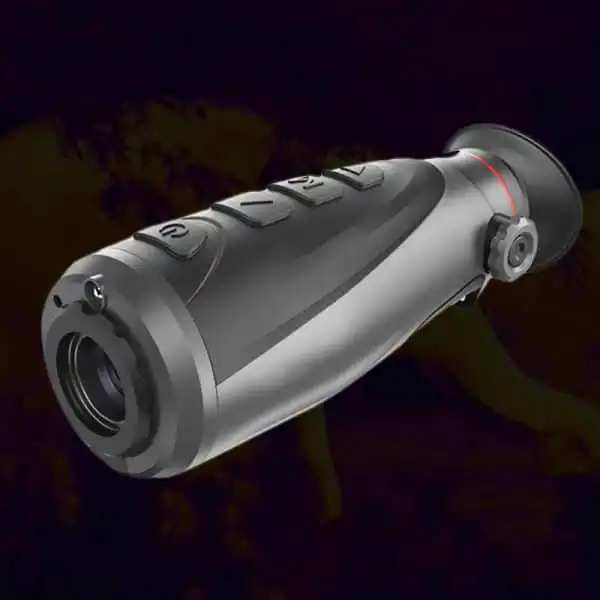
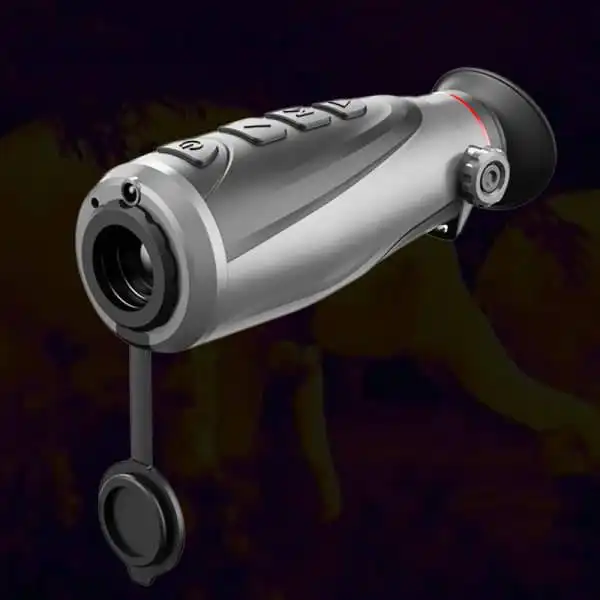
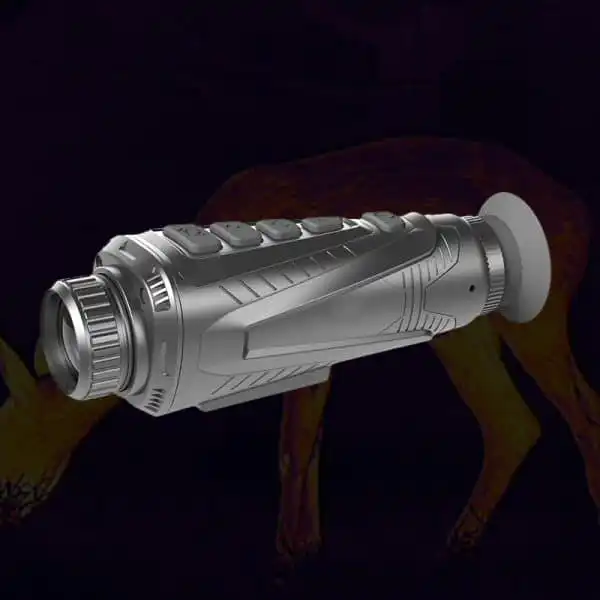
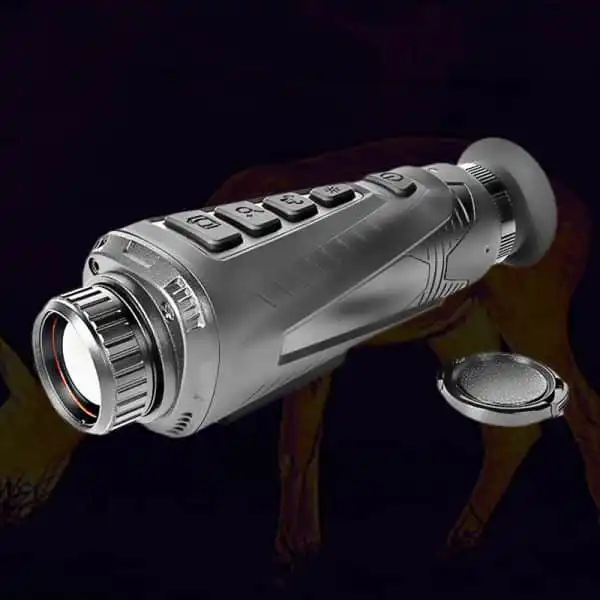
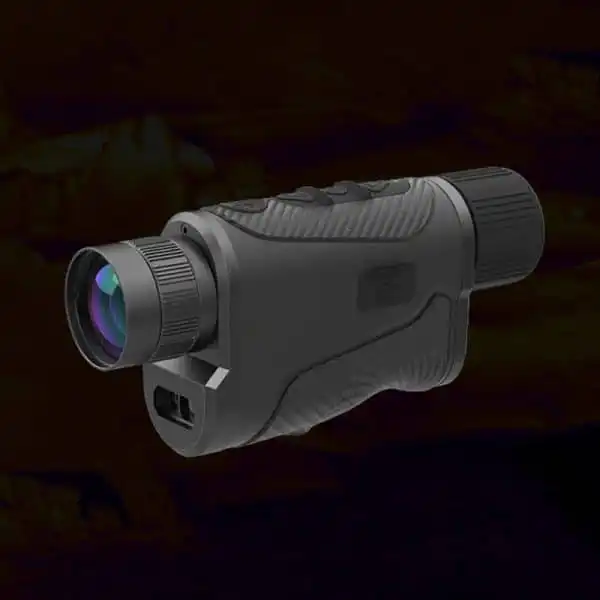
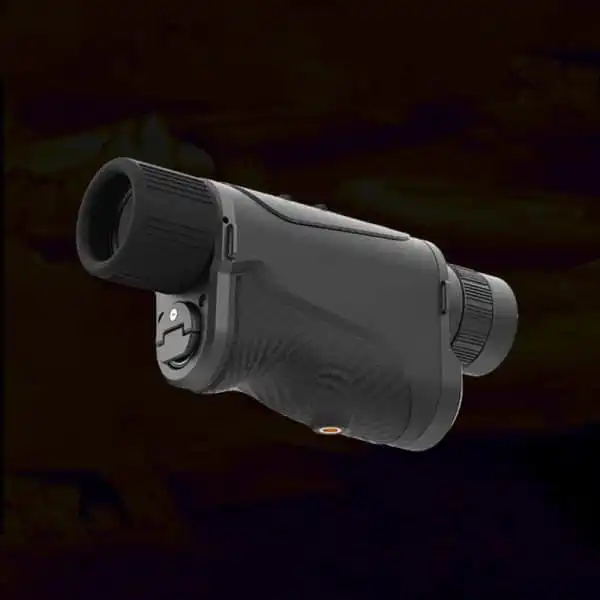
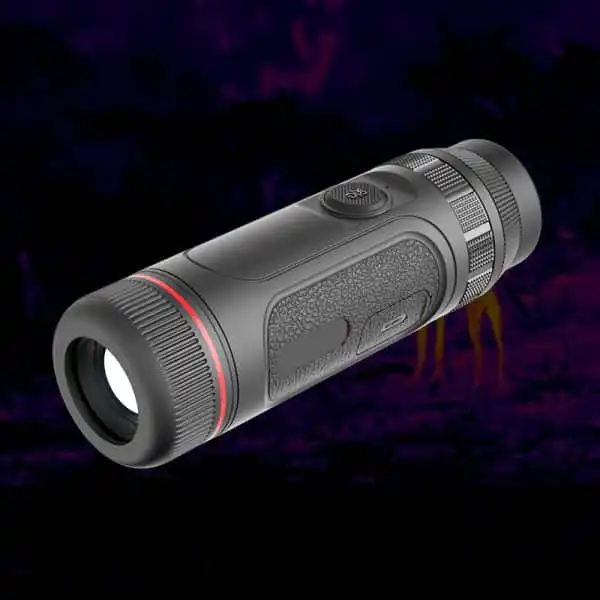
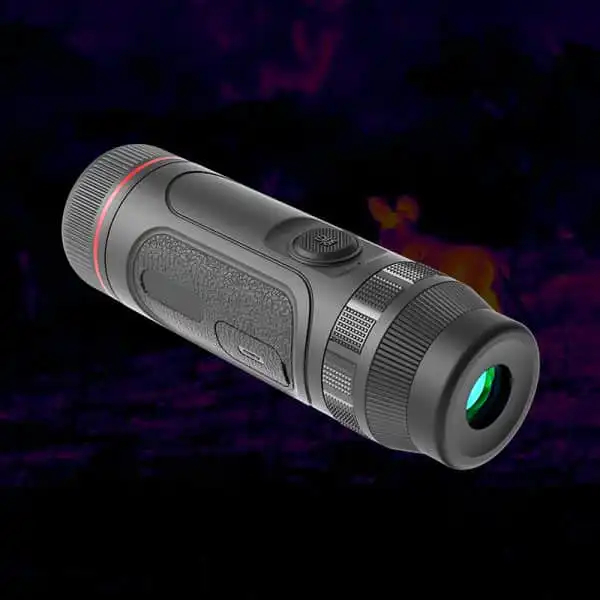
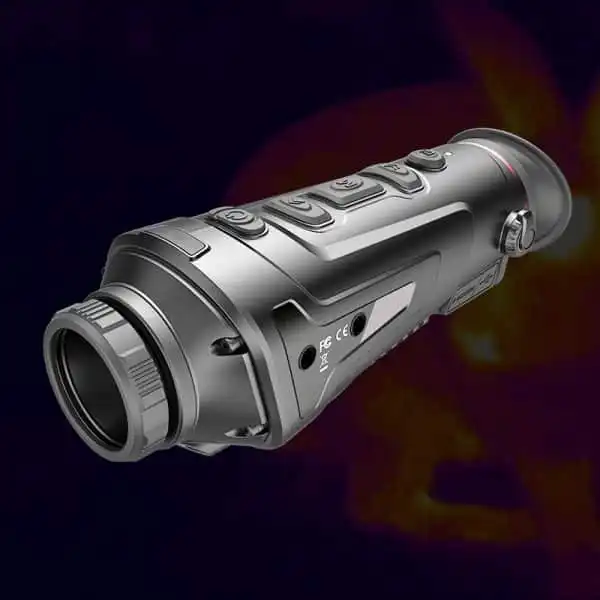
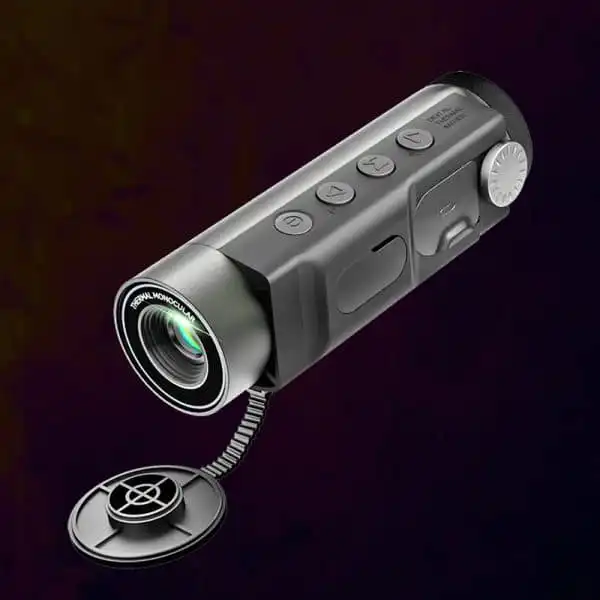
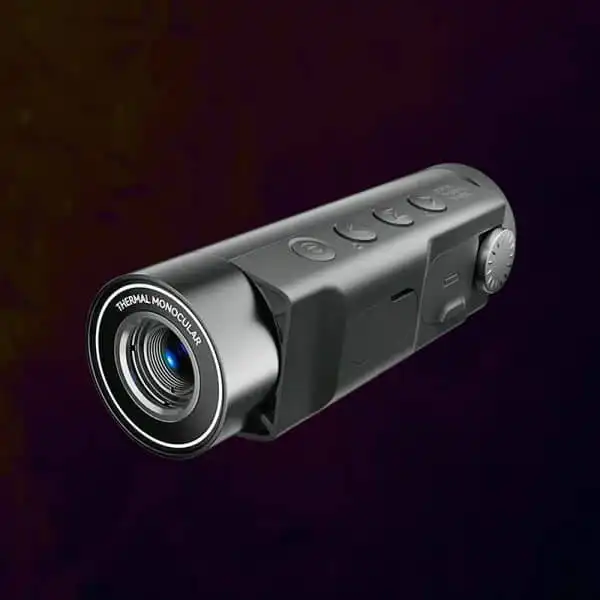
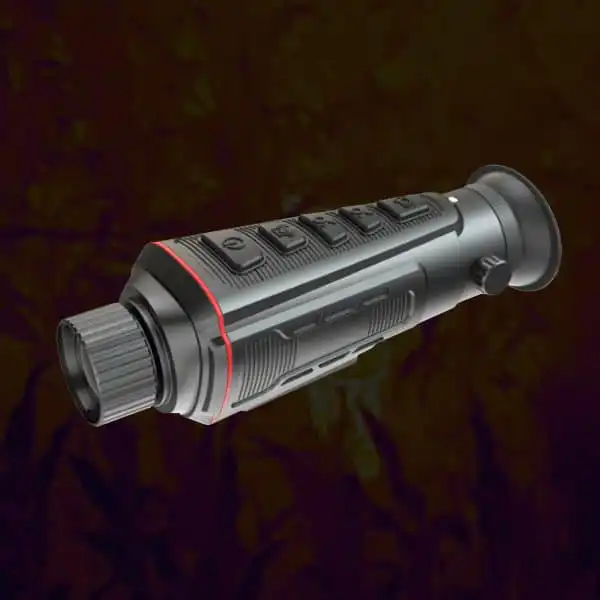
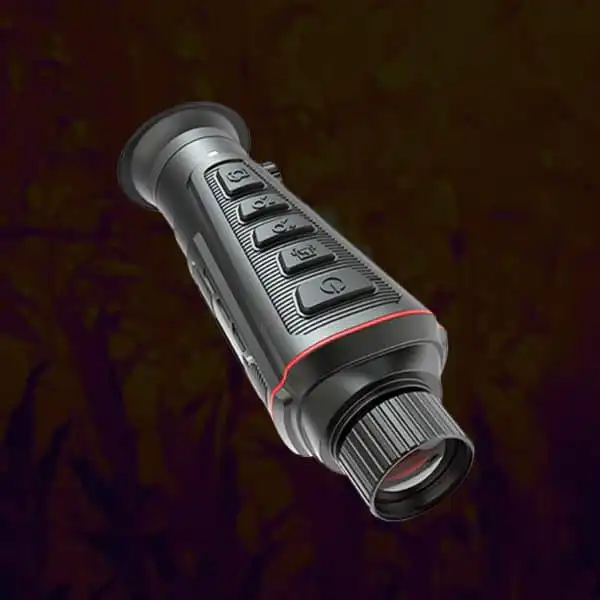
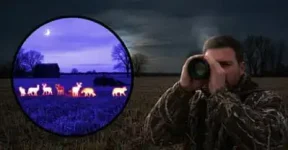
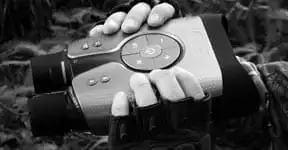
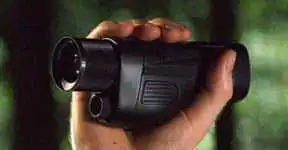
Use matching the form factor to the observation task before assuming a worn display is necessary. The phrase best thermal night vision can describe several arrangements, but this guide concentrates on a supported thermal goggle system. A short stationary demonstration should be extended only while comfortable, without treating endurance of discomfort as a prerequisite for useful observation.
Best thermal night vision for a long stationary watch depends on keeping the required scene accessible without uncomfortable sustained viewing. Judge usable field coverage and individual eye position as a complete system, then plan pauses and a supported recording routine. A larger screen or high refresh number alone does not establish comfortable long-duration observation.
Choose the Field Coverage That Reduces Unnecessary Reframing
A tight view can require repeated searching for the same fence opening after a target leaves the frame. focal length and field coverage explain the lens relationship, while actual display framing and eye position determine what the user can comfortably access.
Compare compact thermal viewer positioning at the nearest and farthest normal observation areas. The usable eyebox is not established by screen size alone. outdoor thermal view limitations should remain visible in the record. A wider view may make the session easier to follow without guaranteeing more detail on a small distant animal. Do not replace one unsuitable lens with another merely because it advertises a larger zoom maximum.
Decide Which Eye Arrangement You Can Actually Use
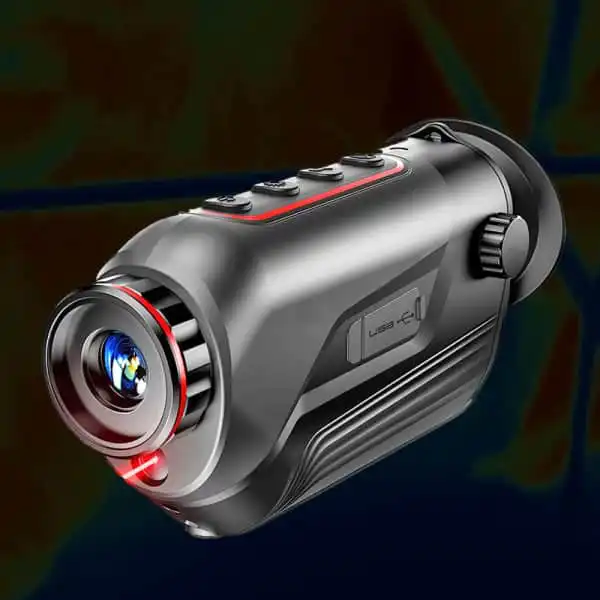
One-eye and two-eye thermal configurations have different adjustment and carrying demands. A paired thermal and digital view can introduce unequal scale, brightness or delay. mixed thermal and night-viewing arrangements should be tried individually, not inferred from a review by another observer.
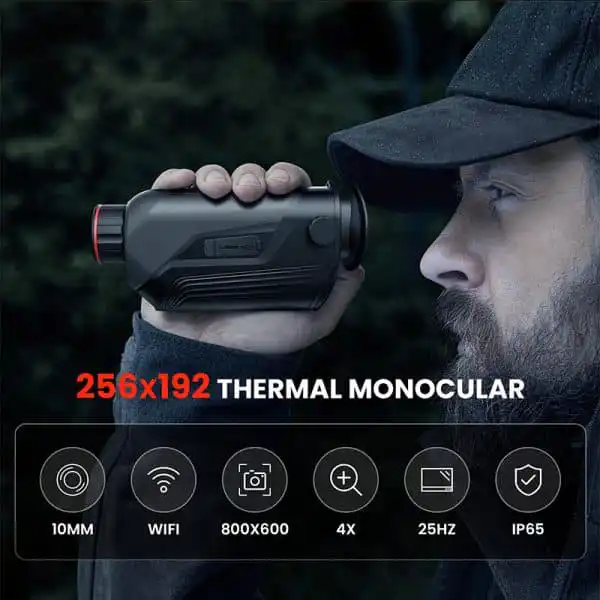
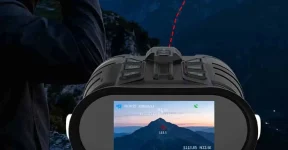
Use two-eye stationary viewing alternatives as a legitimate comparison if a supported binocular is easier for the long session. A product called goggles does not establish the viewing-eye count. Nor does a nominal refresh figure establish negligible end-to-end latency. Stop persistent strain and reassess the complete setup rather than assuming more practice will make every arrangement suitable.
Schedule Pauses Around the Record You Need to Keep
A long session does not require continuous screen exposure. Define what event or interval should be recorded, then consider whether supported standby or display-off behavior suits the task. initial controls and saved-file checks should establish how the unit resumes and whether a clip has completed.
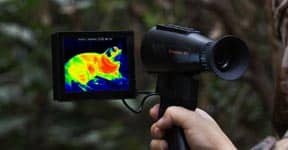
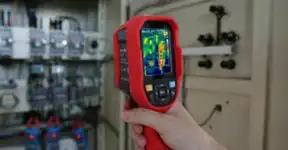
The thermal imaging signal helps explain why the device can show exposed contrast without visible light, but it does not predict a battery-swap outcome. Compare questions about thermal power and recording behavior with the exact system. Do not assume a view that remains powered means the last file survived an interruption. A supported reserve and file check belong in the plan alongside comfortable viewing pauses.
| Observation | Evidence to keep | Interpretation |
|---|
| Scene coverage | Base frame at normal near and far positions | Reduce repeated loss of context |
| Individual fit | Usable eye position with full support | Do not infer comfort from screen size |
| Viewing intervals | Documented pause and resume behavior | Keep recordings and pauses compatible |
| Connected kit | Port, cable and storage conditions | Do not transfer closed-housing assumptions |
Keep Weather Protection Specific to the Connected Kit
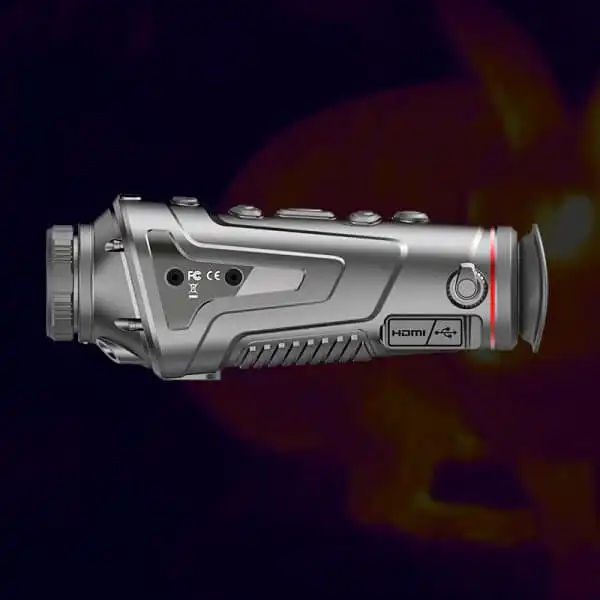
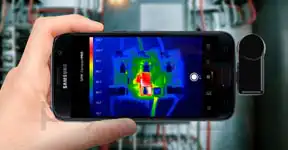
A closed housing and a housing with a cable attached may have different permitted conditions. complete thermal demonstration checks should include port-cover behavior and the approved output configuration. A connector that fits does not establish retained ingress protection or simultaneous power and video support.
Review display response and correction behavior while the system is stable. Apparent movement can come from fit or support shifts as well as processing. At the end of the session, store the viewer and bridge as documented without loading delicate adjustments. Dry carrying materials appropriately rather than sealing a damp kit into its case.
Choose the Whole Session Method Before Spending on a Second Viewer
A second thermal unit may add weight, alignment and independent correction pauses without supplying a proportionate increase in useful information. Determine whether another channel answers a missing observation question before adding it. Keep native arrays separate from enhanced output and screen dimensions.
Compare complete-kit budget priorities with the thermal optics collection and your written session method. No model ranking or current price is claimed here. The suitable equipment lets the observer retain an interpretable scene for the needed intervals, with ordinary visibility available for other tasks and with comfort, power and connected-use limits documented.
Choose a complete viewing method, including coverage, individual fit and pauses. Test the recording transitions and connected configuration explicitly. A long session should remain useful and comfortable without relying on assumptions about screen size, extra viewers or nominal refresh.