Best Thermal Goggles Need a Parking-Area-Sized Observation Question
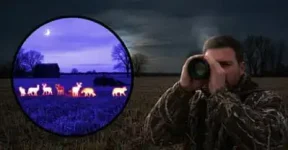
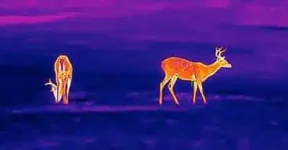
A wildlife videographer may notice movement near a rural parking area after people leave. The useful question is whether an exposed animal crossed a visible gap, not whether the viewer reveals everything around every vehicle. matching a thermal viewer to the observation task should define the required body detail before any range claim is considered.
Keep permission, a stationary viewpoint and a respectful distance part of the recording method. practical checks for a thermal viewing setup include access to ordinary environmental visibility. The equipment is not a guarantee of property surveillance, and a bright silhouette should not be used to infer a person’s identity or intent. Keep the record directed at the stated nature-observation task.
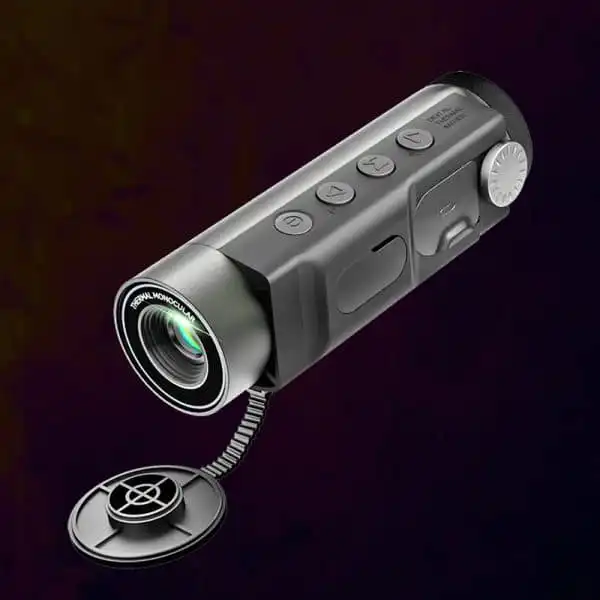
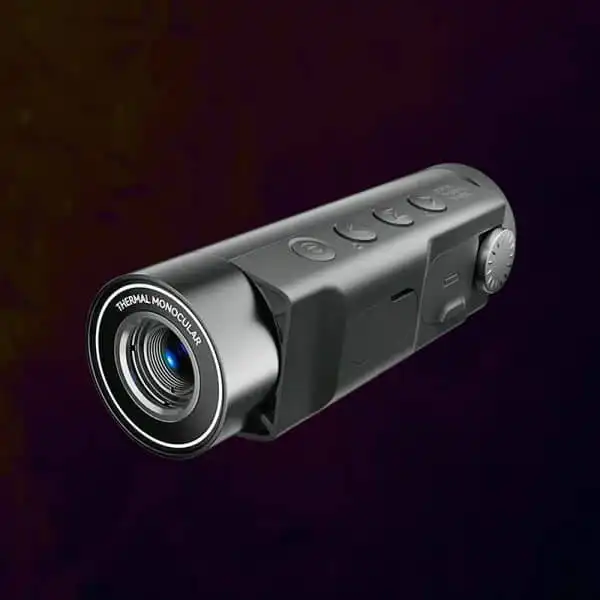
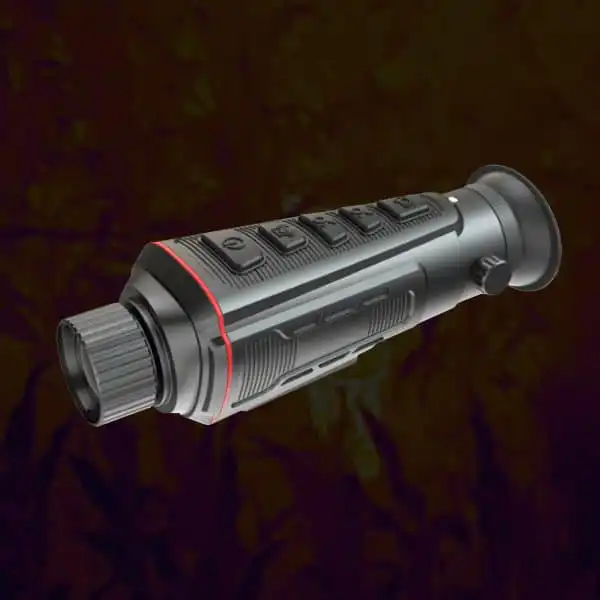
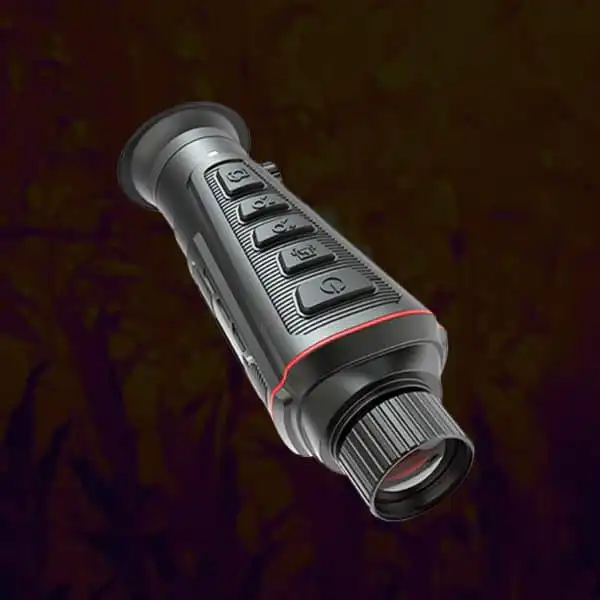
Best thermal goggles for a parking-area wildlife record should help distinguish exposed animal movement from residual heat on vehicles and surfaces. Start from an authorized stationary position, retain scene context and confirm recognizable features through suitable ordinary viewing. A thermal patch beside a parked vehicle is not automatically wildlife, and the viewer does not see through the vehicle body.
Establish the Residual-Heat Background Before Naming a Shape
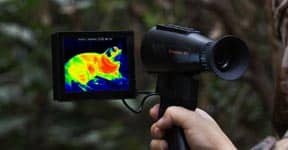
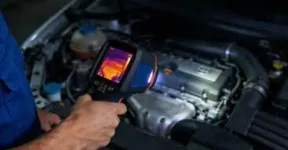
An engine area, sun-warmed surface or other object can remain prominent even when no animal is present. The thermal infrared imaging principle explains a signal from available radiation, not a category label for every bright object. A still patch deserves a different interpretation from a continuous moving body outline.
Use outdoor thermal background limits to compare the opening with its surroundings. thermal discovery followed by confirmation helps separate an exposed animal from an ambiguous fragment. A solid vehicle panel blocks the direct thermal view. Even a clear gap beneath a parked vehicle shows only the radiation reaching the lens from exposed portions, not a complete hidden-space inventory.
Keep Enough Frame Width to Show the Gap
If a cropped clip removes the vehicle, nearby shelter and ground, its recipient loses the context needed to understand the observation. field coverage and focal length explain why a tighter view can enlarge the target while making the location harder to interpret.
Compare questions about useful target detail against the actual gap. A quoted detection distance for a large warm object cannot establish the same result for a small animal partly concealed beside it. compact thermal viewing choices should include a quick return to the wider base view. Record the context first and enlarge a copy only when the original already supports the body boundary you want to discuss.
Separate Balance and Output Problems From the Scene
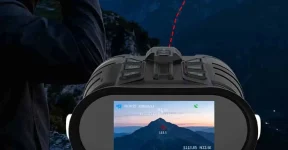
A viewer can show a usable outline but be uncomfortable in a complete worn setup. Forward placement, unequal image scale and cable routing deserve individual checks. thermal whole-kit comfort considerations should be tried over the ordinary stationary recording duration.
Use display movement and correction checks to distinguish a shifting support from processing behavior. A blank external screen can coexist with a working eyepiece if output settings or compatibility differ. Confirm simultaneous power and output functions explicitly. Do not infer a sensor fault or universal no-lag performance from one display path, and do not force continued use when visual strain or awkward balance appears.
| Observation | Evidence to keep | Interpretation |
|---|
| Stationary bright patch | Background and time context | Do not name an animal automatically |
| Exposed movement | Continuous original body outline | Describe only visible activity |
| Tight crop | Wider source frame | Preserve location context |
| Awkward worn view | Balance and supported fit trial | Do not confuse comfort with detector detail |
Retain a Contextual Original Instead of Only a Highlight Reel
Keep the original channel clip, selected palette and any uncertainty about the outline. A short description should say which part of the animal was exposed and whether another view confirmed a feature. thermal and digital evidence comparison supports this without implying that two images always combine naturally.
Review mixed viewing arrangement differences before calling a clip fused. Two separate viewers, an inset and electronic image fusion are different records. Avoid publishing incidental people or unrelated private activity as part of a wildlife example. Cropping for responsible sharing can be appropriate, but the original context should remain available for your own interpretation.
Choose for the Record You Can Defend
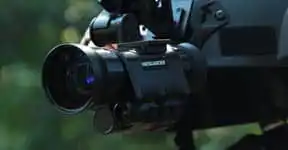
Ask for a representative moving sample near a similarly cluttered background and the exact native detector, lens and output specifications. Confirm supported fit, battery accessories and service. Device-only mass and the age of a design do not establish comfort for your complete arrangement.
Use budget priorities for a complete thermal kit alongside the thermal optics collection. No tested winner or current-price ranking is claimed here. Select the equipment that preserves an interpretable exposed-animal record rather than promising hidden-space visibility or certainty from a warm patch. A useful clip remains understandable after the dramatic color treatment is removed.
Map the visible gap, keep the background and describe the exposed movement. Compare a comfortable supported arrangement against that record. Thermal contrast is useful when context makes it interpretable, not when it supplies confidence about concealed activity.