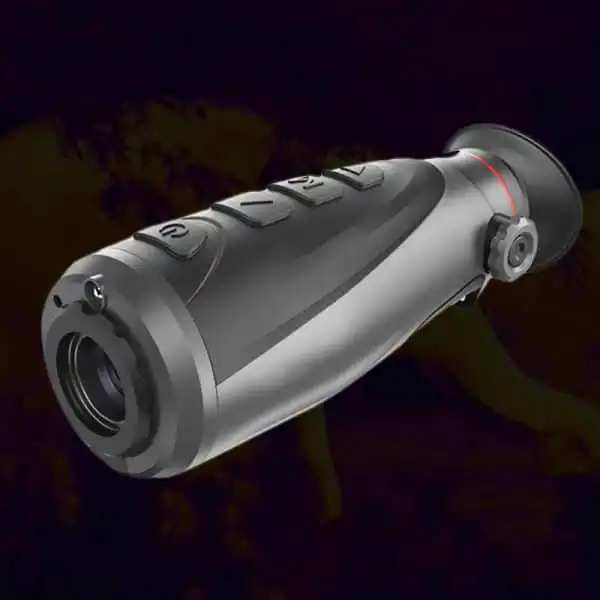
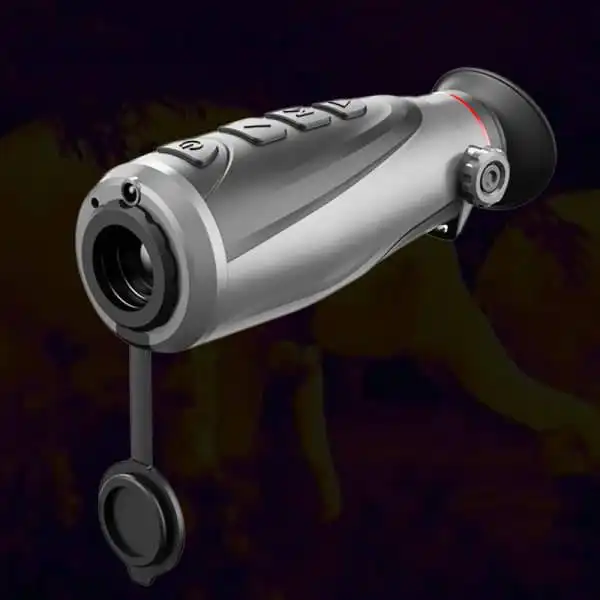
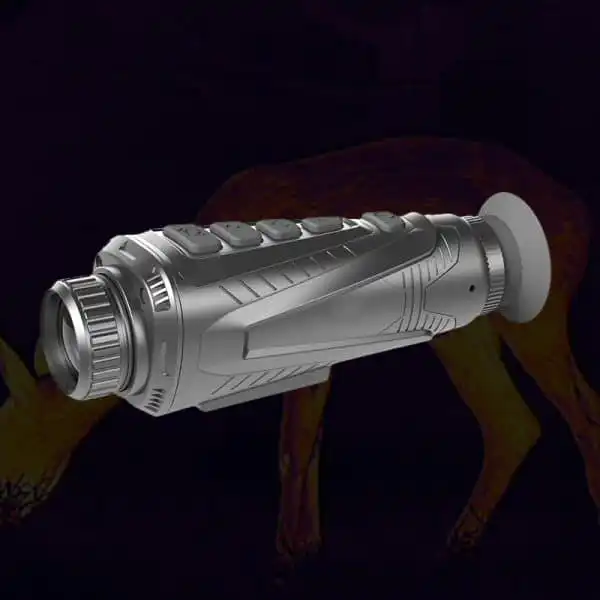
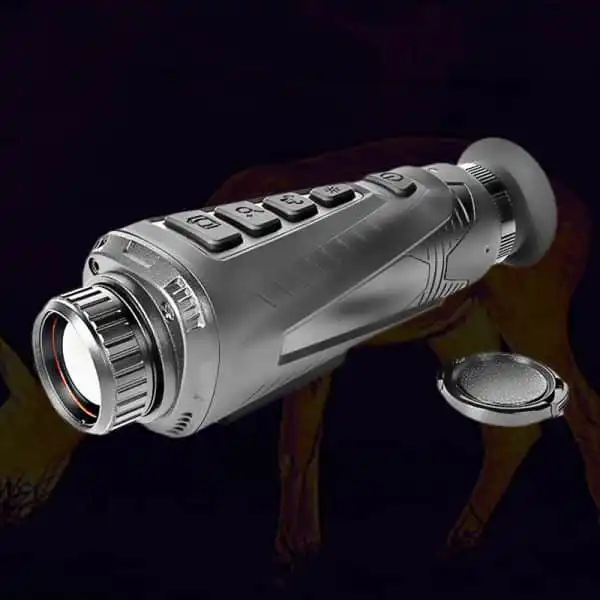
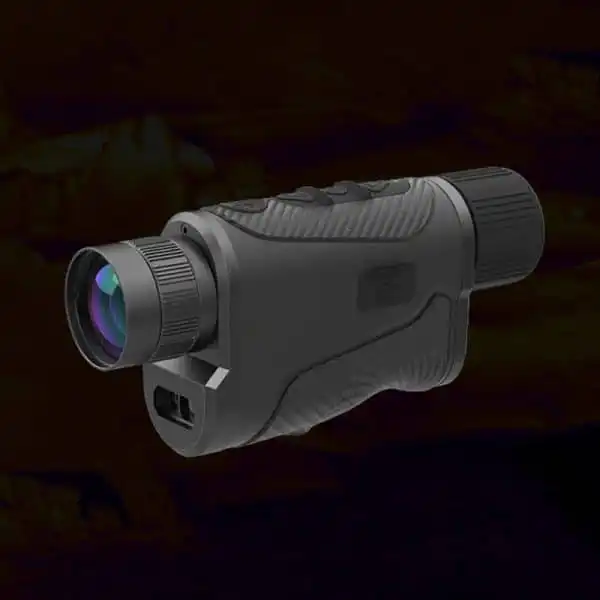
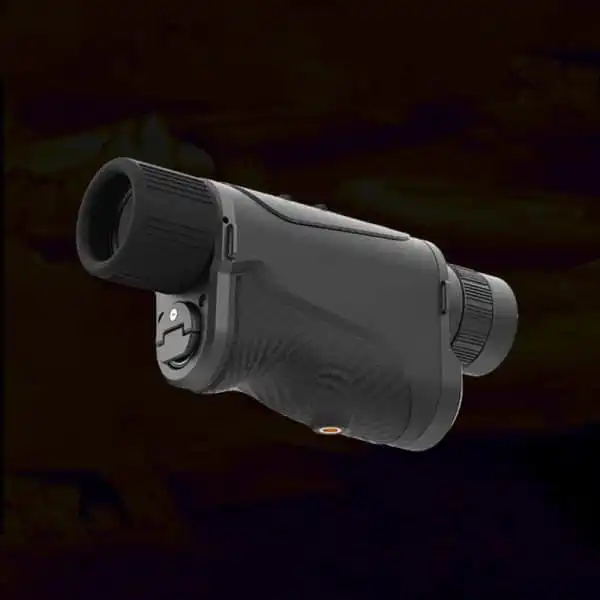
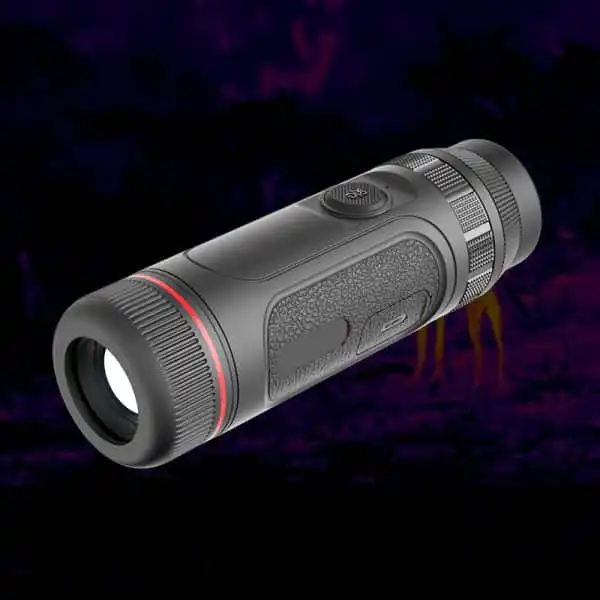
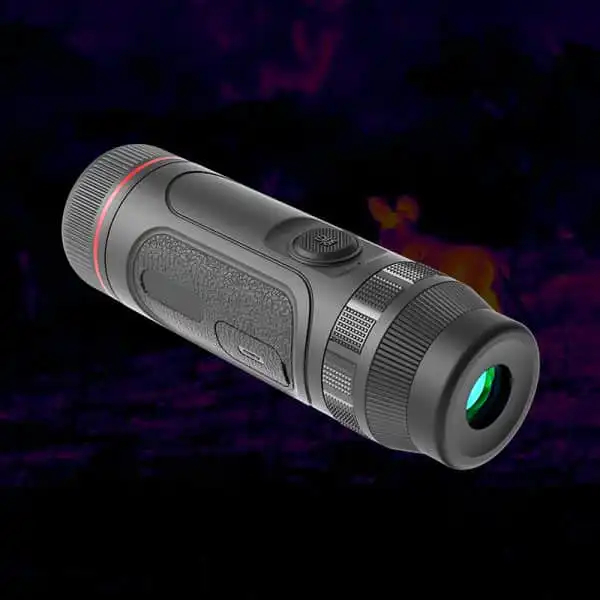
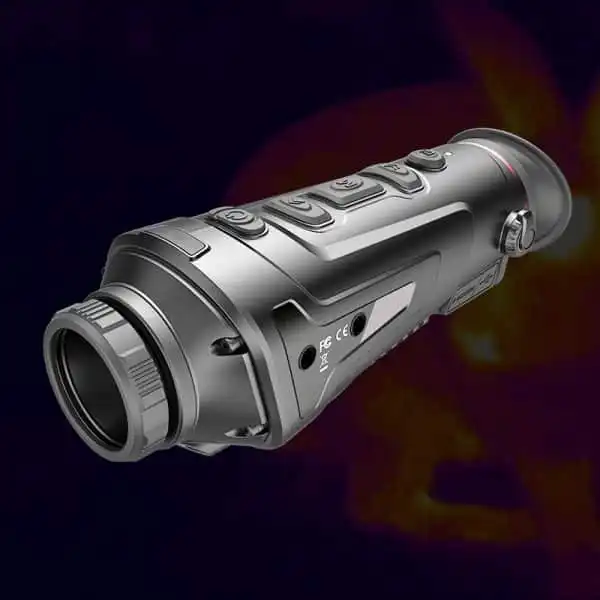
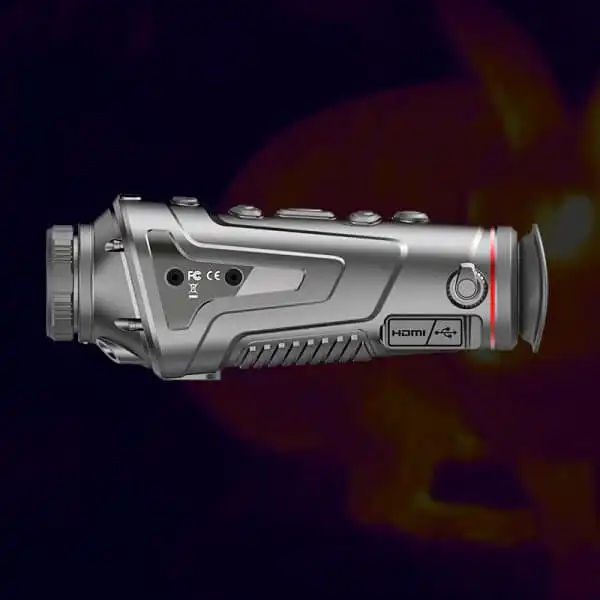
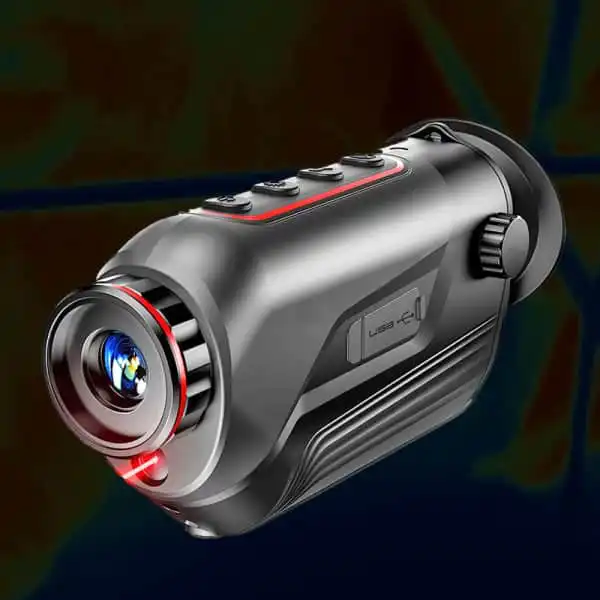
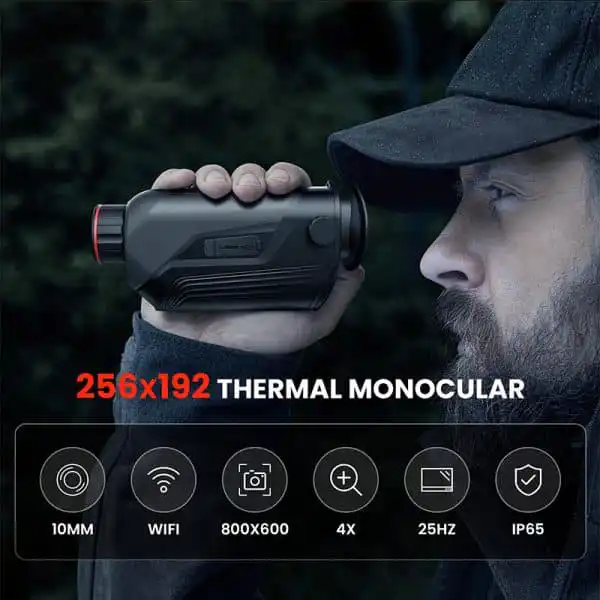
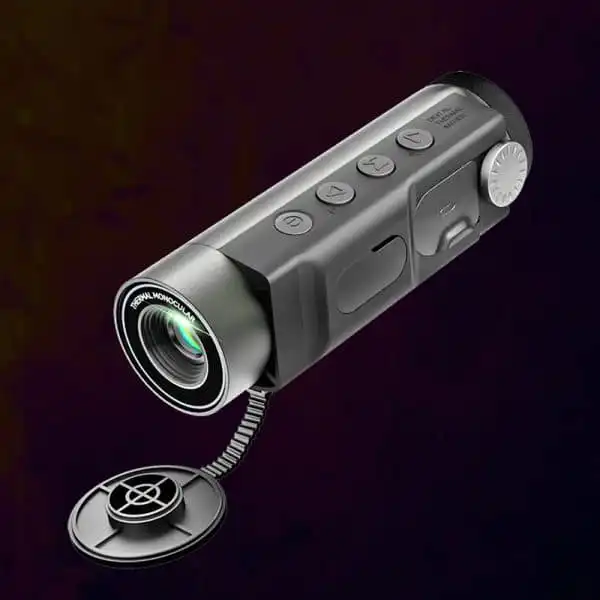
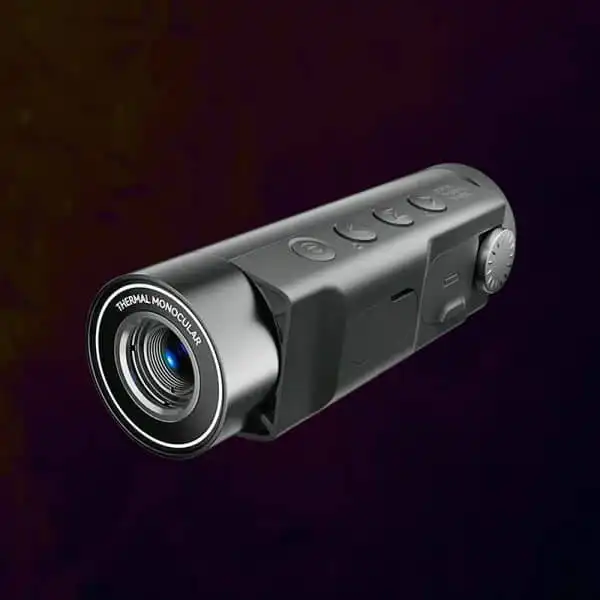
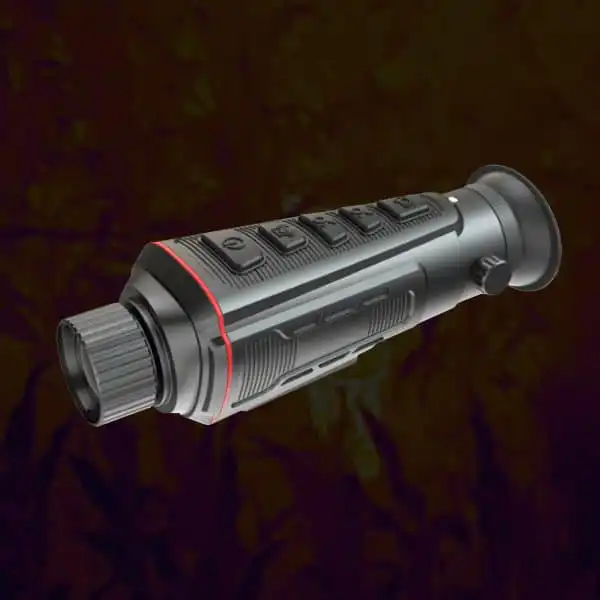
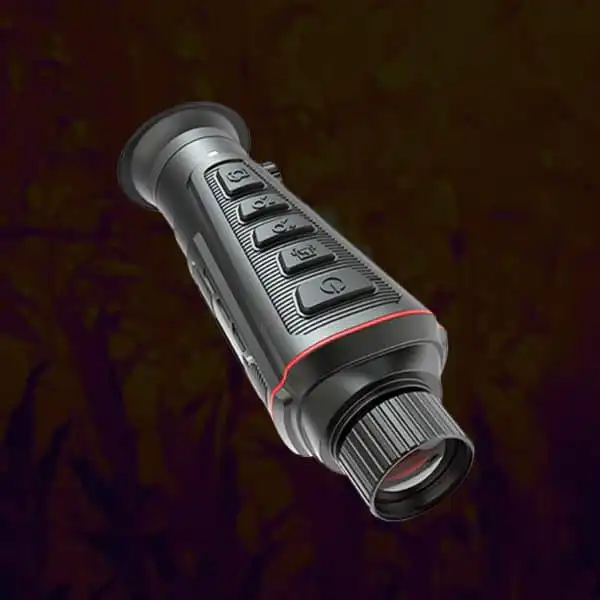
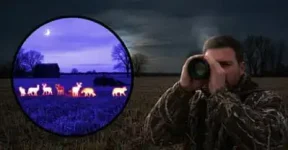
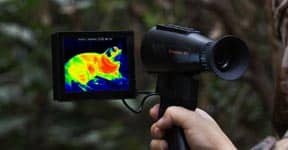
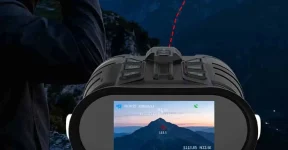
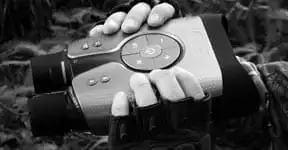
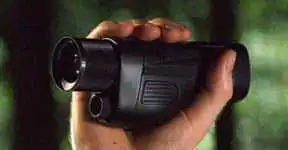
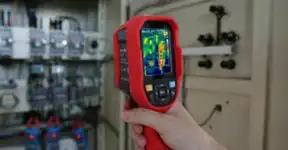
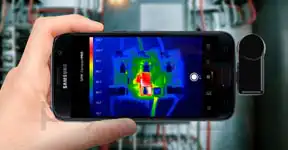
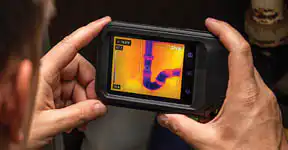
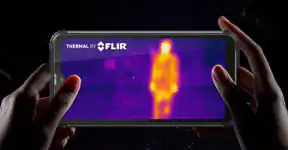
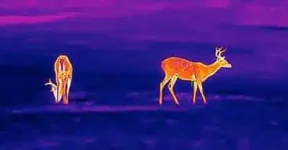
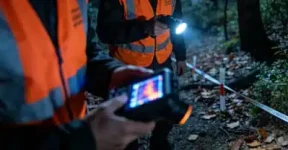
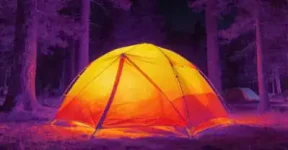
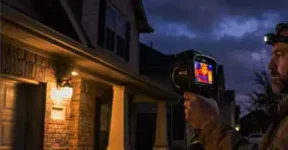
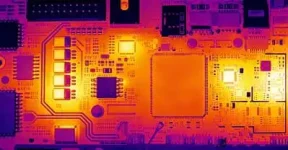
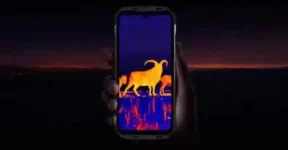
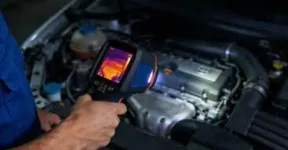
A thermal monocular and digital night vision demonstrate different kinds of scene information. Compare them from the same permitted stationary viewpoint with the channels, lighting and output paths labeled. Use ordinary exposed objects or undisturbed wildlife, retain originals and avoid interpreting thermal false colors as natural colors. Neither demonstration should imply visibility through walls, glass or hidden cover.
A Thermal Monocular Demonstration Needs a Fair Question
A buyer may want to know whether thermal discovery or ordinary visible detail better supports a short nature watch. That is more useful than asking which technology wins in every condition. Define whether the task is noticing exposed activity, seeing a visible marking or preserving a short record. Different tasks can favor different information.
Use monocular observation priorities and thermal versus digital distinctions to write the question. Keep the comparison stationary and ordinary. Do not use intense heat sources, disturb animals or stage hazardous situations to create a dramatic result. The demonstration should resemble the intended lawful observation, not manufacture a claim that either technology removes every environmental limitation.
Match the Viewpoint Without Pretending the Optics Match
Place each supported viewer at the same permitted position and record its native coverage. Identical location does not mean identical focal length, field or target sampling. optical field relationships helps explain why apparent target size can differ even before zoom. Record that difference instead of cropping both images until they look equally impressive.
Use separate native and output specifications, thermal detail interpretation and ordinary optical confirmation. The visible channel may show markings the thermal channel cannot, while the thermal channel responds to a different signal. infrared imaging fundamentals explains that distinction without establishing the performance of a particular model. Do not infer a detector or illumination system from image colors alone.
Use a result sheet with one column for each information type rather than better and worse. Record discovery clues, visible markings and unavailable detail separately. This avoids penalizing thermal imagery for not showing natural plumage colors or crediting digital imagery with thermal contrast that it never measured. Keep every conclusion attached to the actual scene and channel.
| Check |
What to record |
Decision |
| Question |
Activity discovery, visible marking or recording task defined before the demonstration |
Avoid a universal winner claim across unrelated uses. |
| Geometry |
Same stationary location with each native field and apparent target size documented |
Do not disguise optical differences by unexplained crops. |
| Conditions |
Channel, ordinary lighting, supported illumination and image settings |
Do not assume digital illumination adds thermal detector information. |
| Result |
Original files and the exposed feature each view did or did not support |
Retain uncertainty and exclude through-wall or hidden-cover promises. |
Label Lighting, Controls and Recording Paths
For digital viewing, note the actual ordinary illumination and any explicitly supported illuminator used. For thermal viewing, record the selected palette and processing mode where disclosed. Keep live impressions separate from recorded output and retain original files rather than comparing two differently edited promotional clips.
Use movement-sample questions, original export planning and daytime shade considerations. Do not assume an infrared illuminator improves the thermal channel or that a digital viewer works identically in every lighting condition. A supported dual-channel product should still disclose each channel separately. If an output is resized, recompressed or cropped, label the review copy instead of presenting it as the native acquisition.
Report a Task Result Rather Than a Universal Winner
Describe which exposed feature was available in each view and which remained uncertain. A useful conclusion may be that thermal helped locate activity while ordinary viewing supplied a marking. It may also be that neither view supported identification at the chosen distance. Preserve that result instead of increasing the claim to justify a purchase.
Use task-led equipment selection, alternative viewing arrangements, whole-system value, supplier evidence questions and environmental viewing limits. Keep materials between viewer and subject explicit: an ordinary window or obstruction should not silently become a through-cover capability claim. Choose the equipment or supported combination that answers the real observation question, with its actual controls, conditions and limitations visible to the next reader.
Compare one real task under labeled conditions and retain the originals. A useful demonstration explains what each view contributes without declaring a universal winner.