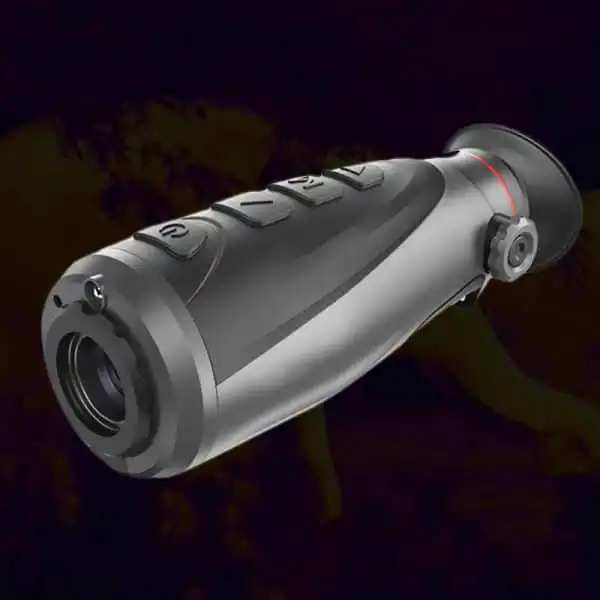
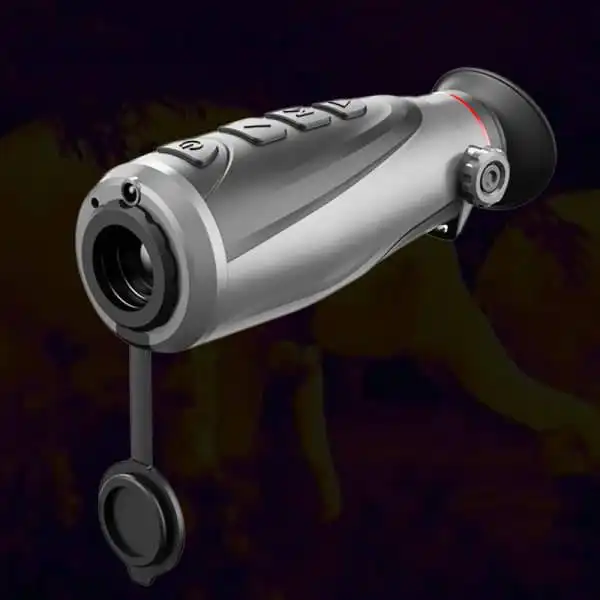
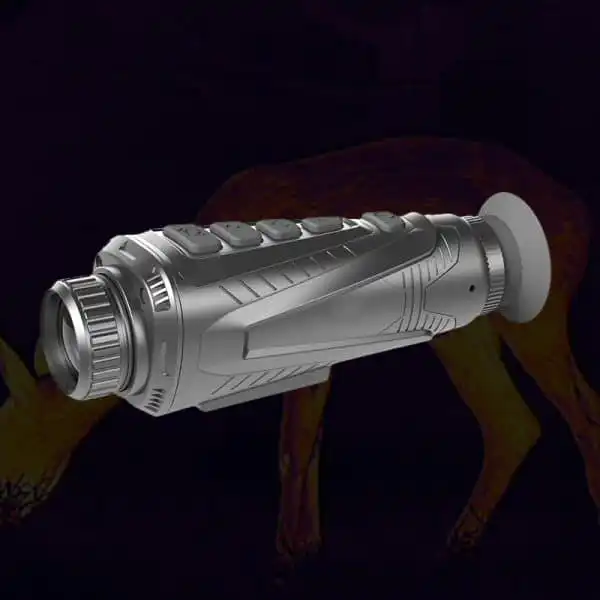
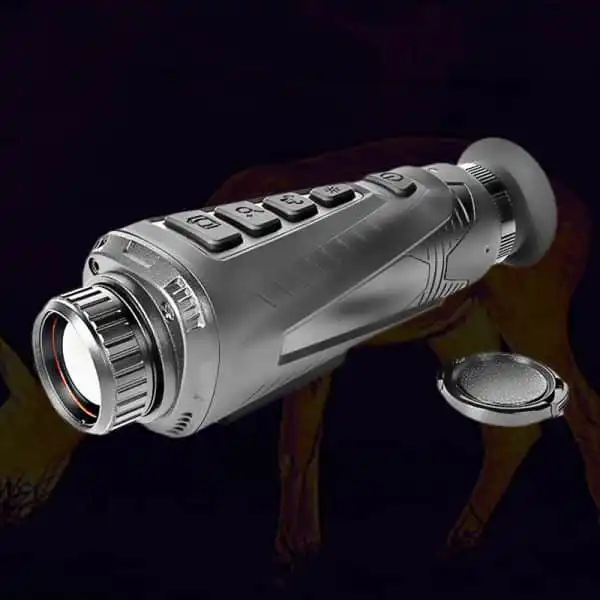
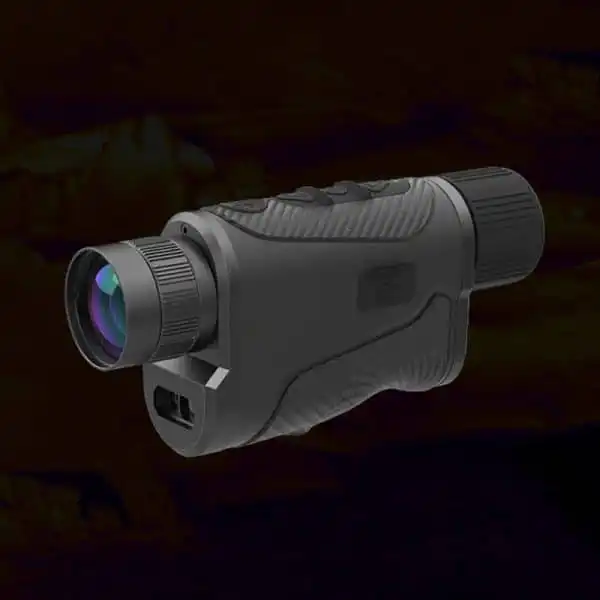
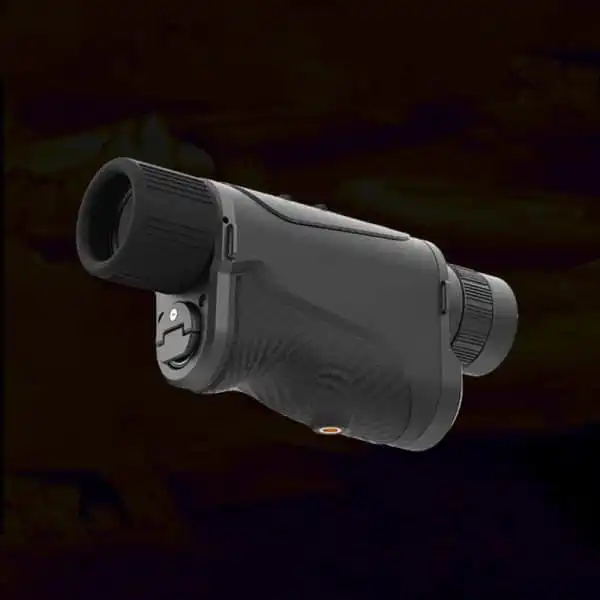
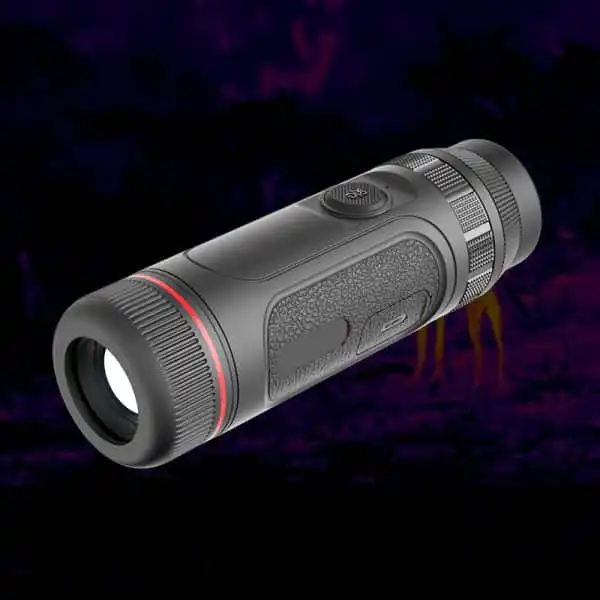
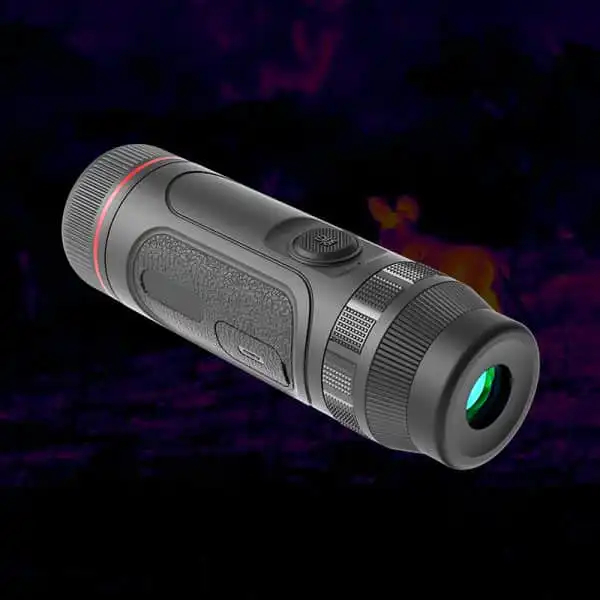
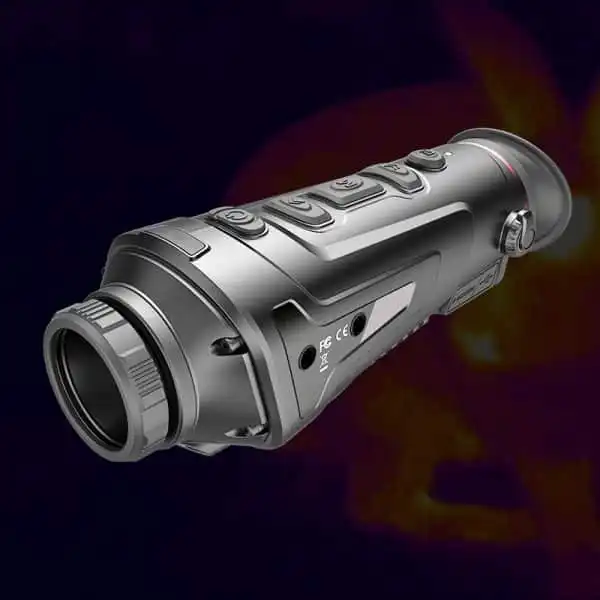
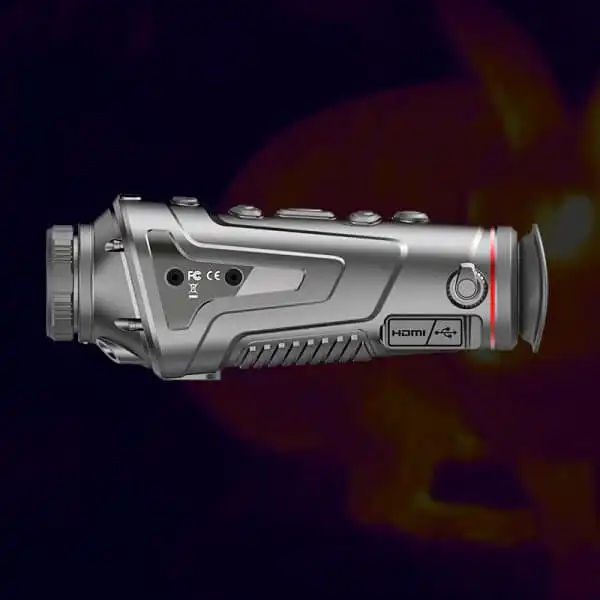
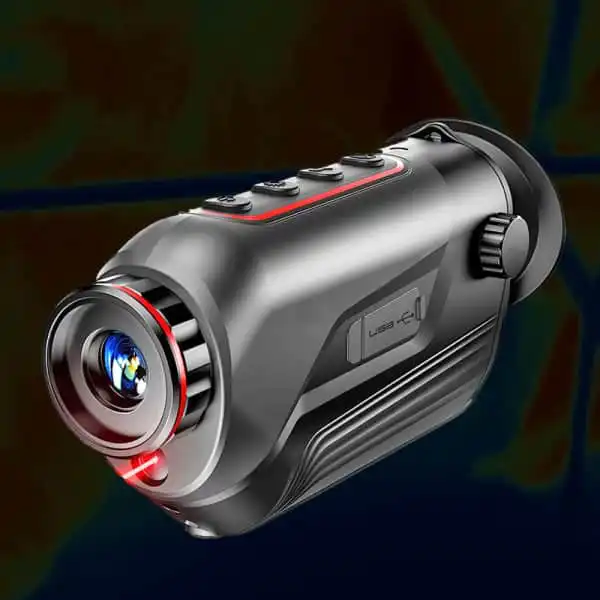
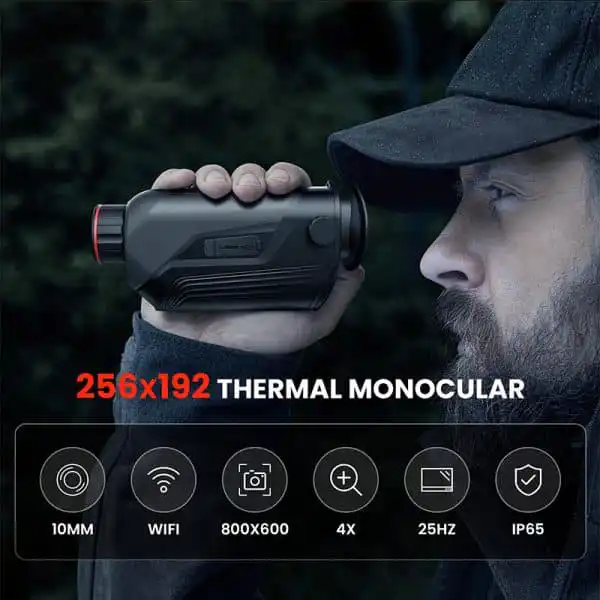
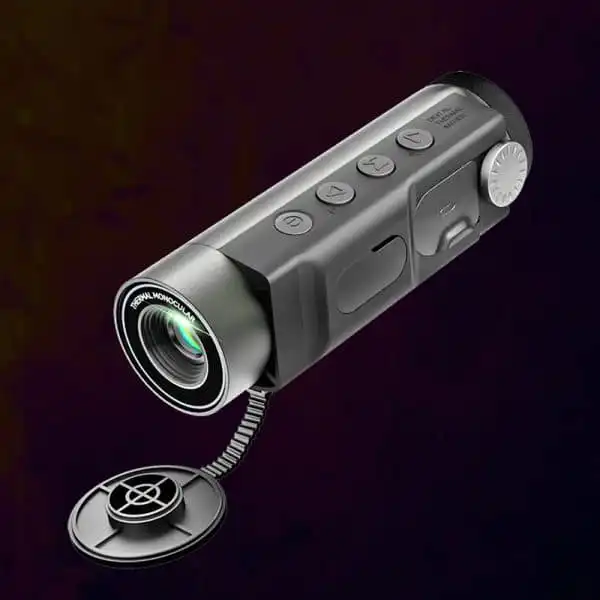
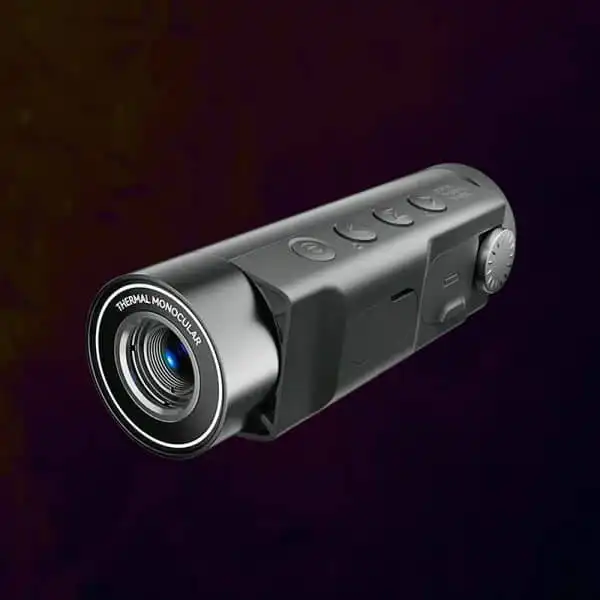
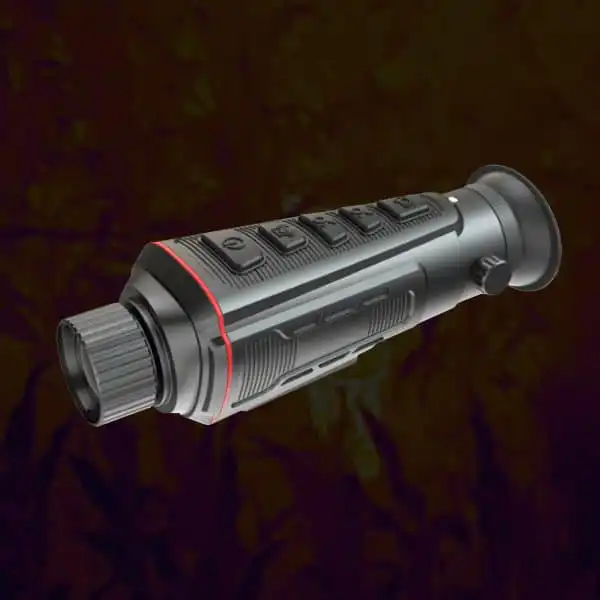
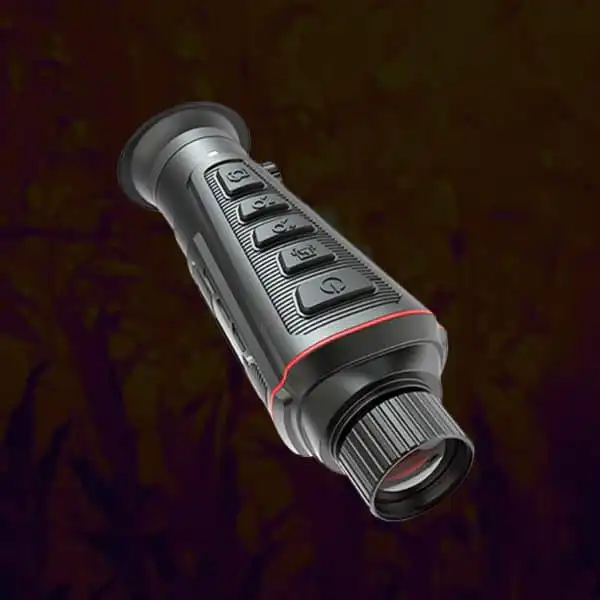
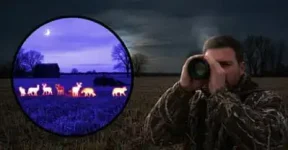
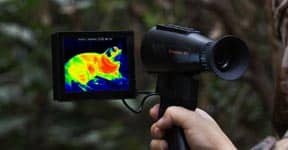
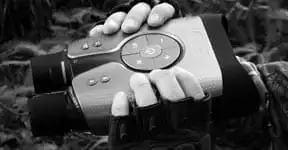
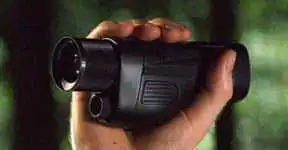
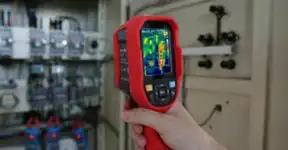
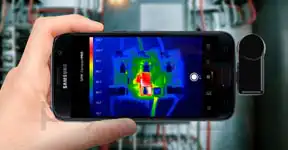
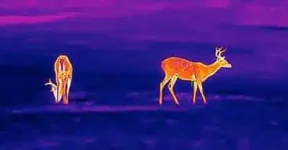
Best thermal optics for watching a bat exit should keep the relevant opening and an agreed surrounding area visible without disturbing the animals. Choose coverage before magnification, retain recording continuity where supported and mark interruptions. A clip of several exposed crossings does not establish every animal present, a species identification or a complete emergence count.
Best Thermal Optics for This Task Must Cover the Opening
An observer at an authorized stationary position needs to know what lies inside the frame and what remains outside it. A tightly enlarged view may show a crossing clearly while missing another route beside the opening. A wide view can retain more context but allocate fewer samples to each small subject. Neither is automatically the better purchase.
Begin with bat-emergence recording considerations and open-area coverage limits. Sketch the opening and any adjacent route visible from the permitted position. Do not enter a roost, alter the opening or place equipment where it obstructs animal movement. The sketch describes a limited observation area rather than a promise that thermal imaging will reveal hidden animals or determine the total population.
Mark the Frame Edges Before Pressing Record
Use an ordinary fixed landmark near each edge to document the actual view. Ask whether the recorded file preserves the live view or applies a crop. Digital zoom and stabilization, when supported, can change the coverage. angular field and scene coverage explains the geometry, but the complete product configuration must still be checked.
Consult original footage export checks and native versus output dimensions. Save a short setup clip before the session so later reviewers can see the intended boundary. A larger file dimension does not prove a larger recorded field. If an animal enters from beyond the edge, label the preceding path unobserved instead of inferring it from the direction in which the animal eventually appears.
Before the watch, agree how to label a crossing that begins or ends outside the frame. It can be recorded as a partial event without claiming its unseen path. Keep that label consistent when several people review the files, so a disagreement about terminology is not mistaken for a difference in the number of animals observed.
| Check | What to record | Decision |
|---|
| Frame boundary | Opening, visible alternate route and fixed edge landmarks before the watch begins | Retain the setup clip so later reviewers know the observed area. |
| Recording crop | Native view, zoom state and whether the saved file excludes any live-view region | Compare the actual recorded boundary, not just file dimensions. |
| Interruption | Start and end of correction pauses, file changes or operator stops where observable | Mark missing evidence instead of inventing unseen crossings. |
| Reported result | Visible events, uncertain repetitions and observation duration with limitations | Avoid converting a partial thermal sequence into a complete census. |
Treat Recording Interruptions as Missing Evidence
A correction pause, a file boundary or an operator stop can remove part of the sequence. Write down what the system actually does at those events and whether recording resumes automatically. interrupted clip troubleshooting and night-video purchasing questions are useful when requesting a demonstration of the ordinary save-and-restart process.
Ask for recording-path and interface details rather than assuming a continuous-looking player timeline contains uninterrupted acquisition. Keep original files and an independent session note. Do not count a repeated frame as another crossing or fill a gap with an estimated animal. If the equipment’s recording limit is undisclosed, state that uncertainty in the comparison and arrange a supervised ordinary trial before relying on it for a longer watch.
Define What the Record Is Allowed to Claim
The strongest result may be a sequence of visible movements within a defined area, not a census. Review the whole sequence, including exits, reentries and uncertain paths. A similar-looking patch returning to the frame does not necessarily represent another individual. Keep the viewing conditions and the observer’s uncertainty attached to the footage.
Use observation-task matching, supplier evidence questions, supported stationary arrangements and longer-session planning to build the request. Compare coverage, reliable recording operation and manageable handling rather than a single detection headline. Thermal contrast alone should not become a species assertion. A defensible limited record is more useful than an impressive-looking count that hides the edges and interruptions of the observation.
Agree on the frame boundary and the meaning of an observed event before selecting the recorder. Preserve the gaps as carefully as the visible crossings.