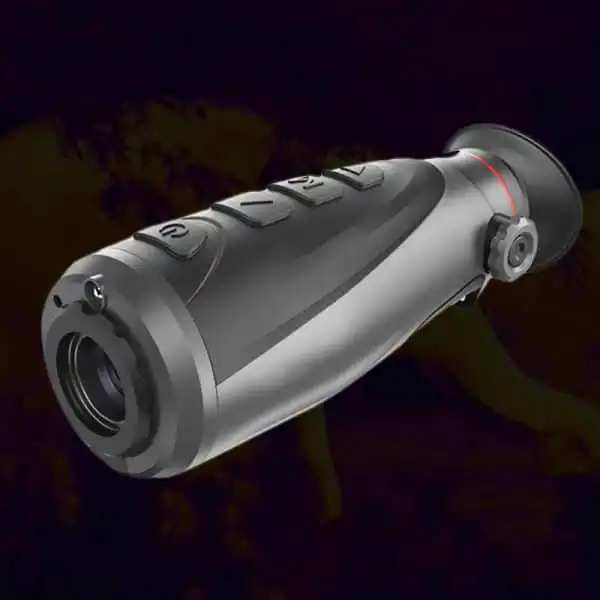
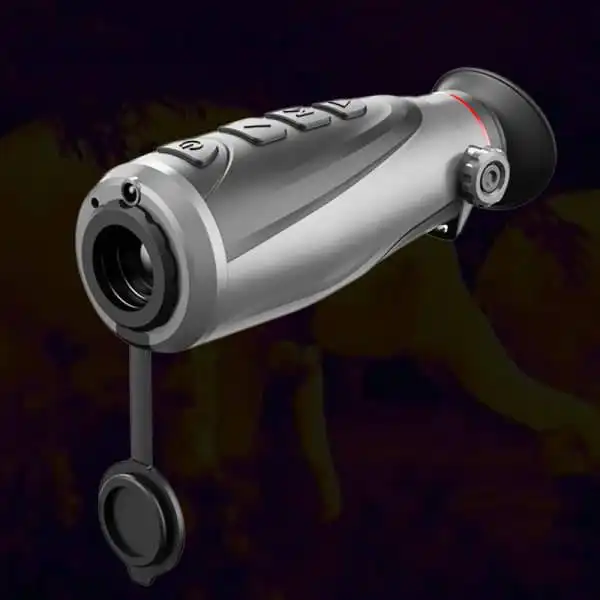
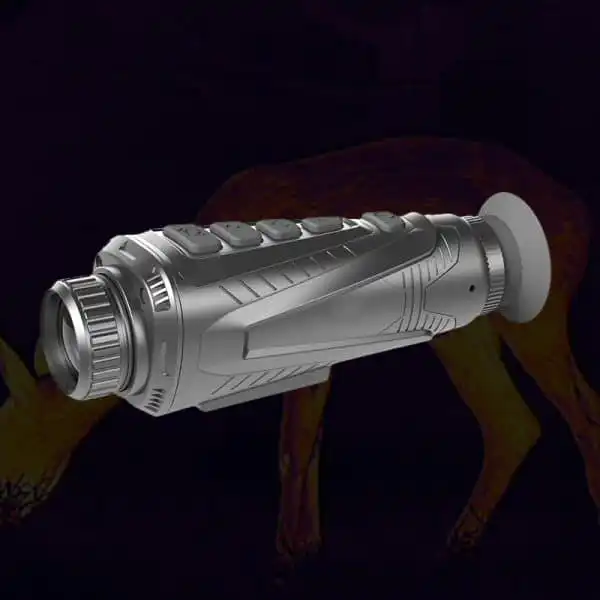
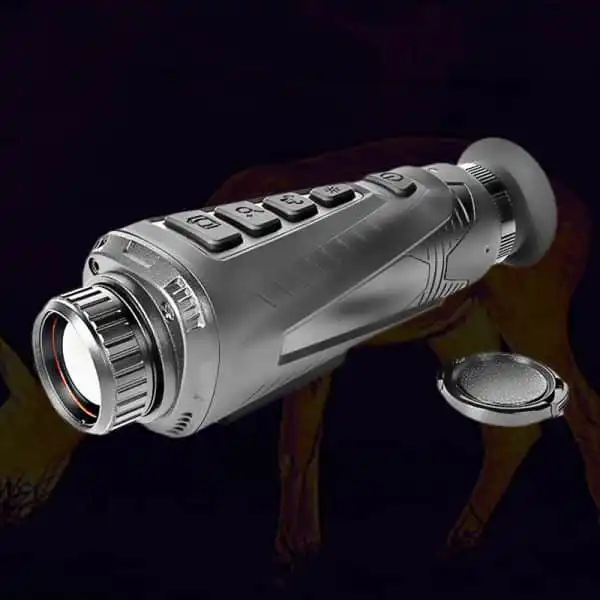
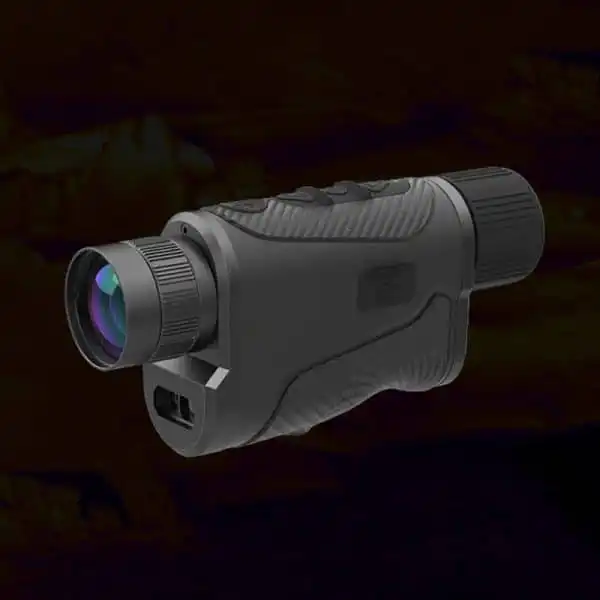
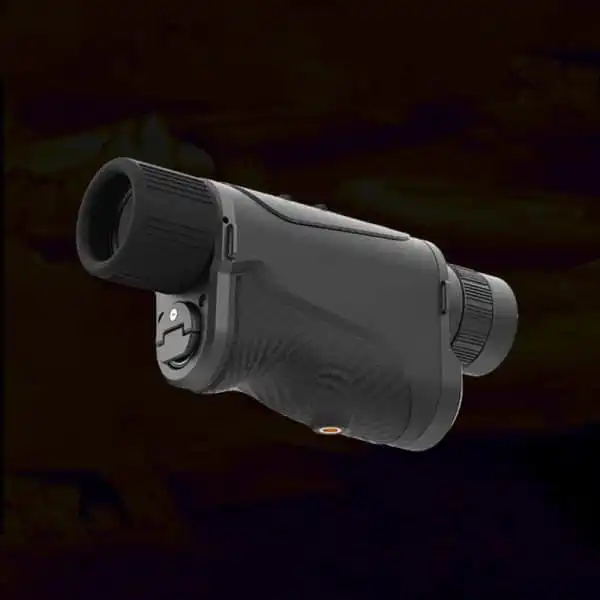
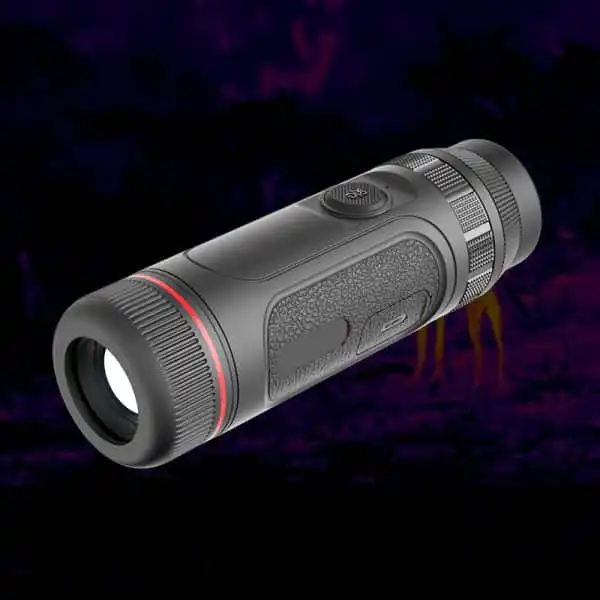
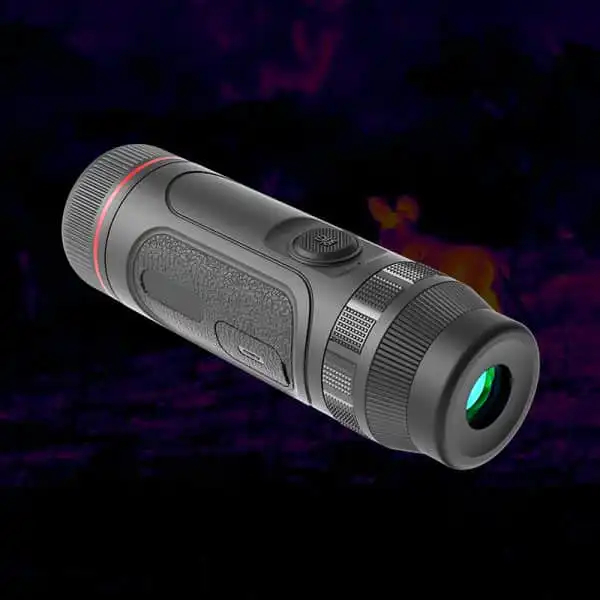
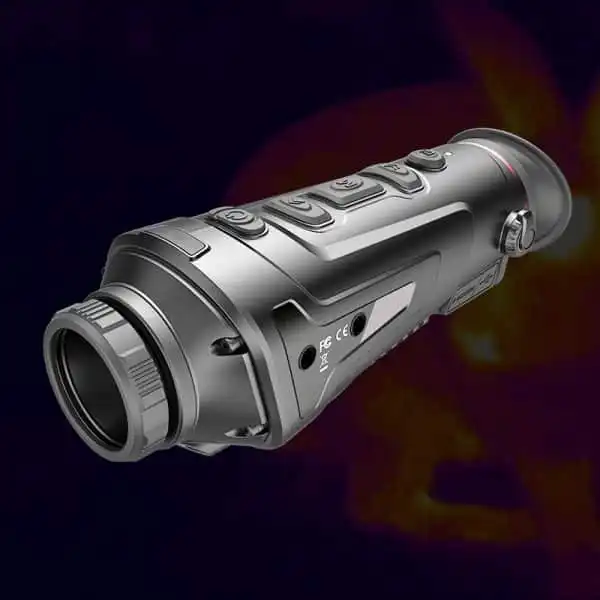
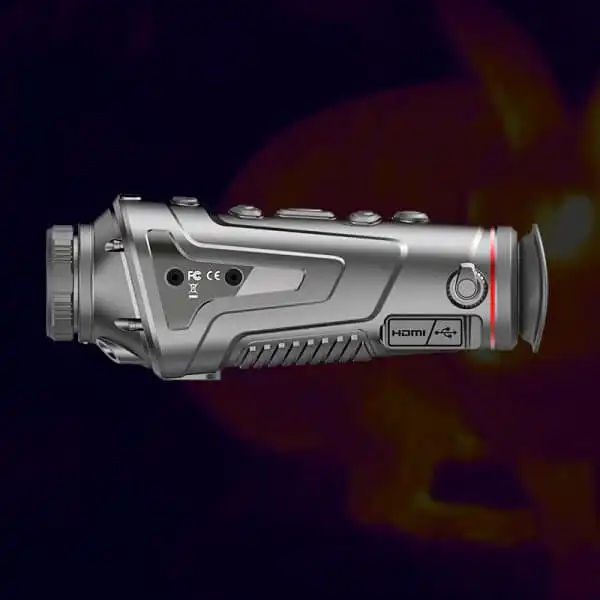
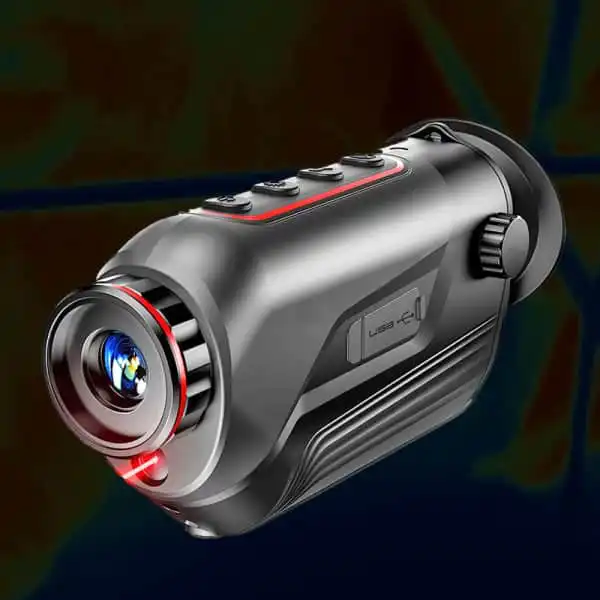
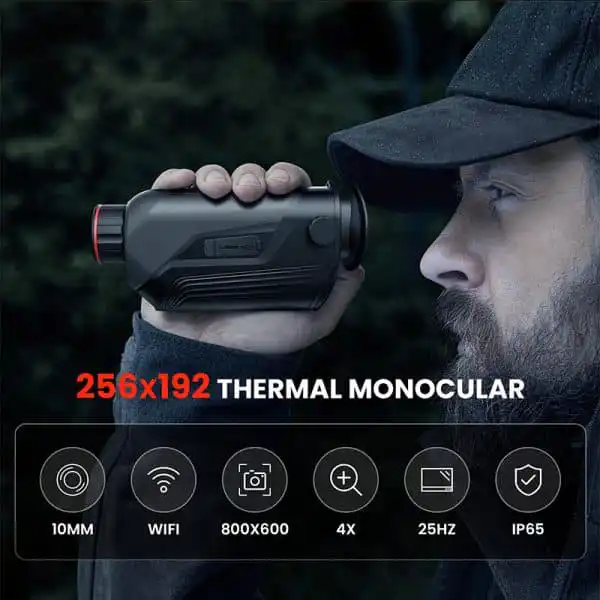
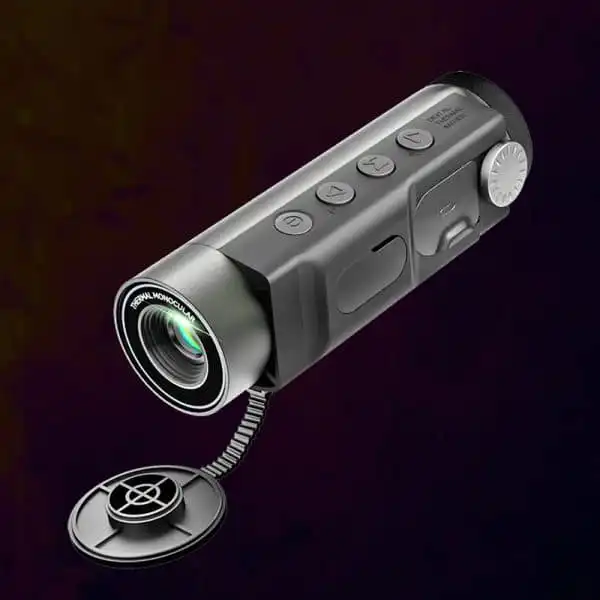
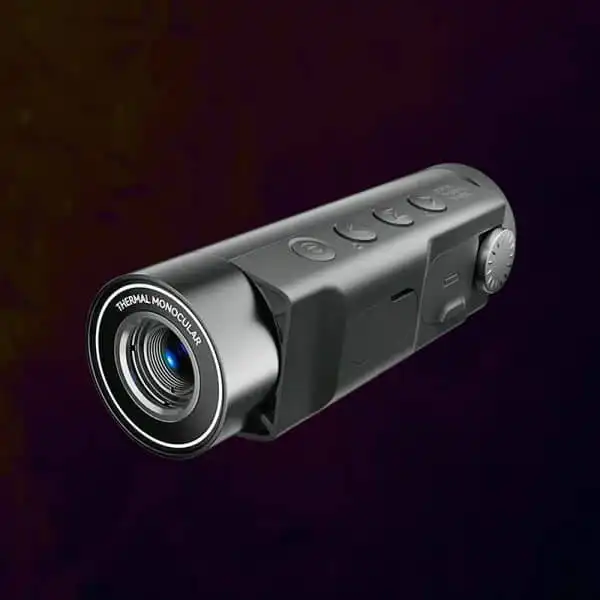
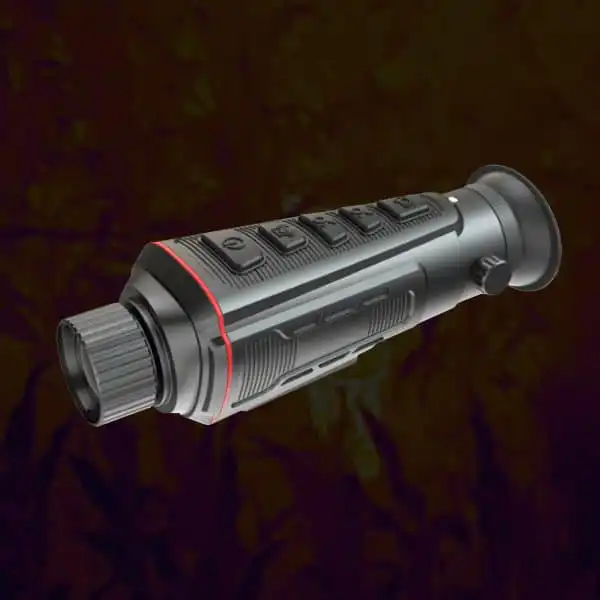
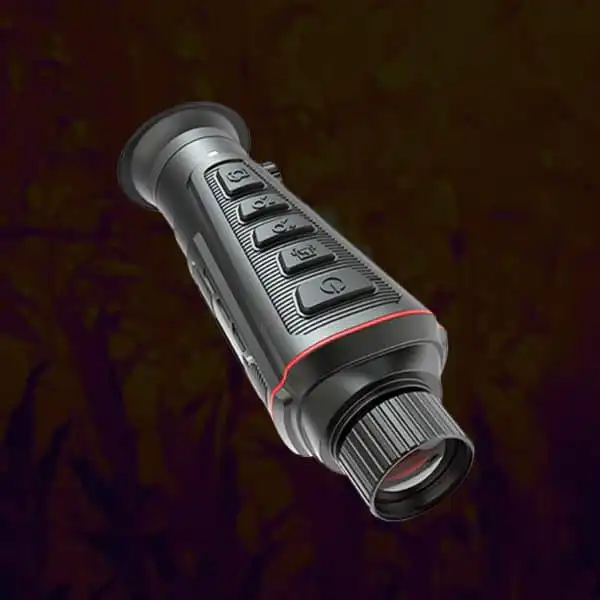
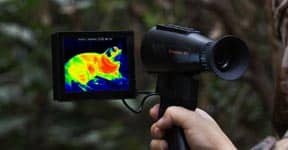
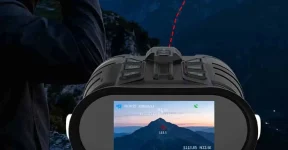
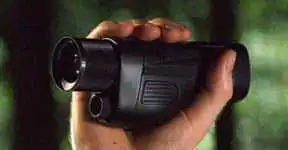
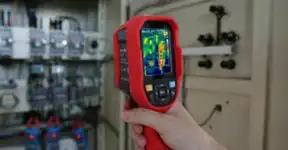
Thermal goggles for hunting observation are easier to own when frequently handled parts can be identified and replaced through an approved route. Check eyecups, caps, straps and supported adapters separately from the sealed imaging body. A rugged housing does not establish the availability of spare wear parts, and a visually similar accessory is not evidence of compatibility.
Thermal Goggles for Hunting Have More Than a Sealed Body
Observers often concentrate on detector detail and miss the parts touched every evening. A cap tether can wear, an eyecup can deform and a strap buckle can become awkward with gloves. None of those observations proves that the electronics are unreliable, but a missing replacement can make an otherwise usable viewer inconvenient.
Start with thermal goggle purchasing questions and supported viewing arrangements. List what comes off without opening the housing and what the manual permits the owner to replace. Keep this list separate from a weather rating. A product photograph may show a removable-looking piece that is not intended for owner removal. Ask for confirmation rather than using force to discover how it attaches during a demonstration.
Match the Part Number, Not Just the Shape
An eyecup affects eye position, stray light and access to adjustments. An adapter can affect control clearance or load on the supported connection. Similar dimensions alone do not resolve those details. compact viewer fit checks should therefore use the actual approved accessory rather than an approximate substitute selected from an unrelated listing.
For goggle selection evidence, request the exact compatible version and installation instructions. enclosure-protection classifications concern specified test conditions; they do not certify an improvised cap or modified cable opening. Never trim, drill or bypass a cover to make a generic accessory fit. If the supplier cannot identify a replacement, record serviceability as undisclosed rather than converting a familiar appearance into a compatibility claim.
A useful quote attachment is a small parts photograph with the supplier identifiers beside each approved external item. Keep unconfirmed substitutes off that photograph. This makes a later request for a cap or eyecup specific without exposing internal components or relying on a vague description such as the rubber piece from the original package.
| Check | What to record | Decision |
|---|
| Eyecup | Compatible version, approved cleaning method and whether the user can replace it | Prioritize comfortable eye placement and a documented ordering route. |
| Lens cap | Retention, tether condition and correct fit without interference with the optical window | Carry protection without claiming an increased weather rating. |
| Strap or adapter | Approved load arrangement, attachment instructions and clearance around controls | Avoid generic parts that require modification to the housing. |
| After-sales route | Who supplies the part, current availability and whether service return is needed | Distinguish confirmed support from an assumed lifetime promise. |
Build a Small Spares List Around Real Use
A stationary nature observer may need a retained lens cap and a spare approved strap more than an elaborate wearable system. A shared viewer may benefit from replaceable eyecups with clear cleaning instructions. matching equipment to the observation task and stationary group-viewing arrangements help identify which consumable parts actually matter.
Ask about availability, normal ordering and whether cleaning products affect the material. general optical care principles cannot replace instructions for the particular coating or rubber component. Do not apply a lens solvent indiscriminately to eyecups and straps. waterside equipment limitations also distinguish ordinary outdoor use from immersion or salt exposure. A spare cap is useful protection during transport, not an upgrade to the viewer’s environmental specification.
Make Serviceability Visible in the Quote
Compare two complete offers by including the supplied accessories, the compatible spare list and the service contact. Do not invent a lifetime supply guarantee or claim that replacement parts are always in stock. Ask what happens if a version changes and whether a later accessory remains approved for the purchased viewer.
Use clear supplier questions, whole-system value checks, campsite equipment care and stationary lesson equipment evaluation to organize the request. Save written answers alongside the manual. An owner should be able to identify a worn external part without diagnosing the sealed thermal core. Choose the kit whose ordinary wear items can be managed through a documented route; a long feature list cannot compensate for an unclear replacement process.
Request a short approved-spares list with the quote. Evaluate the pieces handled every session as deliberately as the imaging specification.