The first thing you notice at night isn’t how dark it is.
It’s how much you can’t be sure of.
A shape that might be a tree.
Movement that could be nothing—or something.
Your eyes keep trying to guess, and guessing gets tiring fast.
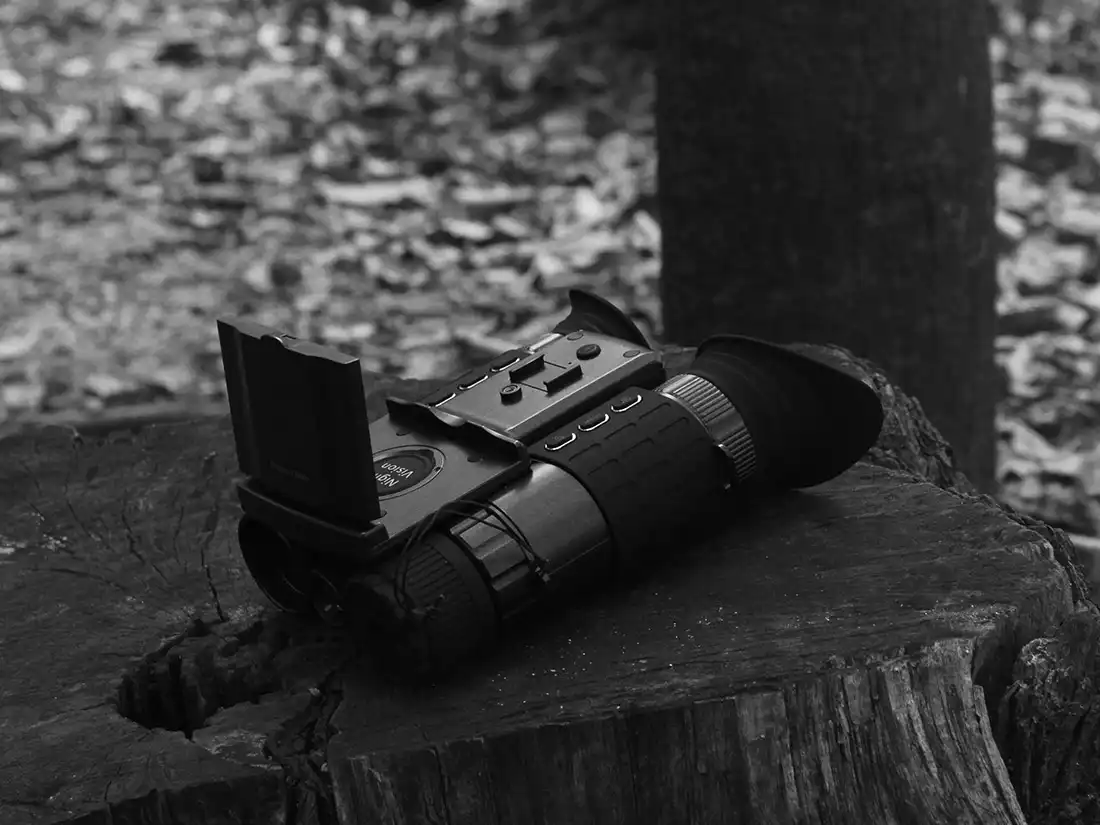
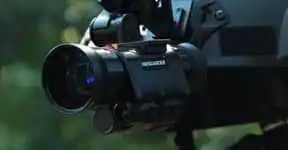
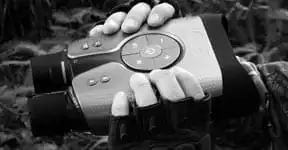
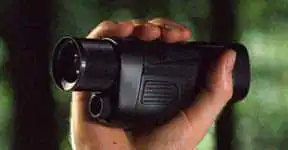
That’s usually the moment when Night Vision Binoculars start to make sense.
Darkness Doesn’t Mean Nothing Is There
At night, the world doesn’t disappear. It just stops announcing itself.
Your eyes do their best, but without light, they start filling in blanks. Edges soften. Distances feel off. Everything looks flatter than it really is.
Night vision binoculars don’t magically light up the world. What they do is quieter than that. They collect the light that’s already there—just enough—and give it back to you in a way that feels usable.
Suddenly, the scene has structure again.
The Difference Between “Seeing” and Understanding
There’s a big gap between noticing something and understanding what you’re looking at.
A good night vision image doesn’t scream for attention. It settles in. Contrast feels balanced. Movement looks natural instead of jumpy. Your eyes stop fighting the image and start reading it.
That’s when you realize clarity matters more than brightness.
And precision matters more than power.
Why Optics Matter More Than You Think
In daylight, average optics can still look decent.
At night, there’s nowhere to hide.
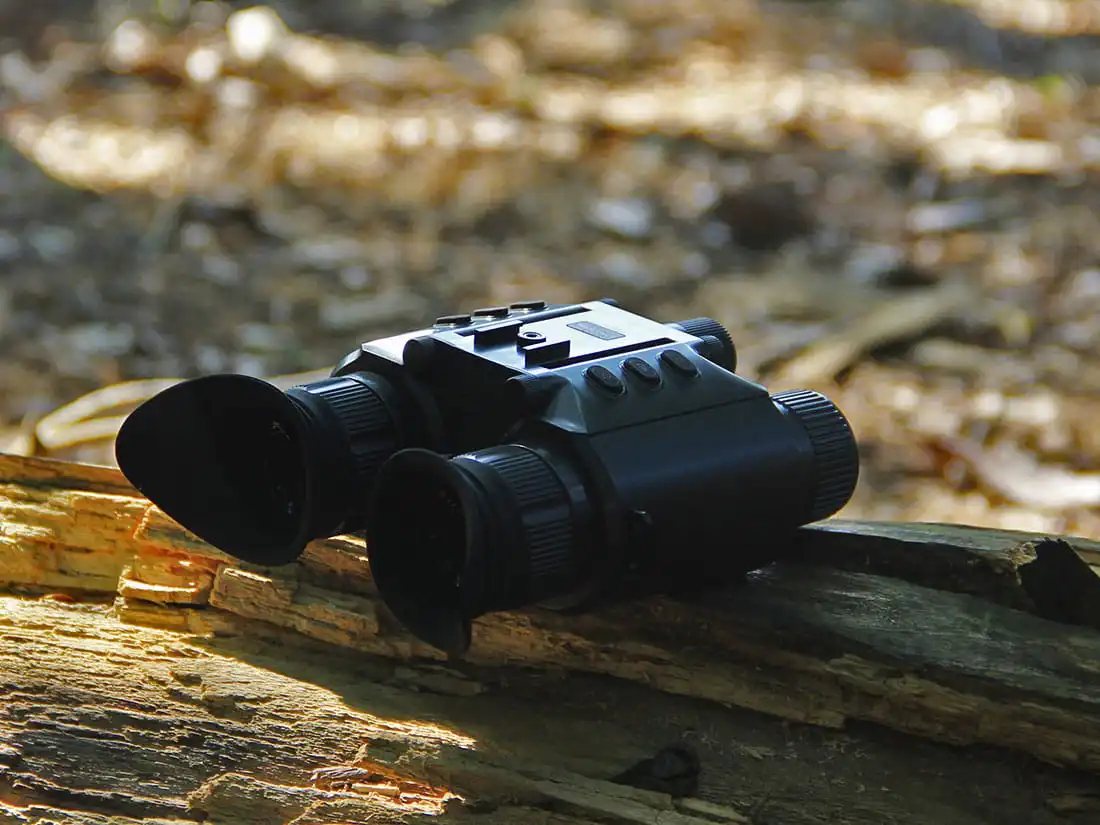
Precision lenses make small details easier to separate from the background. Focus feels more confident. Objects stay sharp instead of falling apart at the edges.
You don’t think about coatings or glass quality in that moment. You just notice that your eyes aren’t strained, and that what you’re seeing makes sense.
That’s what good optics are supposed to do—disappear.
Quiet Technology for a Quiet Environment
One of the underrated things about night vision binoculars is how little they interfere.
Infrared assistance steps in only when it needs to, filling the gap without changing the mood of the scene. There’s no harsh light, no sudden shift. Everything keeps moving naturally.
You’re not forcing the night to adapt to you.
You’re adapting to the night.
Built for Long, Uninterrupted Observation
Night observation isn’t something you do for a few seconds. You stay. You watch. You wait.
That’s why handling matters. The weight needs to feel balanced. Controls should be easy to find without looking. Adjustments should feel predictable.
When a device feels comfortable enough to forget about, it lets you stay present. And that’s when observation becomes easier—and more accurate.
Where Night Vision Fits In
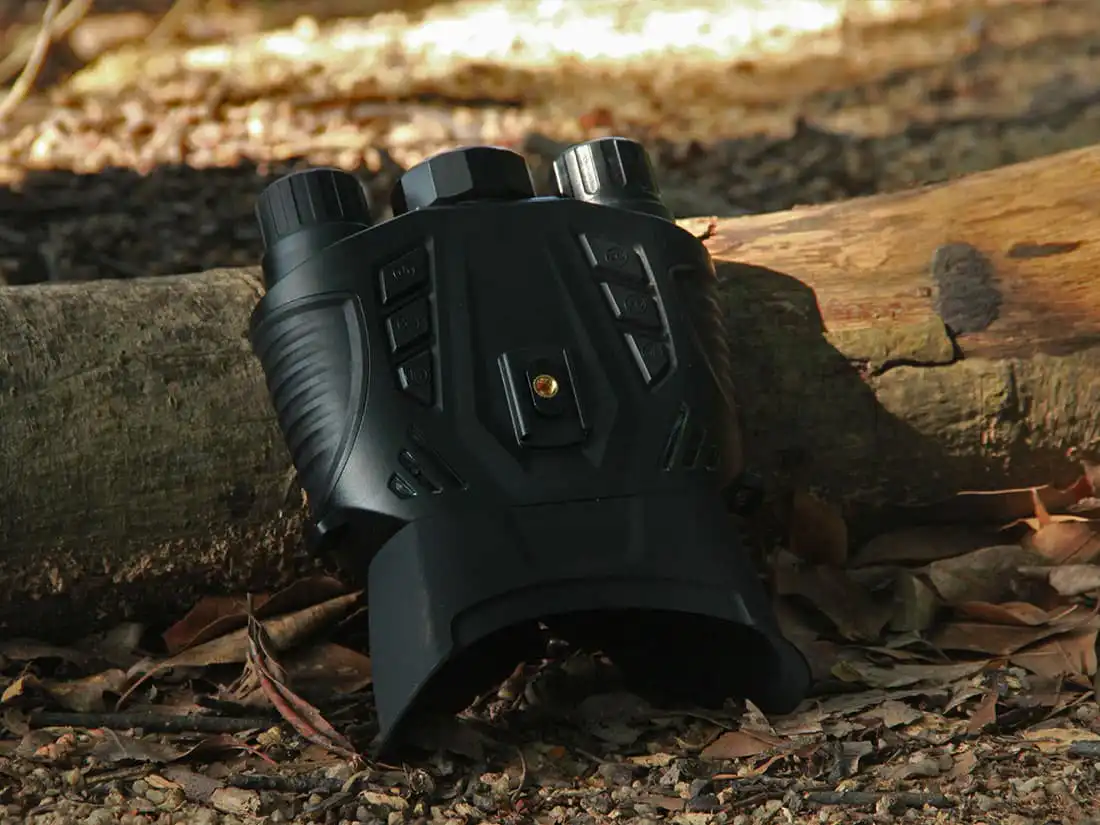
People use night vision binoculars for different reasons, but the need is the same: to see without disturbing, and to understand without guessing.
They’re used for:
-
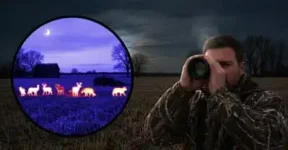
Observing wildlife after sunset
-
Exploring outdoor environments at night
-
Monitoring open areas in low-light conditions
-
Simply staying aware when visibility drops
Wherever darkness takes away information, night vision gives some of it back.
In the End, It’s About Trust
You trust what you can see.
And at night, that trust is hard to come by.
Night Vision Binoculars don’t turn darkness into daylight. They do something more practical than that—they make the dark readable.