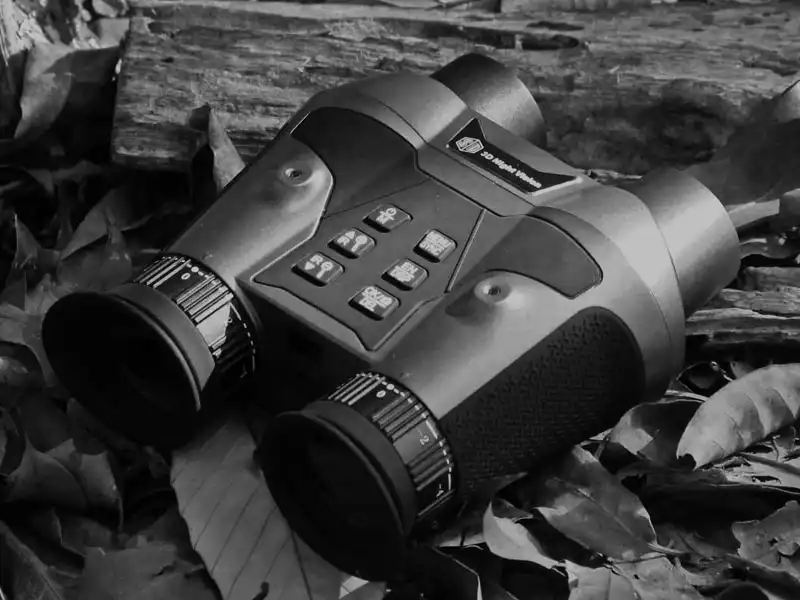
Owning a pair of night vision binoculars opens up a whole new world after dark — from spotting wildlife on a moonless night to keeping an eye on your property without disturbing the peace. But like any piece of precision equipment, these binoculars need regular care to stay sharp and reliable. Many users focus on performance and features when buying, but few realize how much proper maintenance affects what they actually see through the lens.
If you want your device to deliver crisp, clear night views for years to come, here’s a complete, practical guide to keeping your night vision binoculars in top shape.
1. Keep the Lenses Clean — Gently, Always
The lenses are the heart of your night vision binoculars, and even a thin layer of dust or fingerprints can distort what you see. Never wipe them with your shirt or tissue — that’s a fast track to micro-scratches.
How to do it right:
-
Use a soft microfiber cloth or a lens cleaning brush.
-
If needed, apply a small amount of lens cleaning solution (designed for optics, not regular glass cleaners).
-
Gently wipe in circular motions, starting from the center and moving outward.
Avoid breathing on the lenses to “fog” them before wiping — the moisture from your breath can leave behind minerals that dull the coating over time.
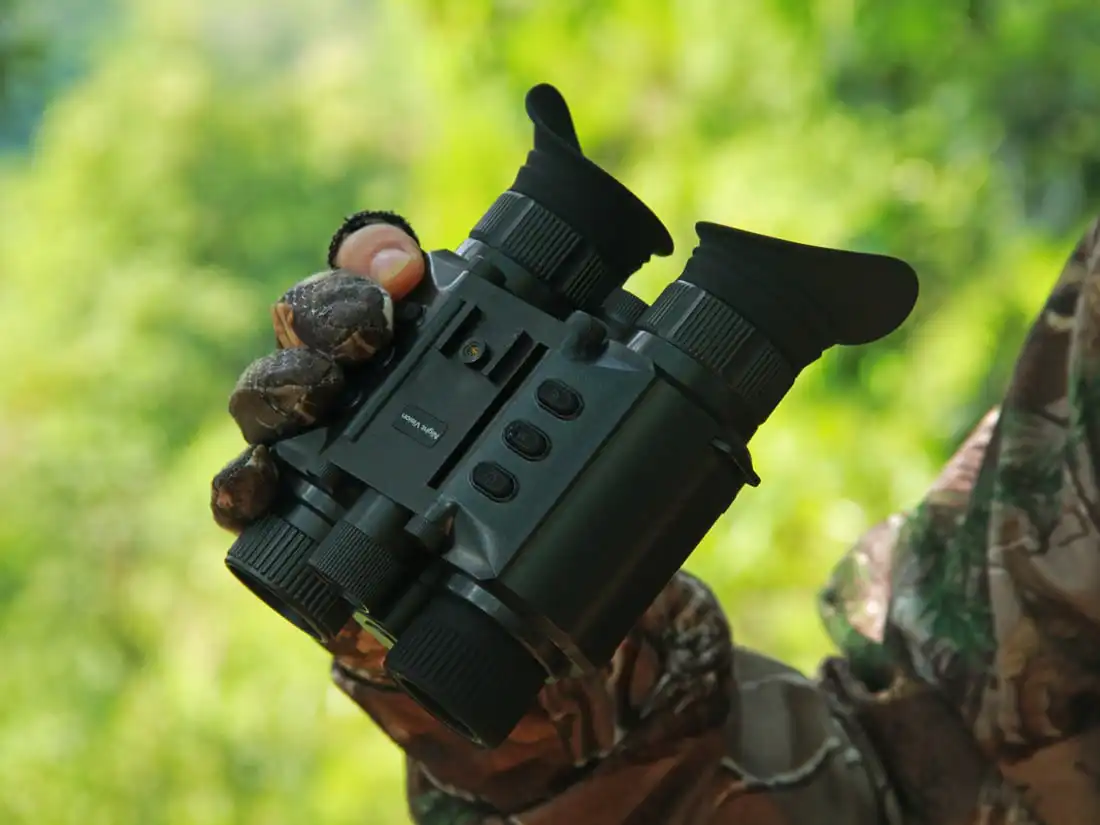
2. Protect from Moisture and Temperature Swings
Night vision binoculars contain delicate electronic and optical components that really don’t like sudden temperature changes or humidity. Condensation inside the device can damage internal circuits or leave fogging between lens layers.
Best practice:
-
Let the binoculars acclimate before using them in a different environment (e.g., moving from a warm house to a cold night).
-
After outdoor use, store them in a dry place — avoid leaving them in your car overnight.
-
Use silica gel packs in the storage case to absorb moisture.
If you’ve been out in damp or rainy conditions, wipe the exterior with a dry cloth and leave the device uncovered in a ventilated area before storing.
3. Handle Batteries with Care
Batteries are the power source that brings your night vision to life — but improper handling can cause leakage or corrosion.
Tips to extend battery life:
-
Always remove batteries if you won’t be using the binoculars for a while.
-
Check the battery compartment regularly for any signs of rust or residue.
-
Use only the type and voltage recommended by the manufacturer.
If you spot white or greenish powder inside the compartment, that’s corrosion — clean it gently with a dry cotton swab (never water) before inserting new batteries.
4. Store Them Like a Professional
When you’re done exploring, don’t just toss your binoculars into a drawer. Proper storage can make a world of difference.
The right way to store:
-
Use a padded case to prevent bumps and scratches.
-
Keep the lens caps on to protect the optics.
-
Store in a cool, dry location — ideally around room temperature.
For long-term storage, avoid areas exposed to direct sunlight or extreme heat, as this can damage both the housing and internal sensors.
5. Regularly Check Focus and Alignment
Even when you’re not using your binoculars daily, it’s a good idea to occasionally check the focus and optical alignment. Over time, small bumps or vibrations can shift the internal calibration.
Simple routine:
-
Power on the device once a month.
-
Check the clarity by focusing on a distant object.
-
Adjust the interpupillary distance (the spacing between eyepieces) to ensure both eyes see a single clear image.
This small habit keeps your binoculars “ready to go” anytime, avoiding surprises when you actually need them.
6. Avoid Overexposure to Bright Light
Night vision sensors are sensitive — that’s their superpower — but exposure to sudden bright light can cause temporary or even permanent damage.
Important precautions:
-
Never turn on the device during the day or point it toward strong light sources like car headlights or flashlights.
-
If your binoculars have an automatic brightness control feature, keep it on to protect the intensifier tube.
-
Always use the protective lens cap when testing indoors.
A little awareness goes a long way in preventing irreversible harm to the sensor.
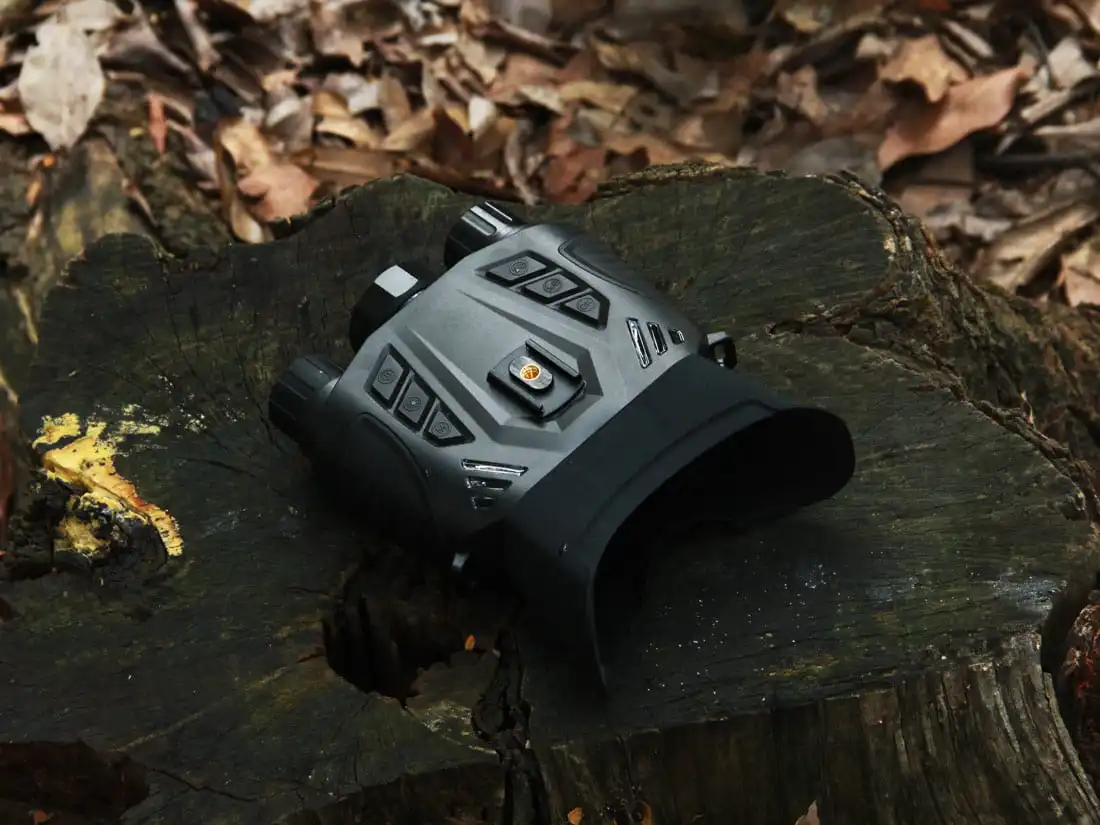
7. Schedule Occasional Deep Maintenance
Even with careful use, some parts of your binoculars may need professional attention over time — especially if they’ve been heavily used in harsh conditions.
What this includes:
-
Checking for internal dust or fogging.
-
Testing battery contacts and circuitry.
-
Calibrating the optical alignment.
Doing this once every year or two keeps your night vision binoculars performing like new, especially if you rely on them frequently for outdoor observation.
Final Thoughts: Take Care, See More
Night vision binoculars are more than just a tool — they’re a gateway into the hidden world of the night. Whether you’re exploring, camping, or simply observing nature, how you care for them directly shapes what you’ll see.
A few minutes of cleaning, a little patience with storage, and some attention to detail can keep your device running smoothly for years. After all, the clearer your optics, the clearer your adventures.
So next time you return from a night outdoors, don’t just set your binoculars aside — give them a little care. In return, they’ll keep rewarding you with bright, crisp views every time darkness falls