





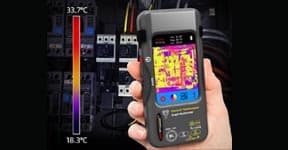


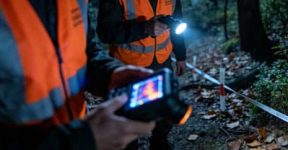


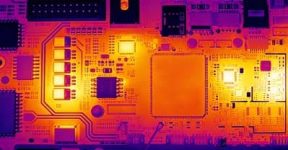

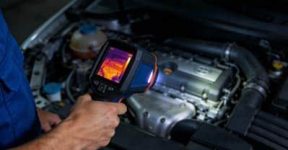
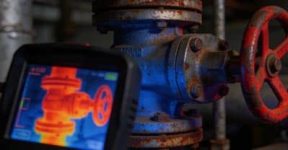
Thermal imaging technology has quietly become one of the most relied-upon tools in modern industry. Whether it’s used for electrical diagnostics, machinery inspection, or facility maintenance, workers across various sectors now depend on thermal imagers to keep operations running safely and efficiently.
Yet, with so many types available — from compact handheld units to advanced desktop analyzers — the real question is: which ones do industrial workers actually prefer, and why?
Let’s break down the most popular categories and see how each type fits different industrial needs.
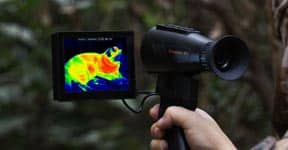
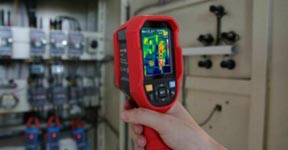
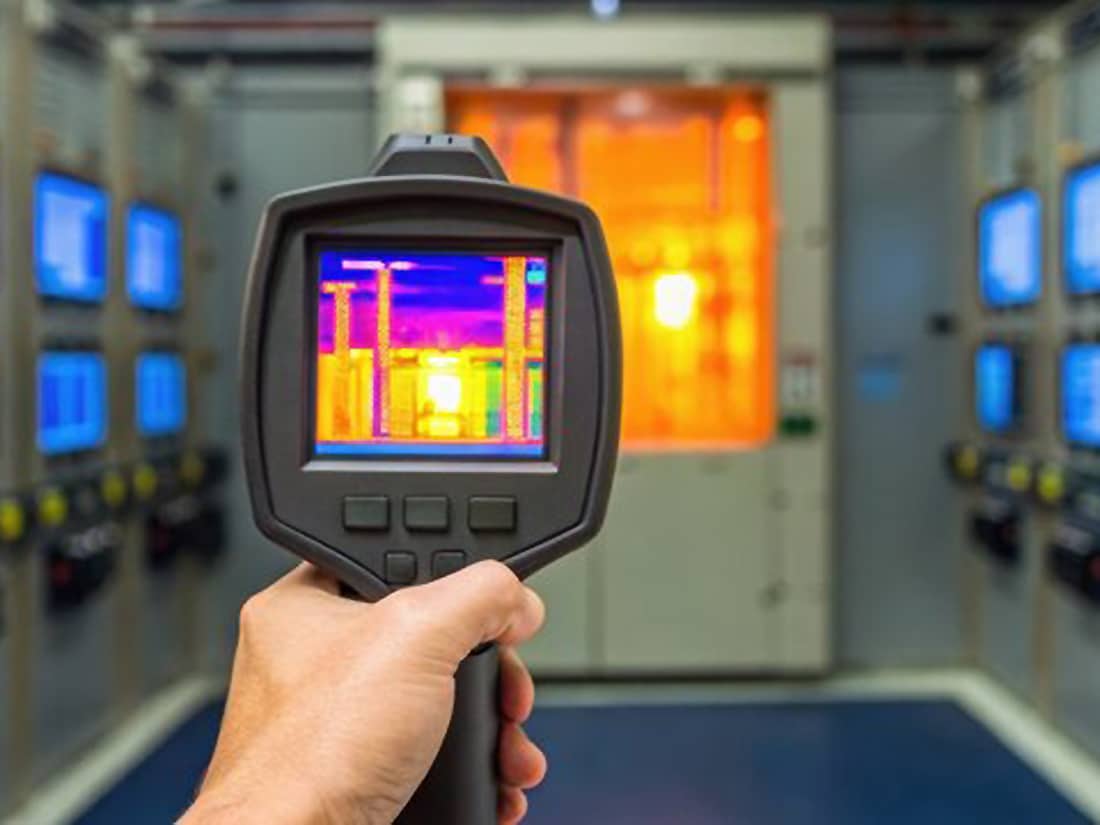
1. Handheld Thermal Imagers — The Workhorse of the Industry
If there’s one tool that defines reliability, it’s the handheld thermal imager. These devices are the everyday favorite among electricians, maintenance crews, and safety inspectors.
Why workers prefer them:
-
Portability with precision: Compact enough to carry all day, yet powerful enough to capture detailed thermal images.
-
Instant feedback: Results appear instantly, helping detect overheating motors, faulty wiring, or insulation leaks.
-
Rugged and ready: Built to handle dust, impact, and high temperatures — a perfect match for harsh industrial environments.
Whether it’s a quick check or an in-depth inspection, handheld thermal imagers strike the best balance between accuracy and convenience.
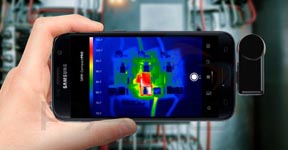
2. Smartphone Thermal Cameras — The Technician’s Pocket Tool
For workers who need to travel light, the smartphone thermal camera is becoming a go-to companion. It transforms an ordinary phone into a compact inspection tool — ideal for quick scans and instant sharing of thermal data.
Why they’re popular:
-
Compact and cost-effective: Easy to plug in, easy to carry.
-
Fast operation: Great for quick temperature checks in hard-to-reach areas.
-
Instant reporting: Workers can capture and send results in real-time to supervisors or clients.
While they’re not designed for precision engineering, smartphone thermal cameras are perfect for quick assessments and mobile technicians who value speed over complexity.
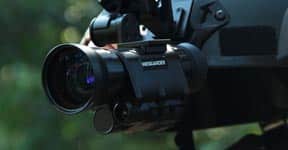
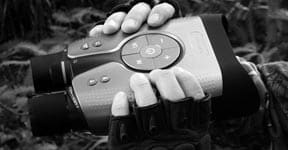
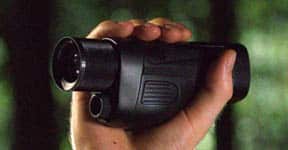
3. Thermal Imaging Monoculars — Long-Range and One-Handed
In large industrial facilities or outdoor installations, the thermal imaging monocular provides a clear advantage. With its long detection range and compact body, it allows one-handed use while maintaining mobility.
Why professionals use them:
-
Great for large-scale inspections, like pipelines or outdoor storage yards.
-
Clear visualization from a distance, without getting close to hot or hazardous equipment.
-
Lightweight and easy to carry, ideal for fieldwork or night operations.
Though originally used for observation, monoculars have earned their place in industrial inspections that require flexibility and range.
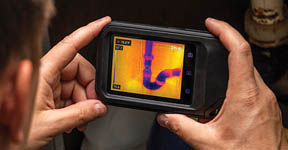
4. Pocket Thermal Cameras — Compact Power for Quick Checks
The pocket thermal camera is small, self-contained, and always ready. Workers love it for its simplicity and reliability during daily maintenance.
Why it stands out:
-
Truly portable: Fits easily into a pocket or small tool bag.
-
No external connection needed: Built-in screen and battery make it fully independent.
-
Ideal for routine checks: Quick power-on and fast temperature readings save time on the job.
It’s not built for heavy analysis, but when it comes to fast, frequent inspections, it’s unbeatable in convenience.
5. Thermal Imaging Rugged Phones — The All-in-One Solution
Imagine carrying both your phone and thermal camera in one durable device — that’s exactly what thermal imaging rugged phones offer. They’re built for industrial workers who need communication, imaging, and durability in one tool.
Why workers are switching to them:
-
Multi-functional: Combines thermal imaging, photography, and mobile connectivity.
-
Field-ready: Withstands shock, water, dust, and extreme temperatures.
-
Instant collaboration: Thermal results can be shared on-site without extra devices.
For electricians, inspectors, or safety managers who move constantly between sites, this all-in-one device saves time and space while staying reliable in any environment.

6. Thermal Imaging Rugged Tablets — The Data Powerhouse
When the job involves complex analysis, detailed reporting, or team-based diagnostics, the thermal imaging rugged tablet becomes indispensable.
Why it’s preferred for heavy-duty tasks:
-
Larger display: Perfect for viewing and analyzing detailed thermal maps.
-
High computing power: Runs inspection software directly on the tablet.
-
Durable design: Engineered to handle demanding field conditions.
They might not fit in your pocket, but when you need accuracy, data storage, and analysis in one device, these tablets lead the way.
7. Thermal Imaging Analyzer (Desktop) — Precision for Professionals
For industrial labs, manufacturing lines, or R&D departments, the thermal imaging analyzer is the gold standard for precision measurement.
Why professionals rely on it:
-
Exceptional accuracy and data detail: Provides advanced temperature analytics for product testing or system calibration.
-
Stable platform: Ideal for continuous use and controlled measurements.
-
Essential for research environments: Detects minute thermal variations invisible to portable devices.
This is not a field tool, but it’s irreplaceable for engineers and researchers who demand scientific precision.
8. Thermal Imager Multimeter — A Smart Choice for Electricians
For electricians and maintenance personnel, combining two tools in one is a game-changer. The thermal imager multimeter lets workers test electrical circuits and see thermal images at the same time.
Why it’s gaining popularity:
-
Dual function: Combines voltage testing with heat detection.
-
Instant fault detection: Pinpoints overheating components before failure.
-
Compact design: Saves space in the toolbox and simplifies routine testing.
This hybrid device brings both convenience and safety to electrical inspections, making it one of the most practical tools for electricians on the move.
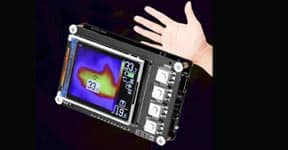
9. Thermal Infrared Camera (DIY Mini) — Simple, Smart, and Affordable
For smaller workshops, education, or light industrial use, the thermal infrared camera offers a budget-friendly way to visualize heat.
Why workers appreciate it:
-
Affordable entry point: Great for small-scale tasks or prototype testing.
-
Portable and plug-and-play: Easy to connect to PCs or development kits.
-
Useful for learning and experimentation: Perfect for training or simple diagnostics.
It’s not made for industrial precision, but its accessibility and versatility make it a great starting point for those new to thermal imaging.
Which Type Do Industrial Workers Prefer?
After comparing all these options, one pattern stands out: workers tend to choose practicality over complexity.
-
For daily use, the handheld thermal imager remains the most trusted choice — durable, accurate, and field-ready.
-
For mobile operations, rugged phones and smartphone thermal cameras are increasingly popular.
-
For data-heavy analysis, rugged tablets and analyzers take the lead.
-
And for electricians, the thermal imager multimeter has quickly become indispensable.
Each device has its own place in the workflow — the key is to match the tool to the task.
Final Thoughts
Choosing the right thermal imager isn’t just about resolution or price — it’s about finding a tool that fits your work style, environment, and daily challenges.
Industrial workers rely on these devices not only to see heat but to see problems before they happen. Whether you’re on the factory floor, inside a power station, or inspecting an outdoor pipeline, the right thermal imager can make your job safer, faster, and more efficient.
No matter the size or shape, thermal imaging has become an essential part of modern industry — turning invisible risks into visible solutions every single day.