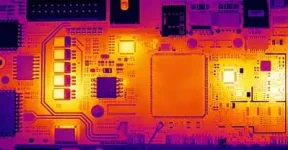
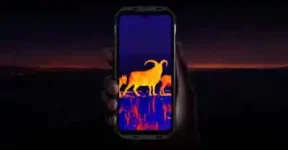
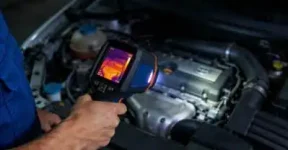
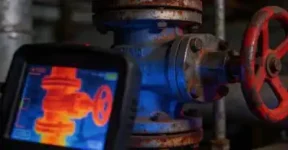
When people first look at the price tag of a thermal imaging camera, it’s easy to wonder — why does it cost so much more than a regular camera? After all, both show images, right? But what’s hidden behind that glowing thermal image is a complex blend of science, engineering, and precision manufacturing that goes far beyond what the human eye can see. Let’s take a closer look at what really makes thermal imaging devices worth their cost — and why professionals and enthusiasts still see them as a solid investment.
1. Advanced Sensor Technology
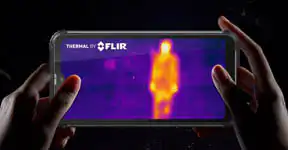
The heart of every thermal camera lies in its infrared sensor — a finely tuned component that can detect even the faintest variations in heat. Unlike a normal camera that depends on visible light, a thermal imager captures infrared radiation emitted by objects.
This requires specialized materials (like vanadium oxide or amorphous silicon) and ultra-precise manufacturing to create sensors sensitive enough to detect temperature differences as small as 0.05°C. These sensors are not only expensive to produce but also must be perfectly calibrated to deliver accurate readings.
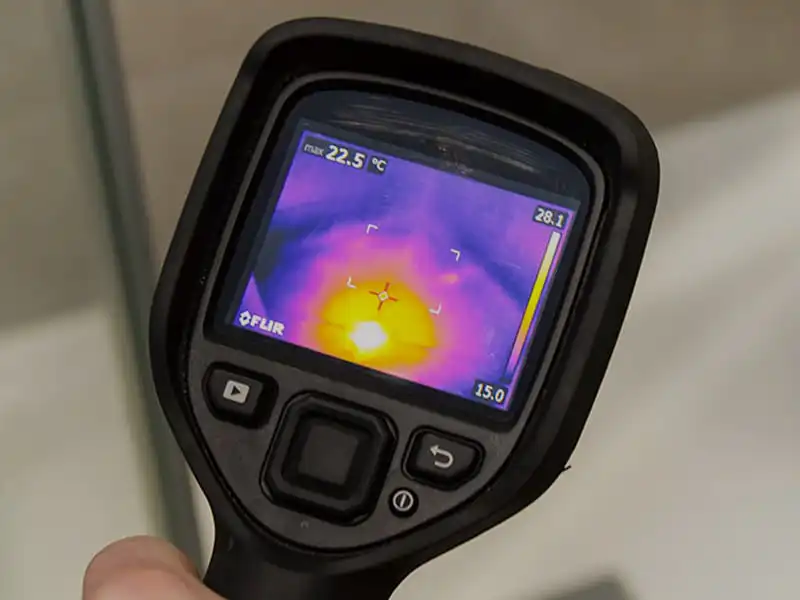
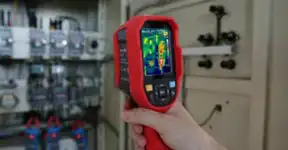
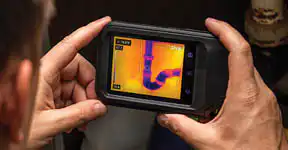
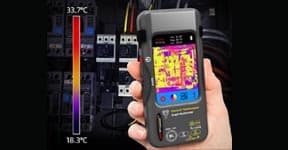
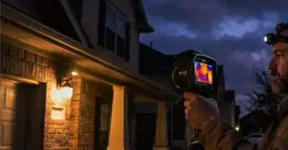
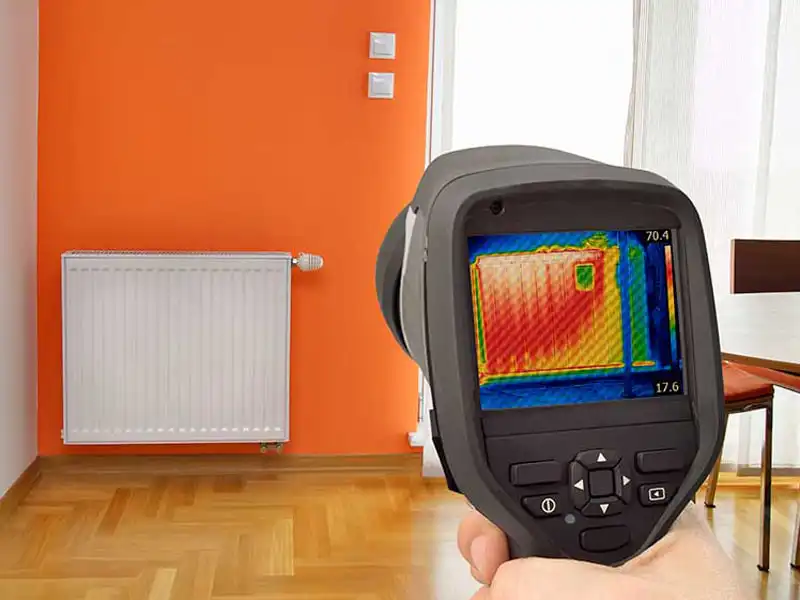
If you’ve used a Handheld Thermal Imager, you’ve probably noticed how it instantly converts invisible heat patterns into clear, detailed visuals — that smooth thermal gradient you see? It’s the result of thousands of precise calculations per second.
2. High-Precision Optics
Ordinary glass can’t transmit infrared radiation, which means thermal cameras need lenses made from special materials like germanium or chalcogenide glass.
These materials are rare and challenging to shape — a single germanium lens can cost several times more than a standard optical lens. Yet, it’s these lenses that allow thermal cameras to focus heat signatures accurately, even at long distances or in total darkness.
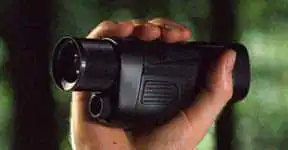
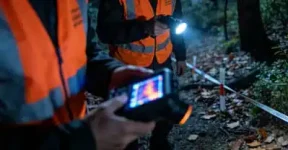
Devices such as the Thermal Imaging Monoculars rely heavily on this technology. Whether used for outdoor observation or professional inspection, they need lenses that perform consistently across varying environments — from freezing nights to scorching sunlight.
3. Powerful Processing & Calibration
Thermal data isn’t just captured; it’s calculated. Each pixel on a thermal sensor produces a temperature reading that must be processed, corrected, and mapped into color or grayscale.
To ensure accuracy, manufacturers run every unit through multiple stages of non-uniformity correction (NUC) and temperature calibration. This process takes time, resources, and high-end algorithms — especially for professional-grade devices that must deliver precise readings in real-world conditions.
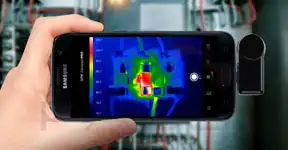
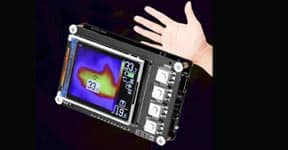
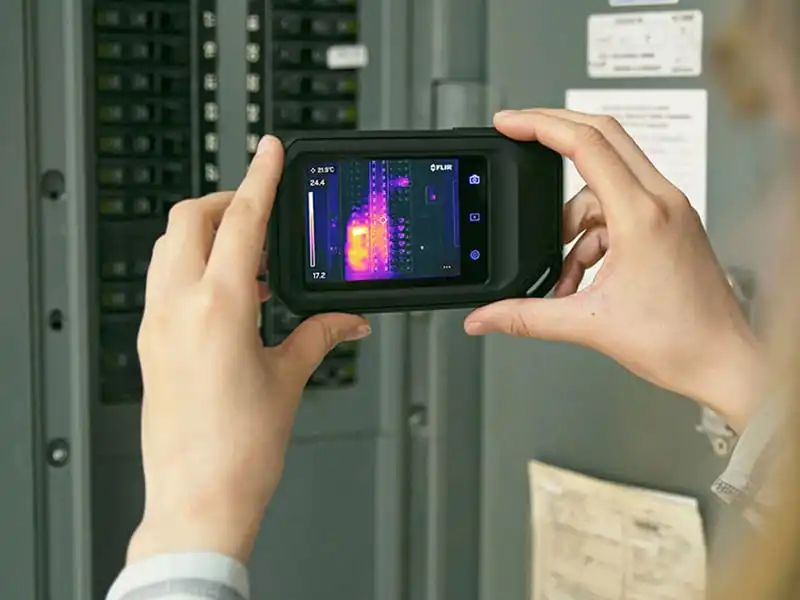
Some compact models, like Pocket Thermal Cameras, use miniaturized processors to achieve similar results on a smaller scale — blending performance with portability. Shrinking such powerful systems into a pocket-size device takes significant R&D, which naturally adds to the overall cost.
4. Durability and Engineering
Thermal cameras are often used in extreme conditions — from construction sites to outdoor expeditions. They must survive drops, water, dust, and temperature swings, all while keeping their delicate internal components stable.
The rugged casings, waterproof sealing, and shock-resistant builds aren’t just marketing claims — they are critical engineering solutions that protect precision instruments inside. This level of durability isn’t cheap to design or produce.
5. Continuous Innovation
Like most advanced tech, thermal imaging is still evolving. Newer models offer higher resolutions, faster refresh rates, AI-enhanced detection, and wireless integration. These features don’t just make them more powerful — they also push research and development costs higher.
But it’s this constant improvement that keeps thermal technology moving forward — making it more accessible, accurate, and useful than ever before.
In Summary
Thermal imaging cameras aren’t expensive just because they can “see heat.” They’re complex systems built from rare materials, precision sensors, and advanced software that work seamlessly together. Whether you’re using a Handheld Thermal Imager, a Thermal Imaging Monocular, or a Pocket Thermal Camera, every component plays a part in transforming invisible energy into a detailed, useful image.
So, next time you look through a thermal camera and see the world glowing with temperature, remember — that clarity comes from years of engineering, craftsmanship, and innovation packed into one powerful device.